Leaderboard




Popular Content
Showing content with the highest reputation since 11/13/2025 in all areas
-
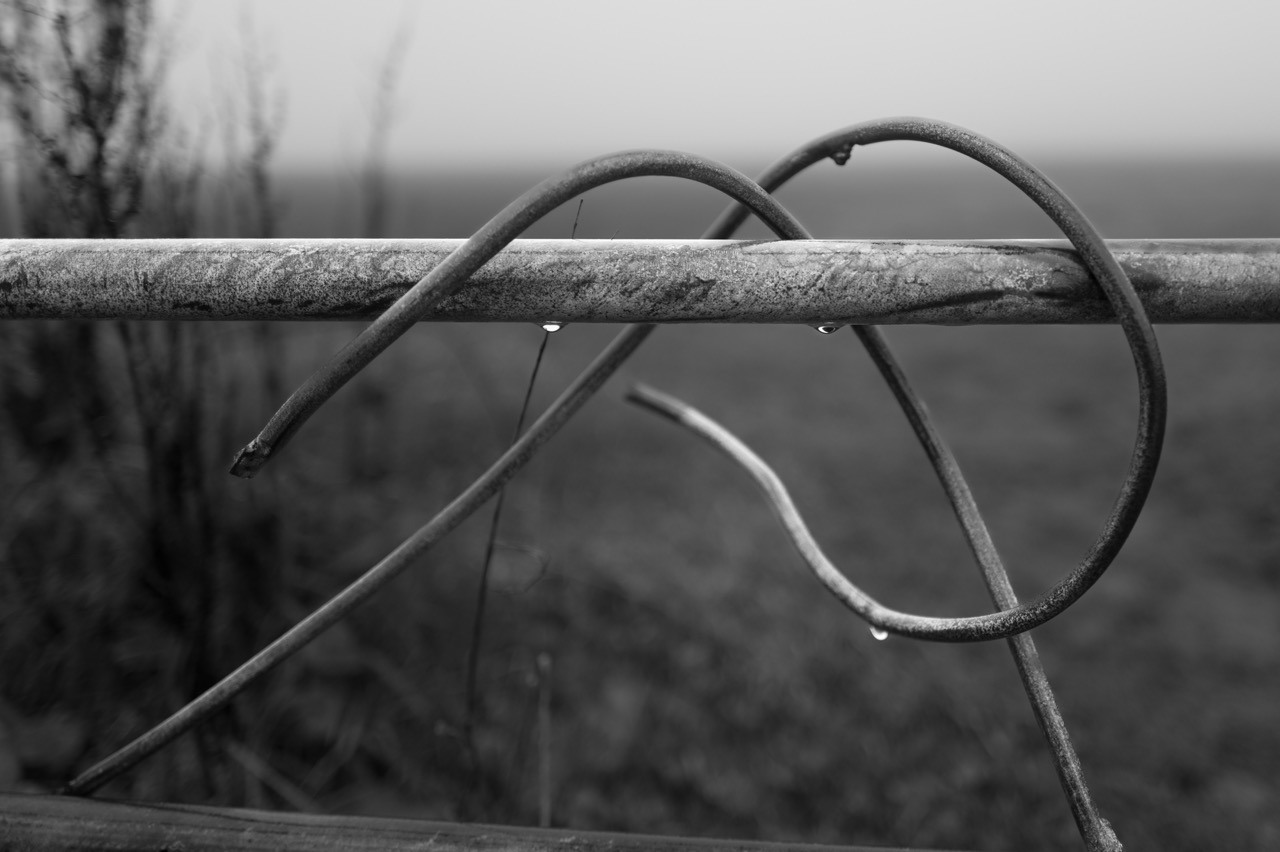
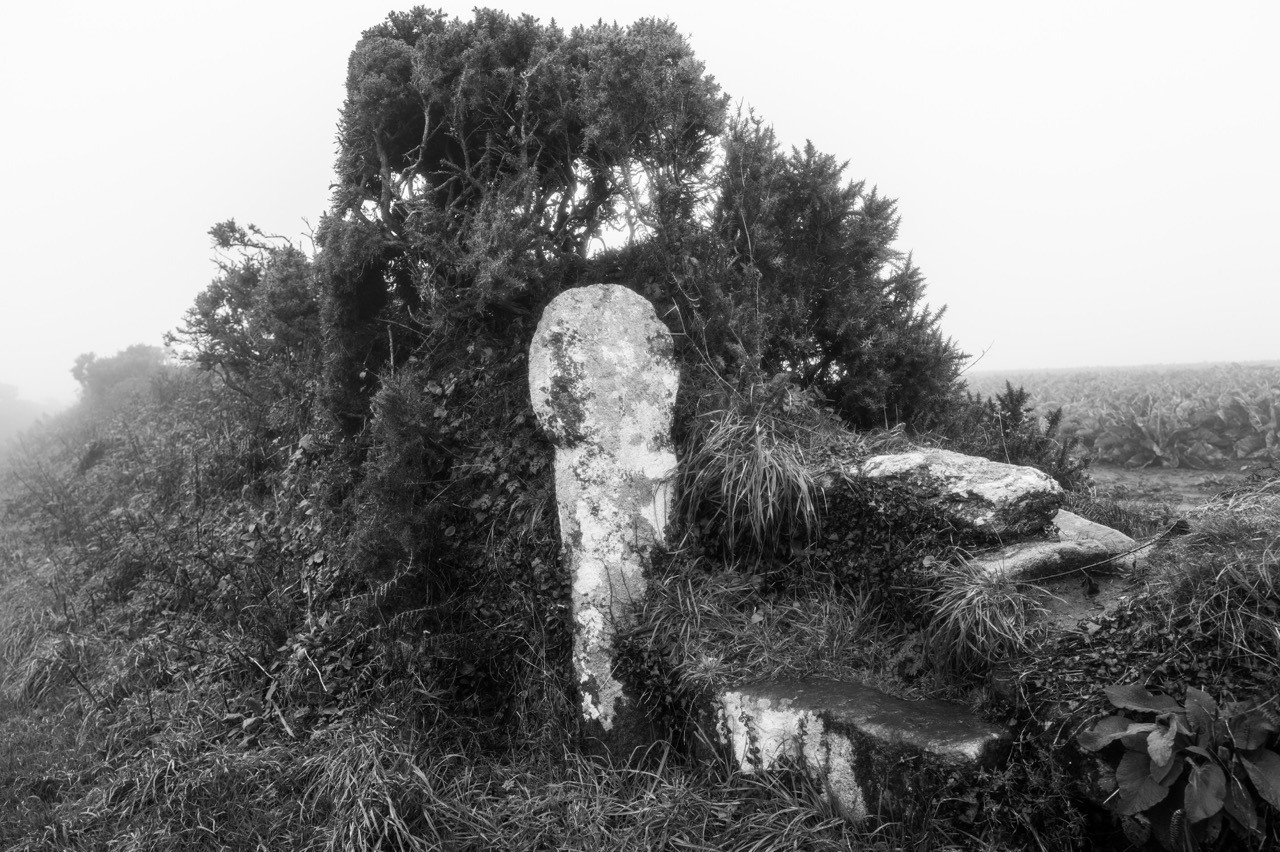
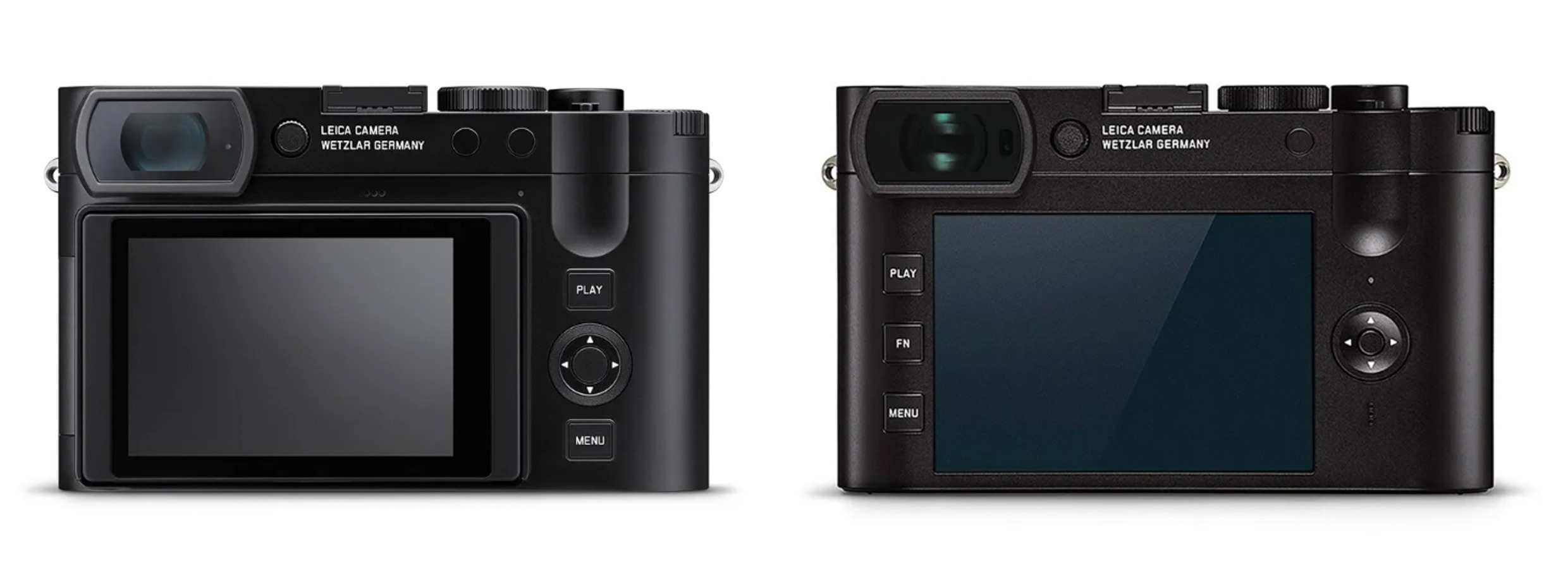
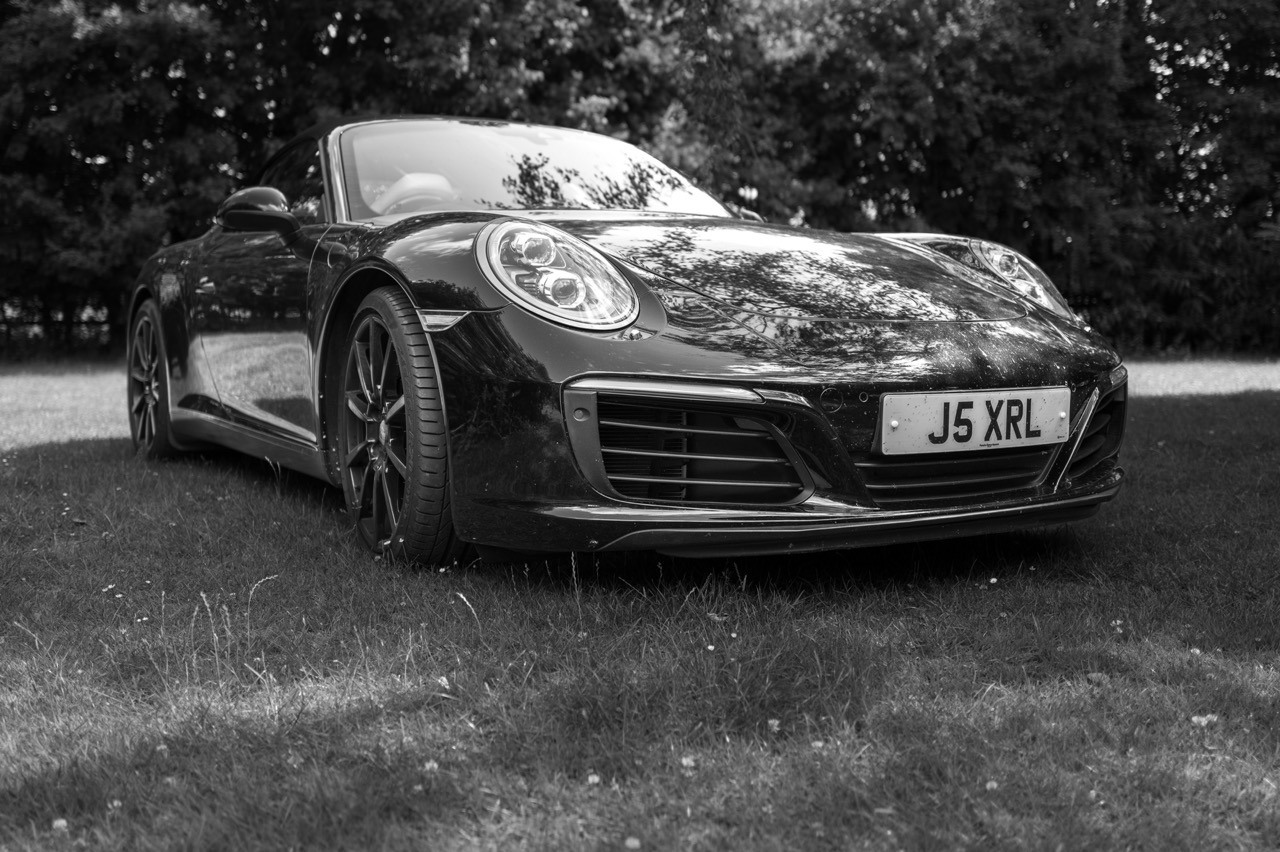
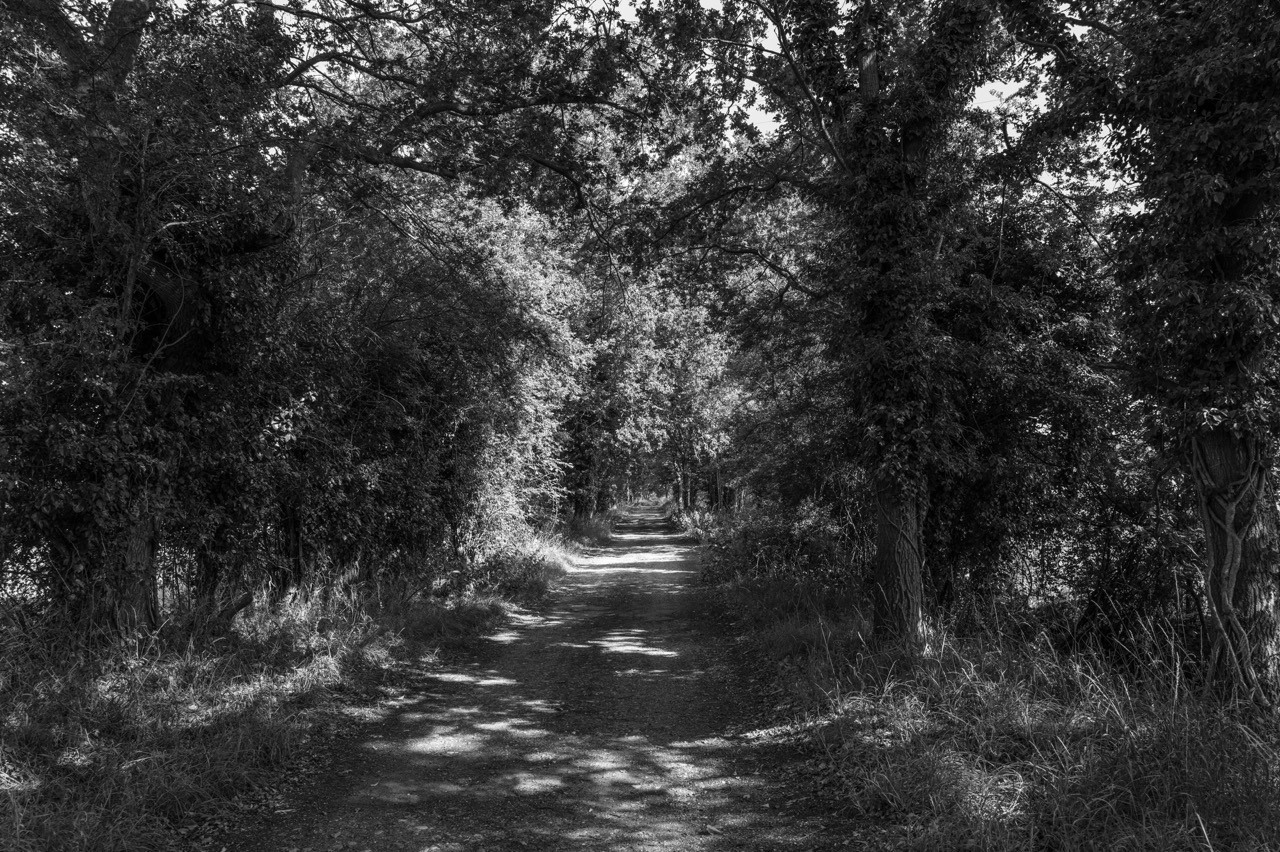
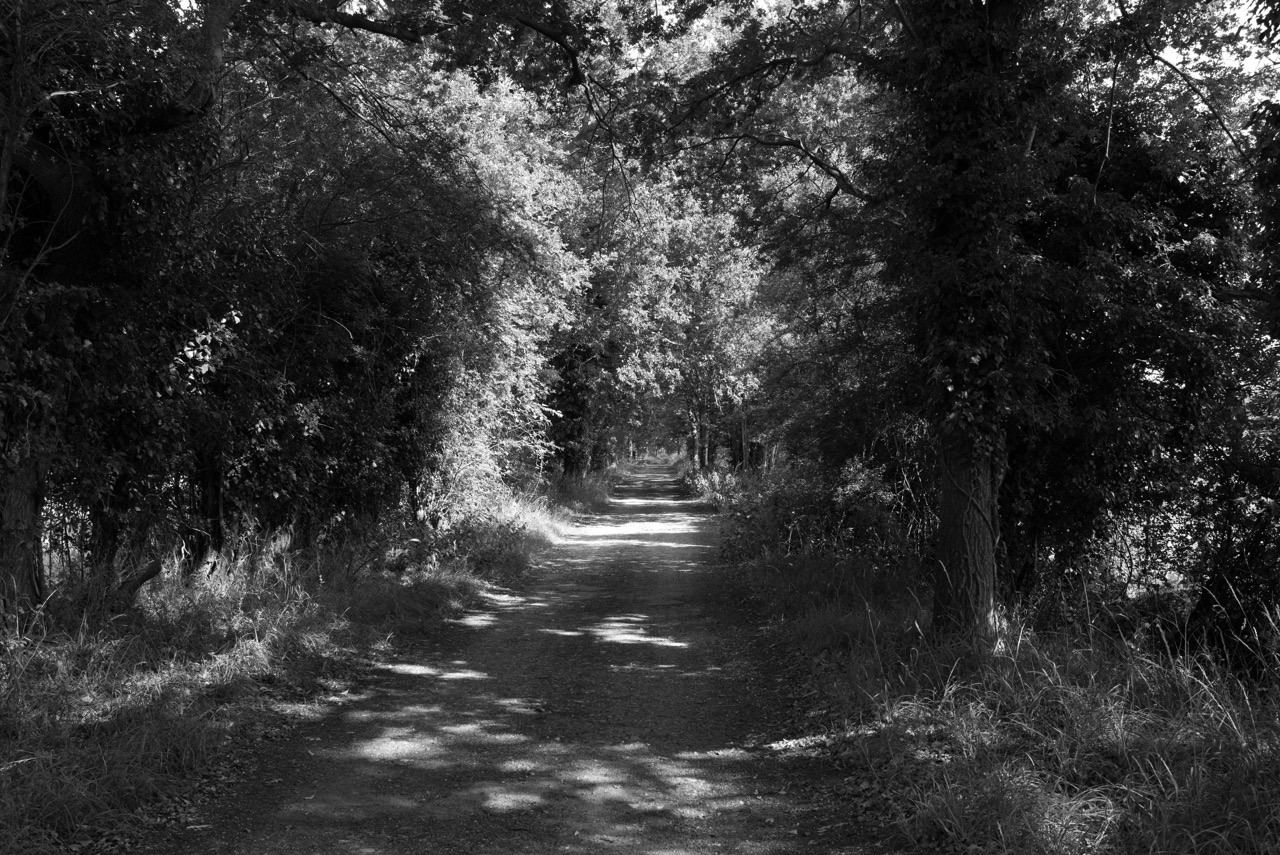
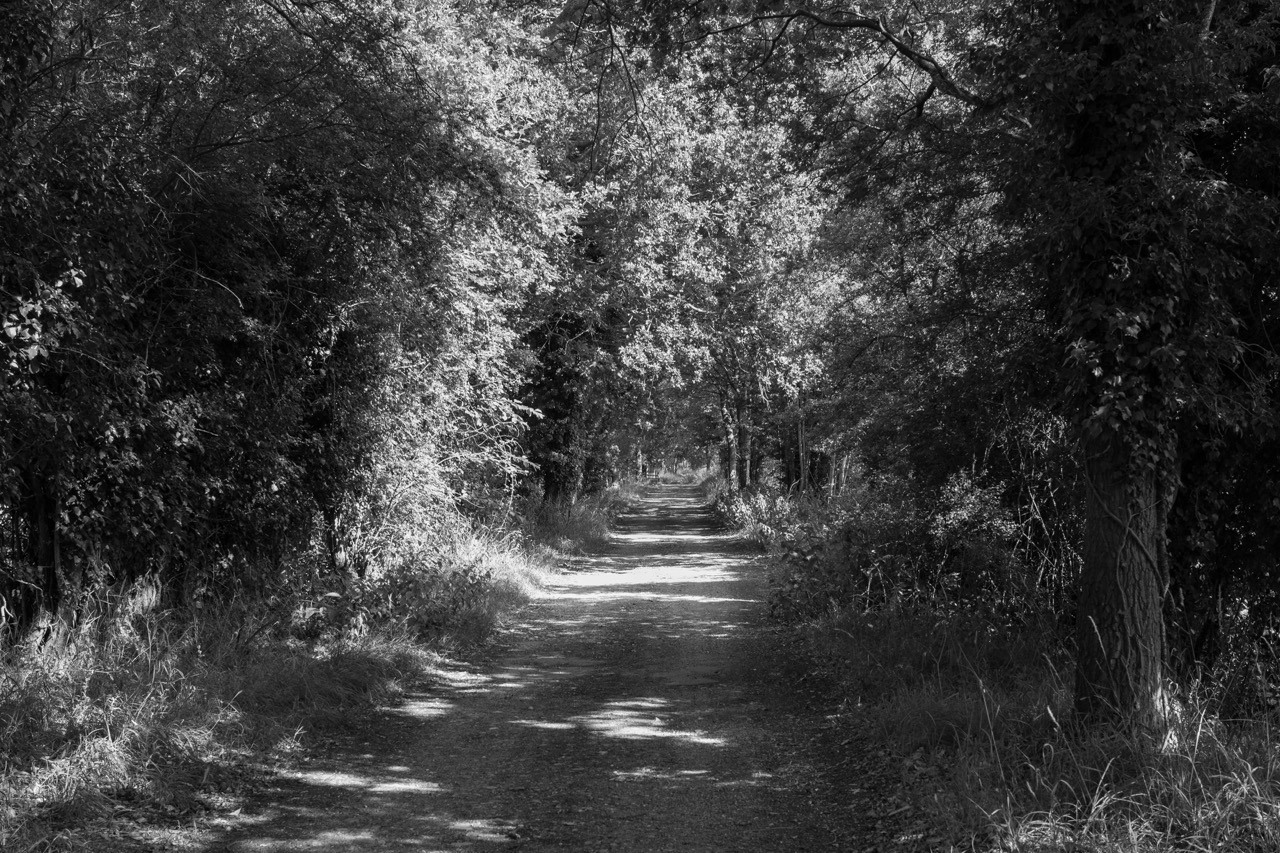
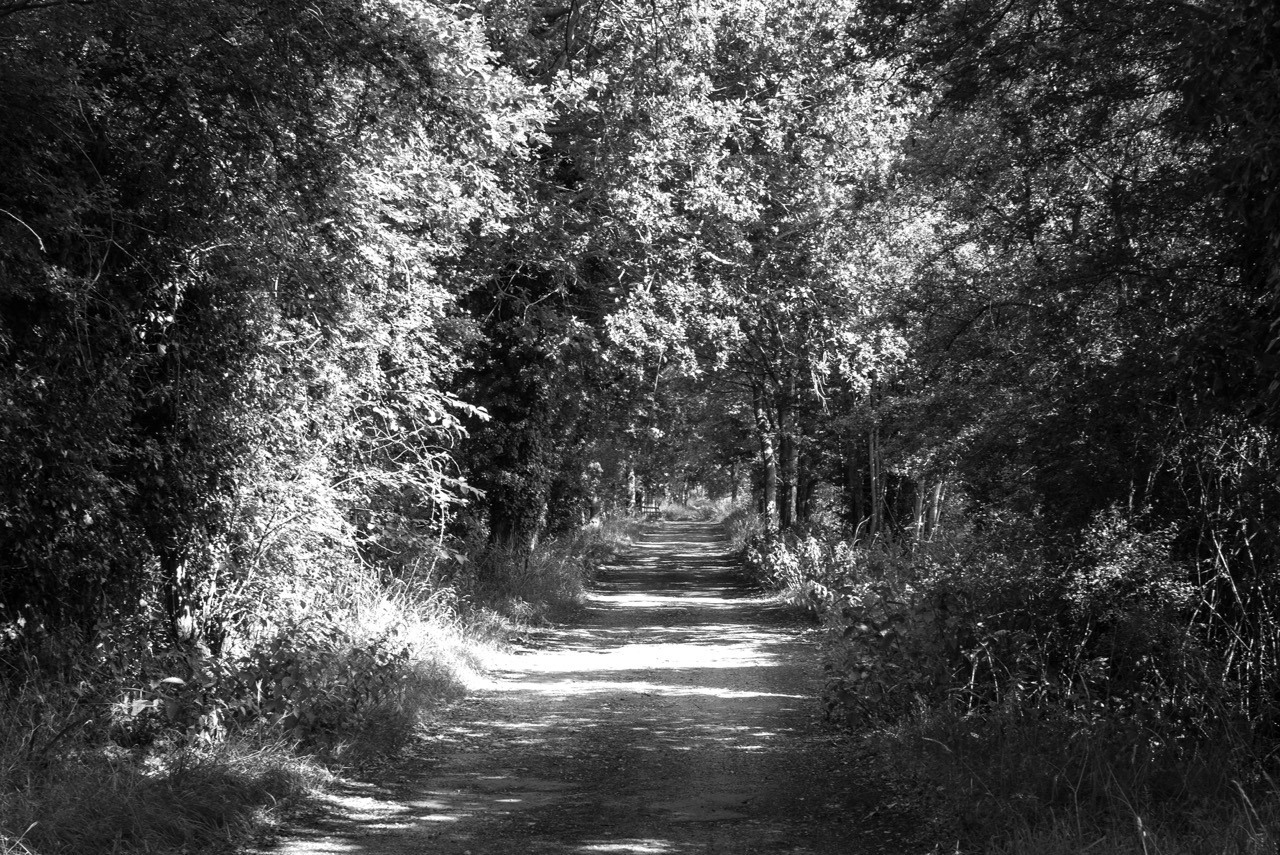
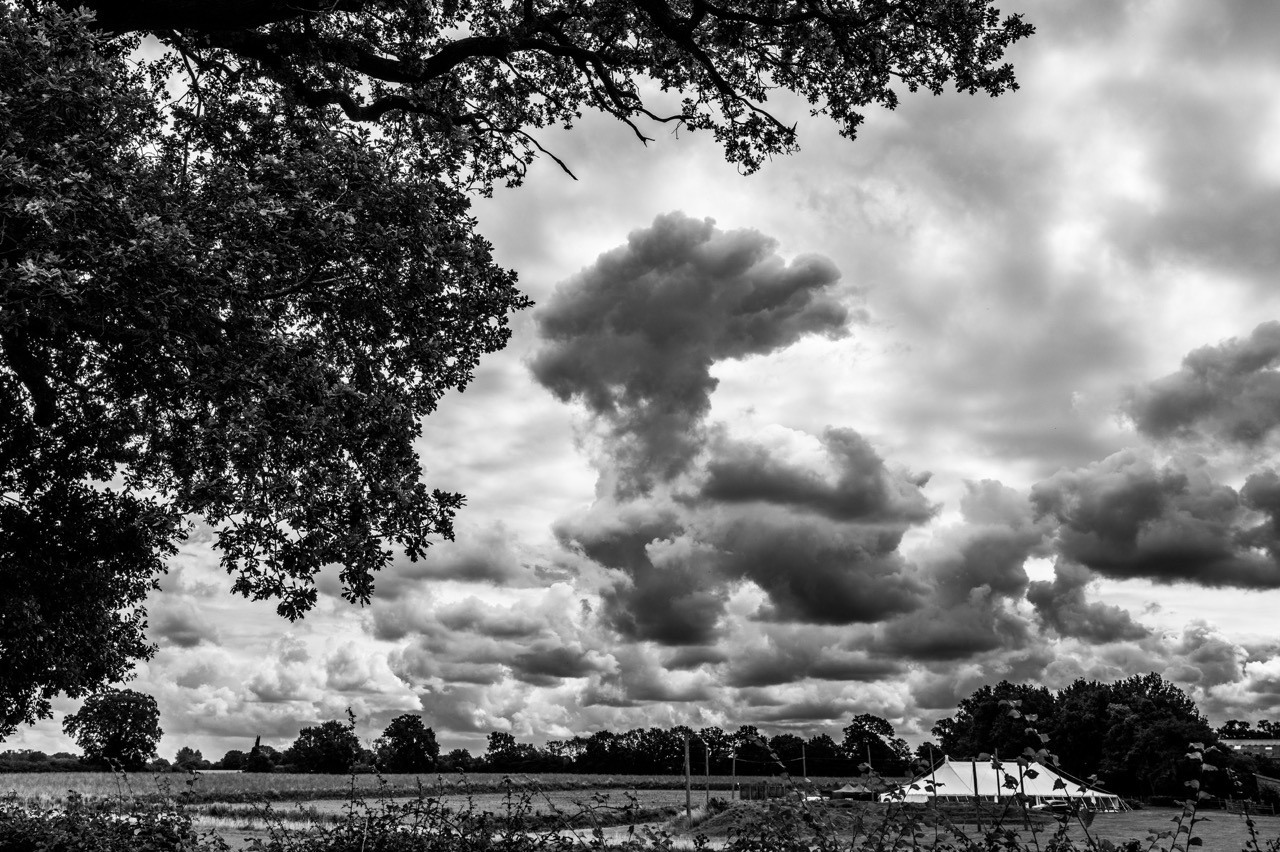
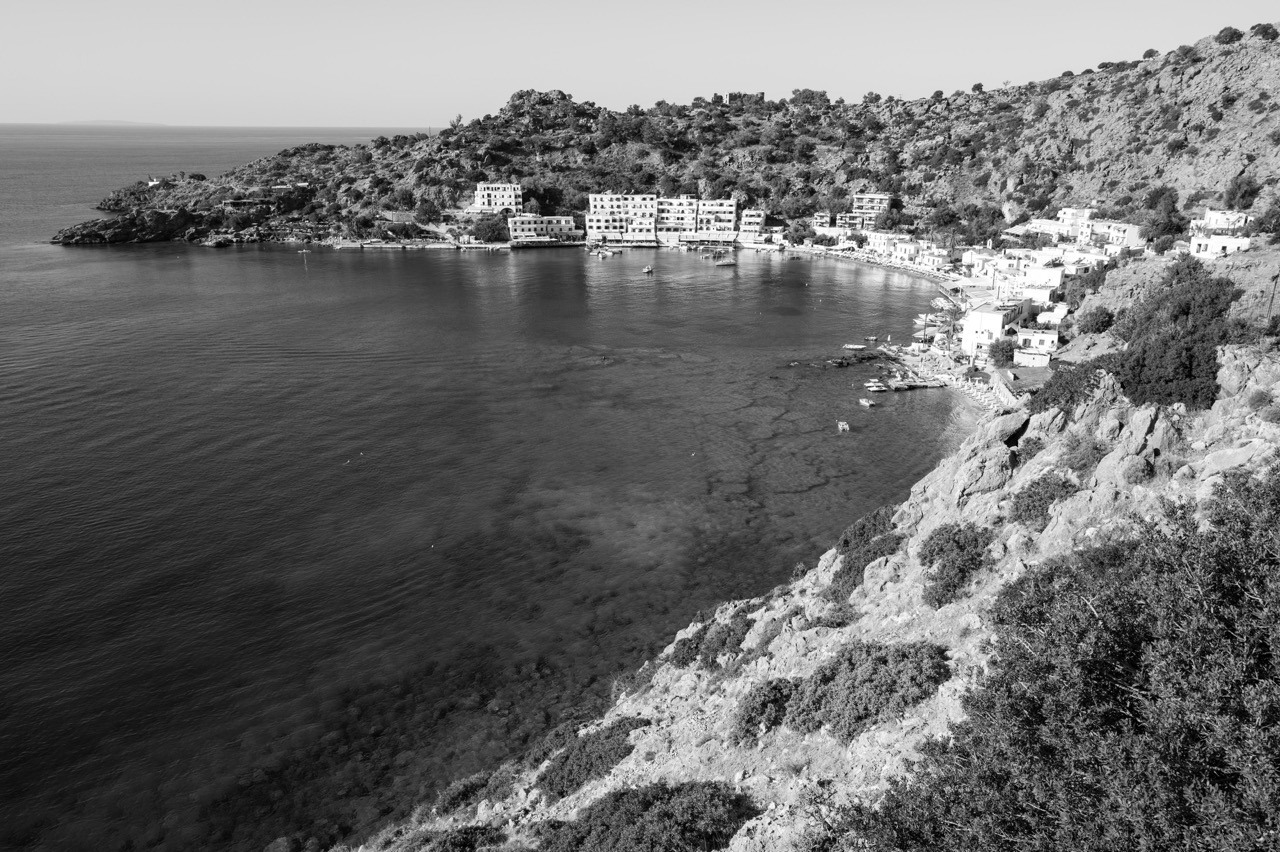
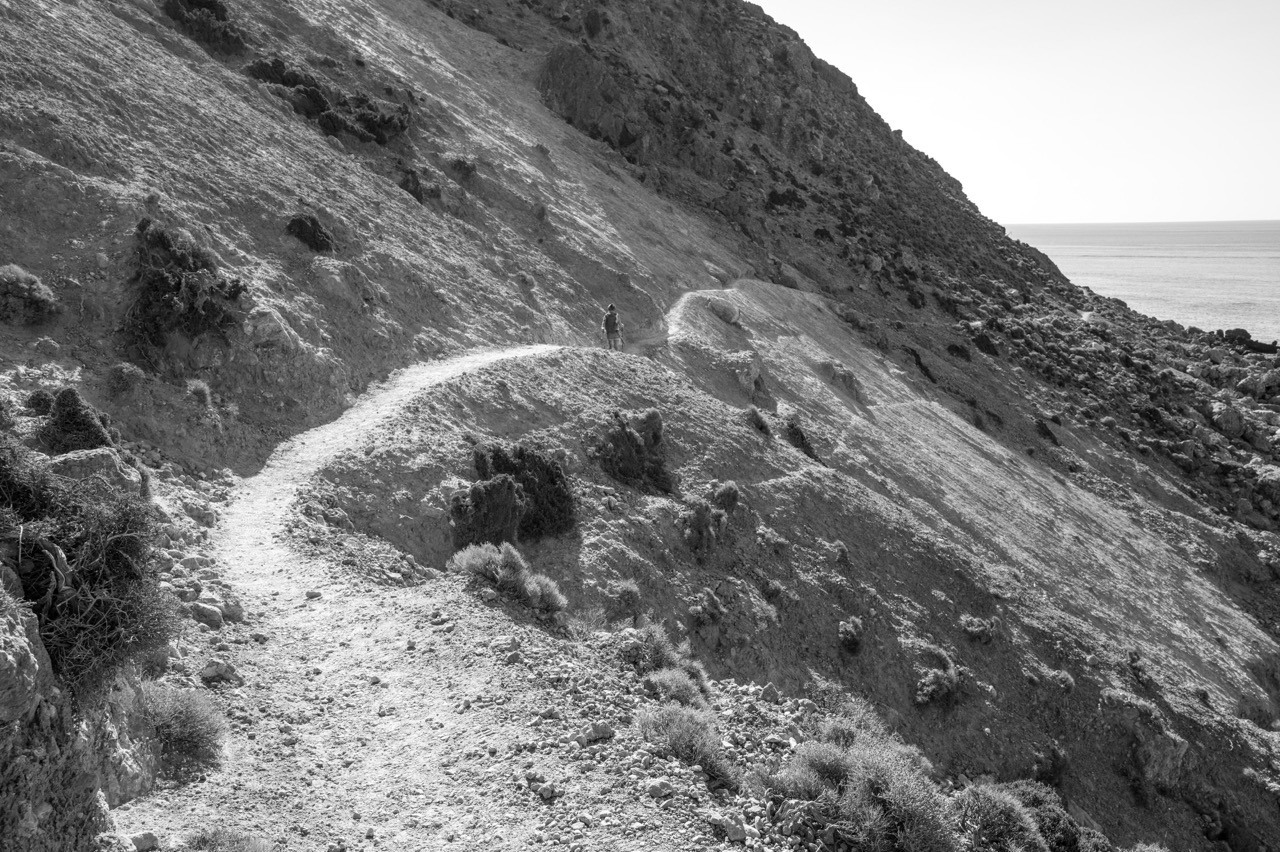
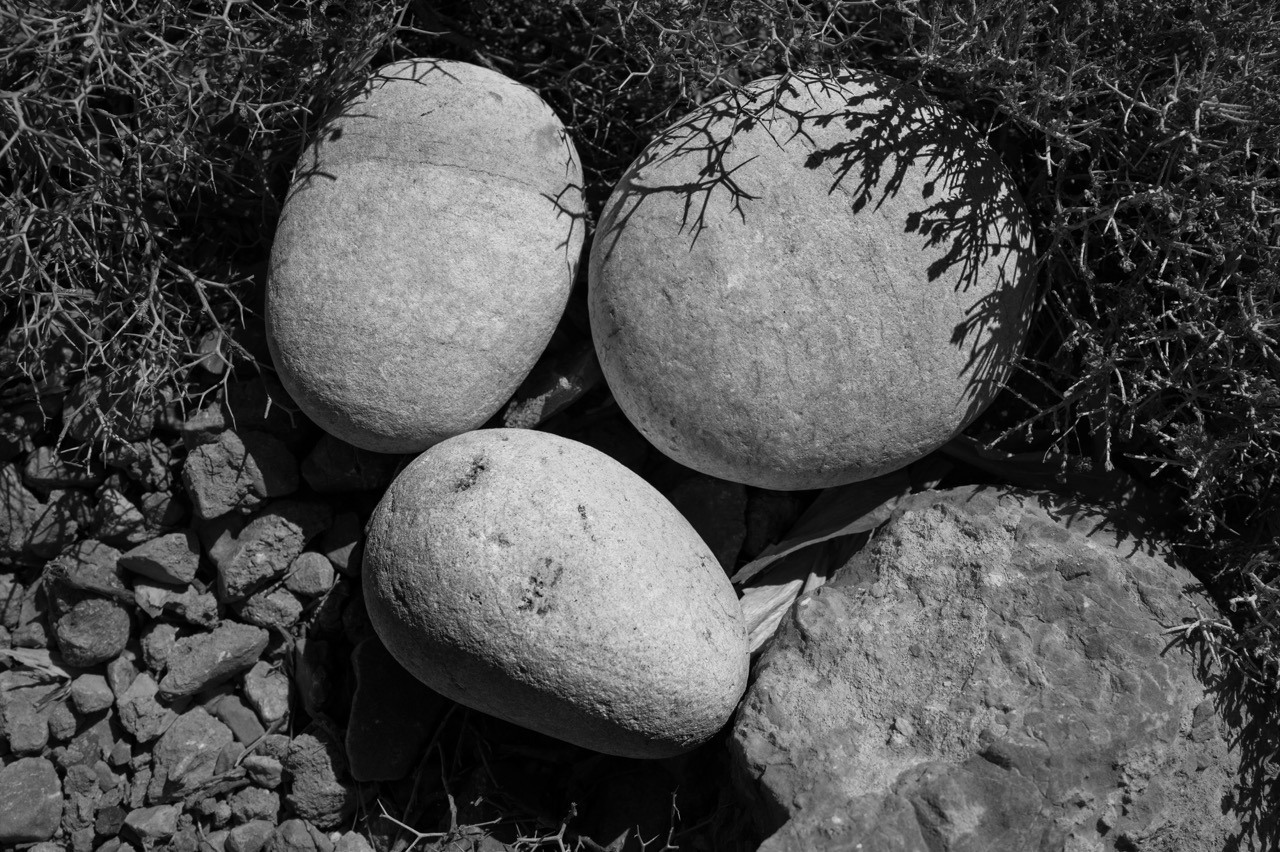
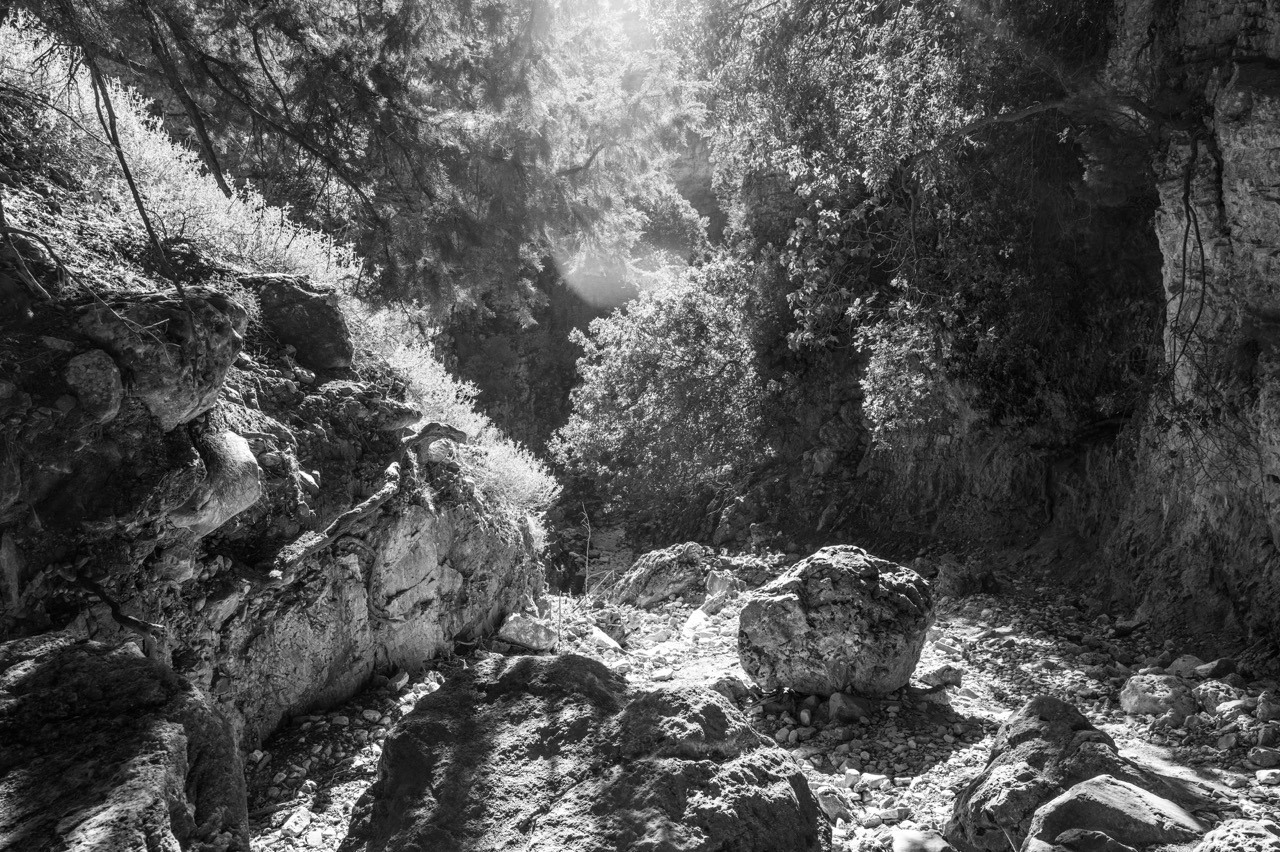
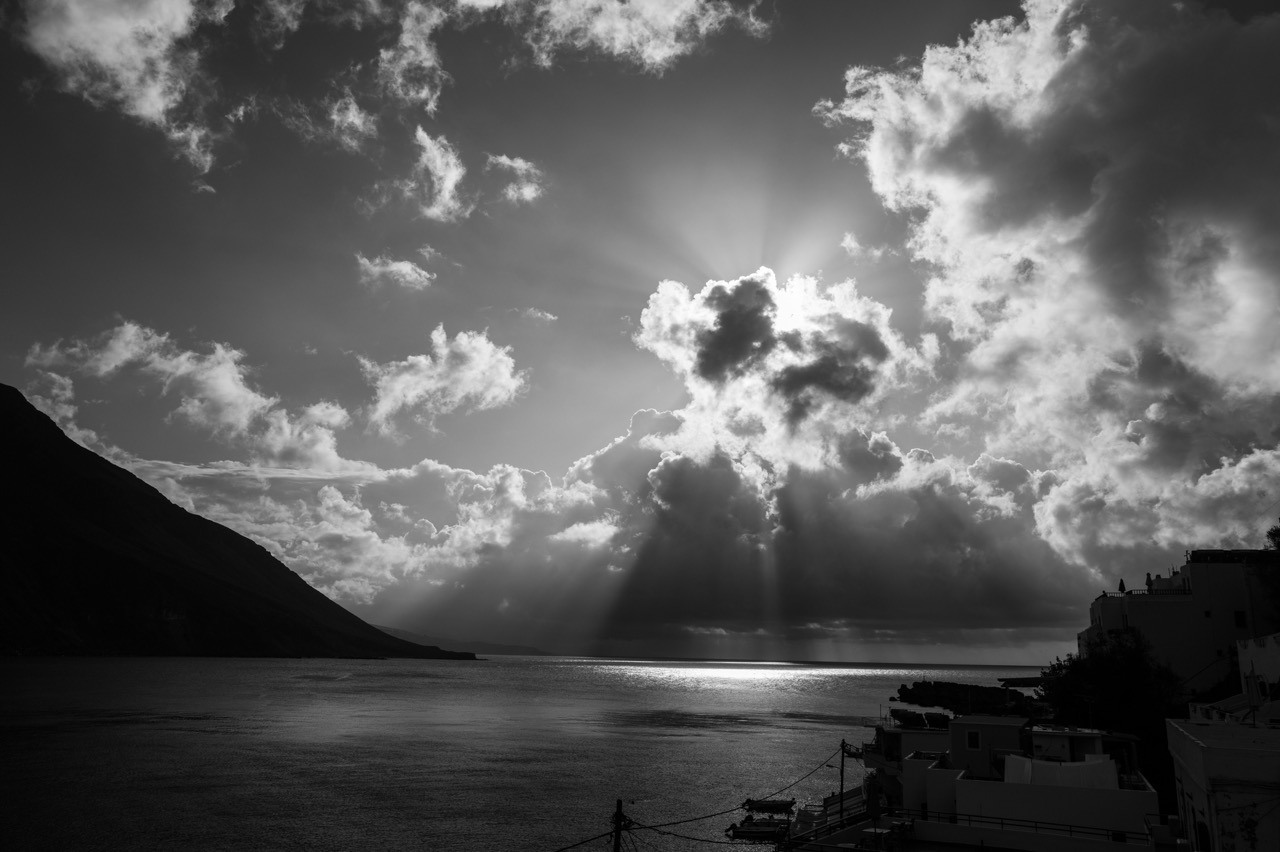
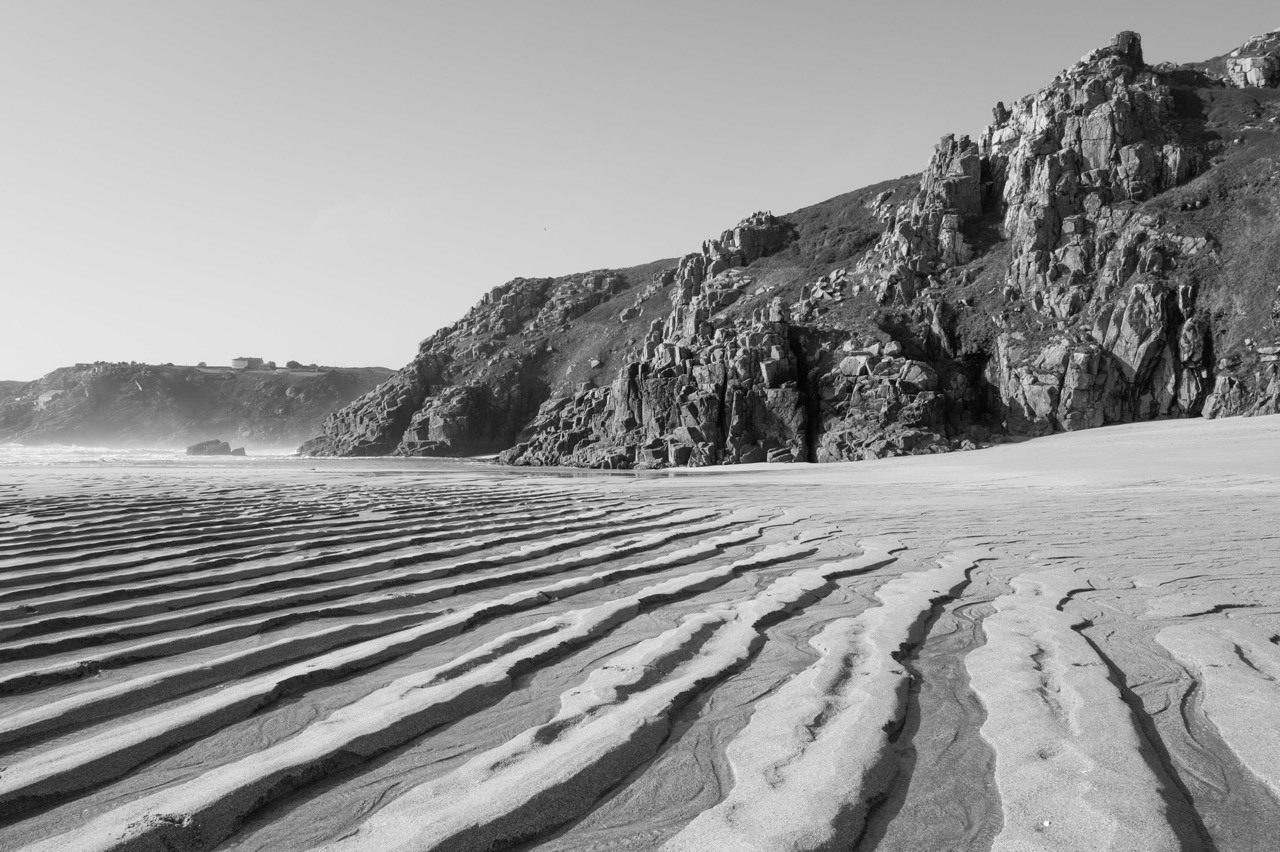
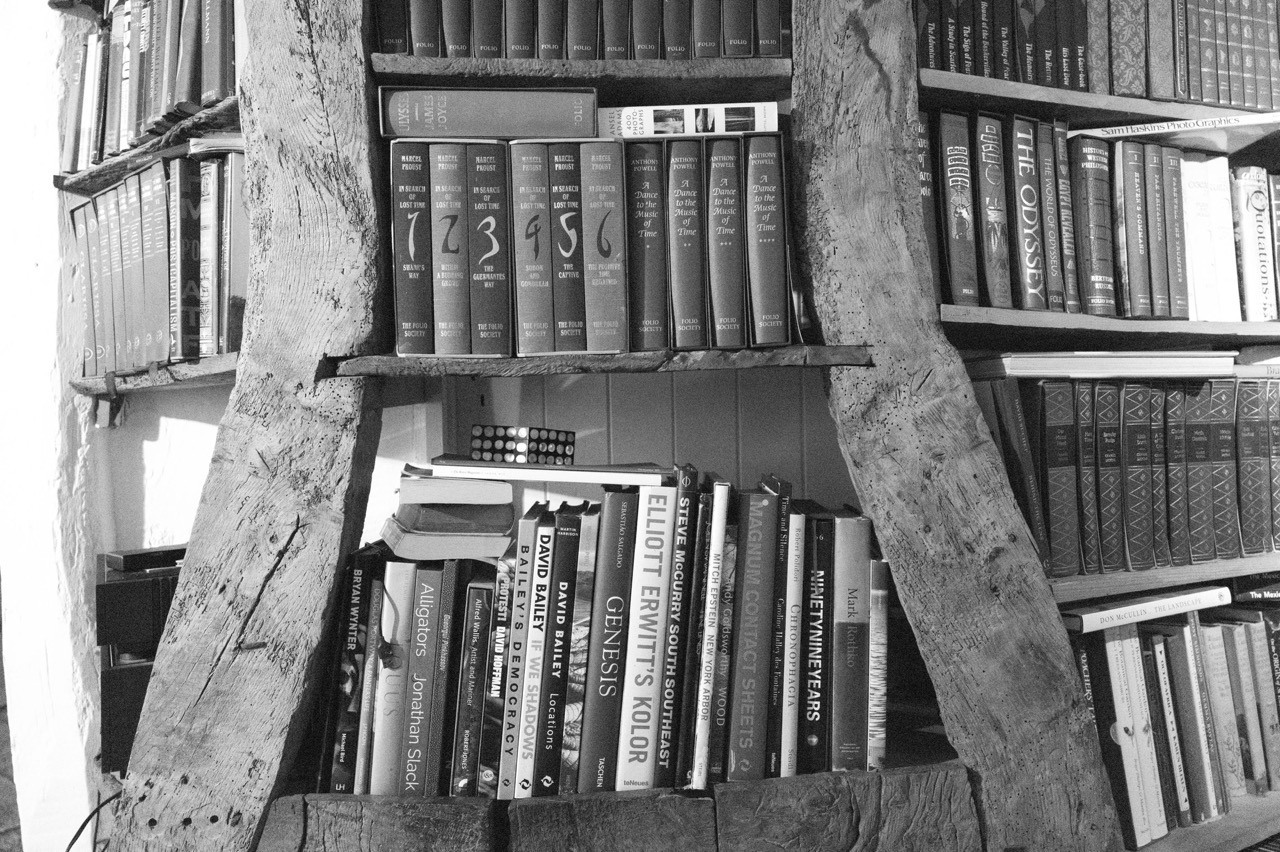
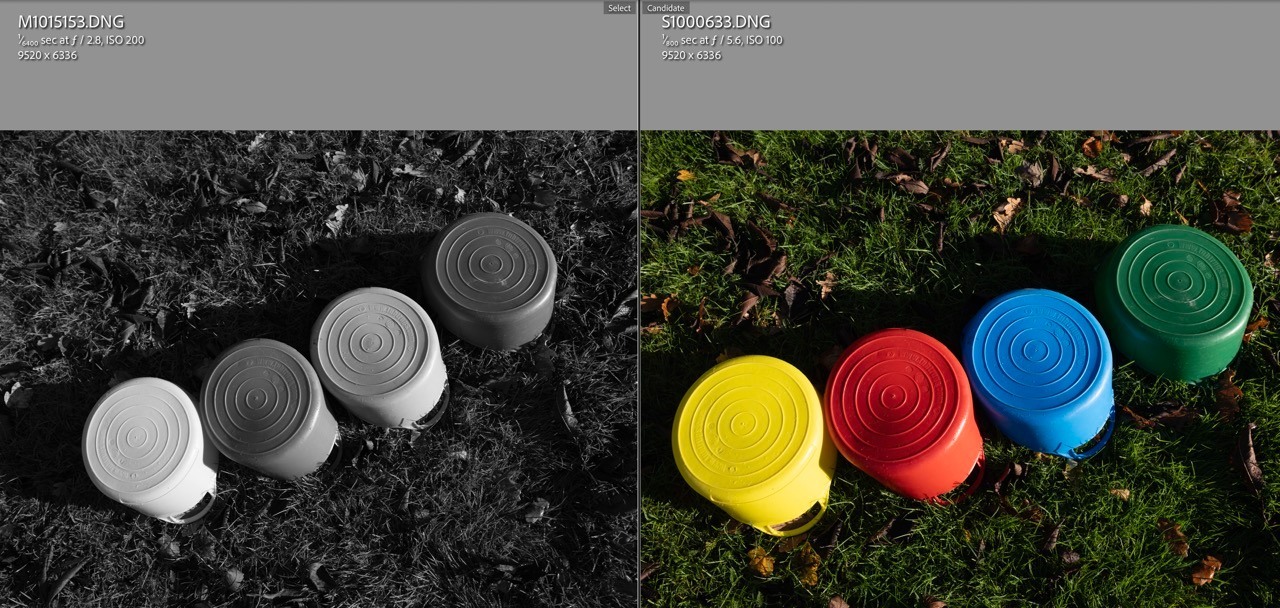
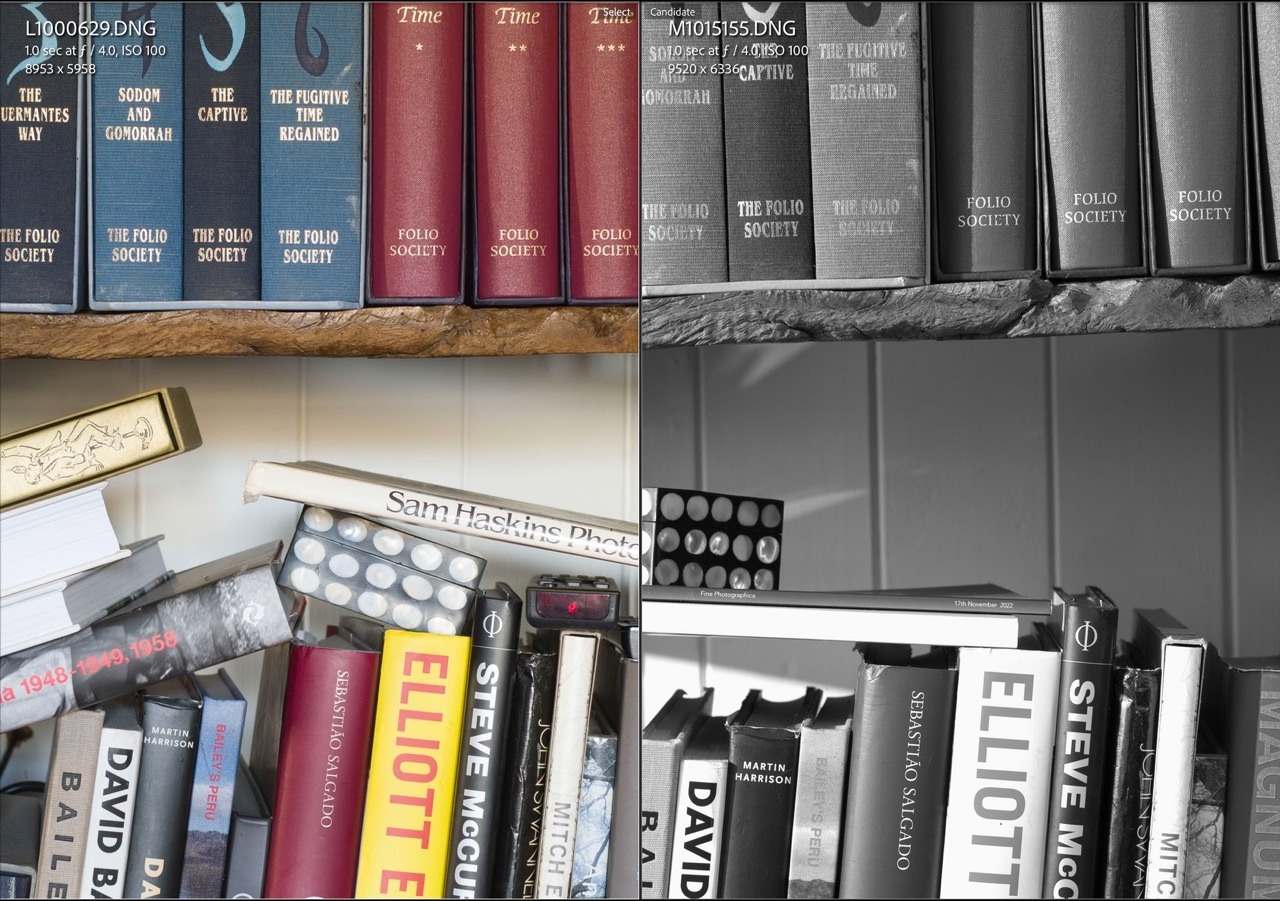
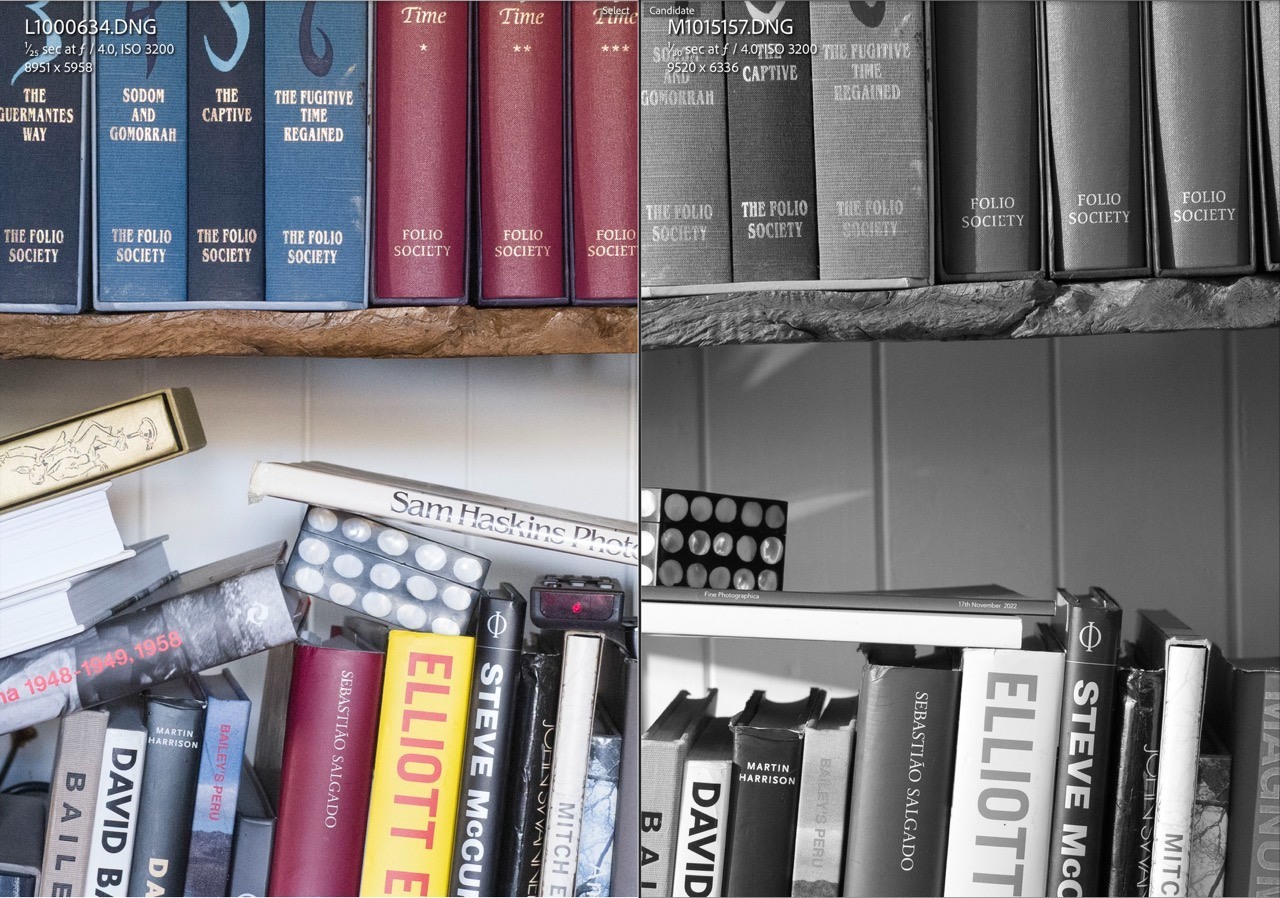
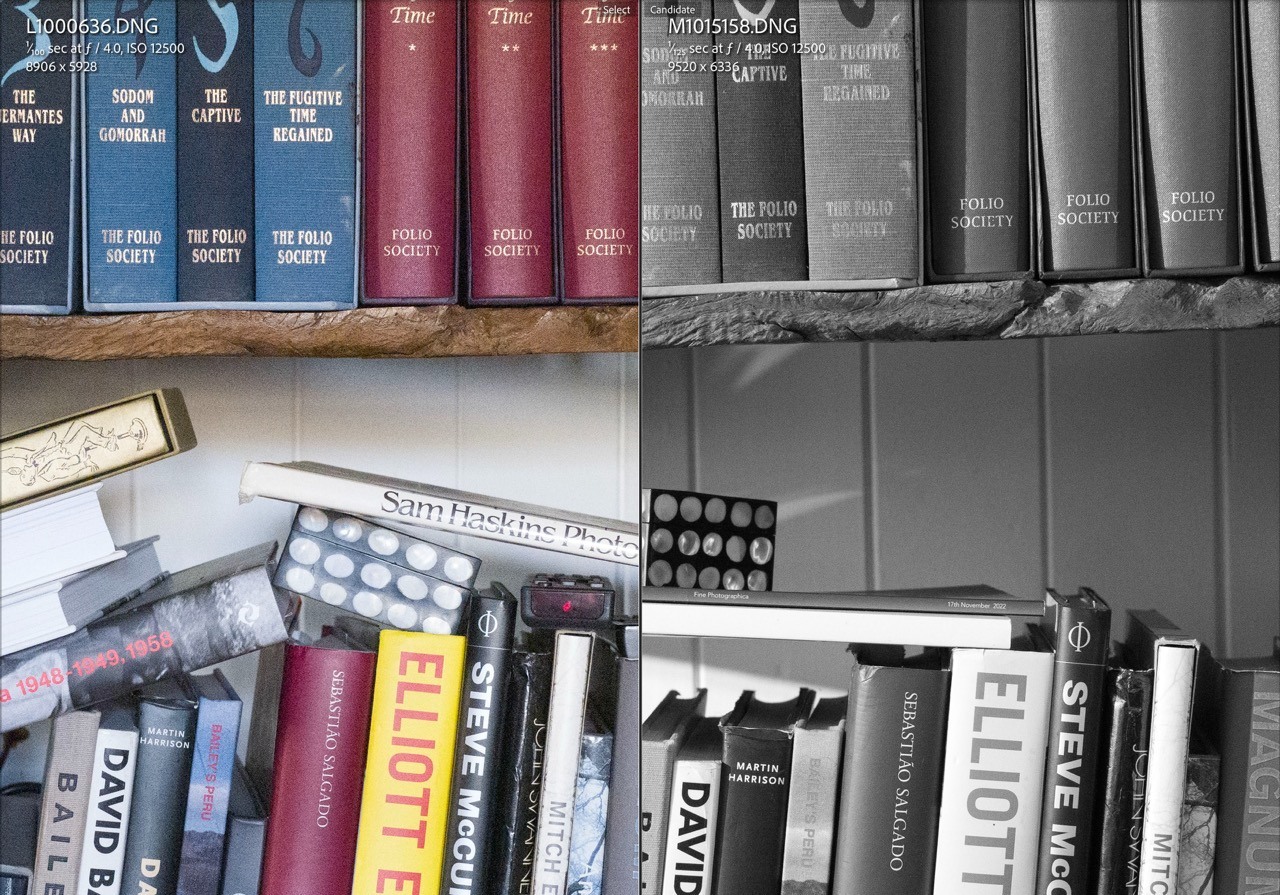
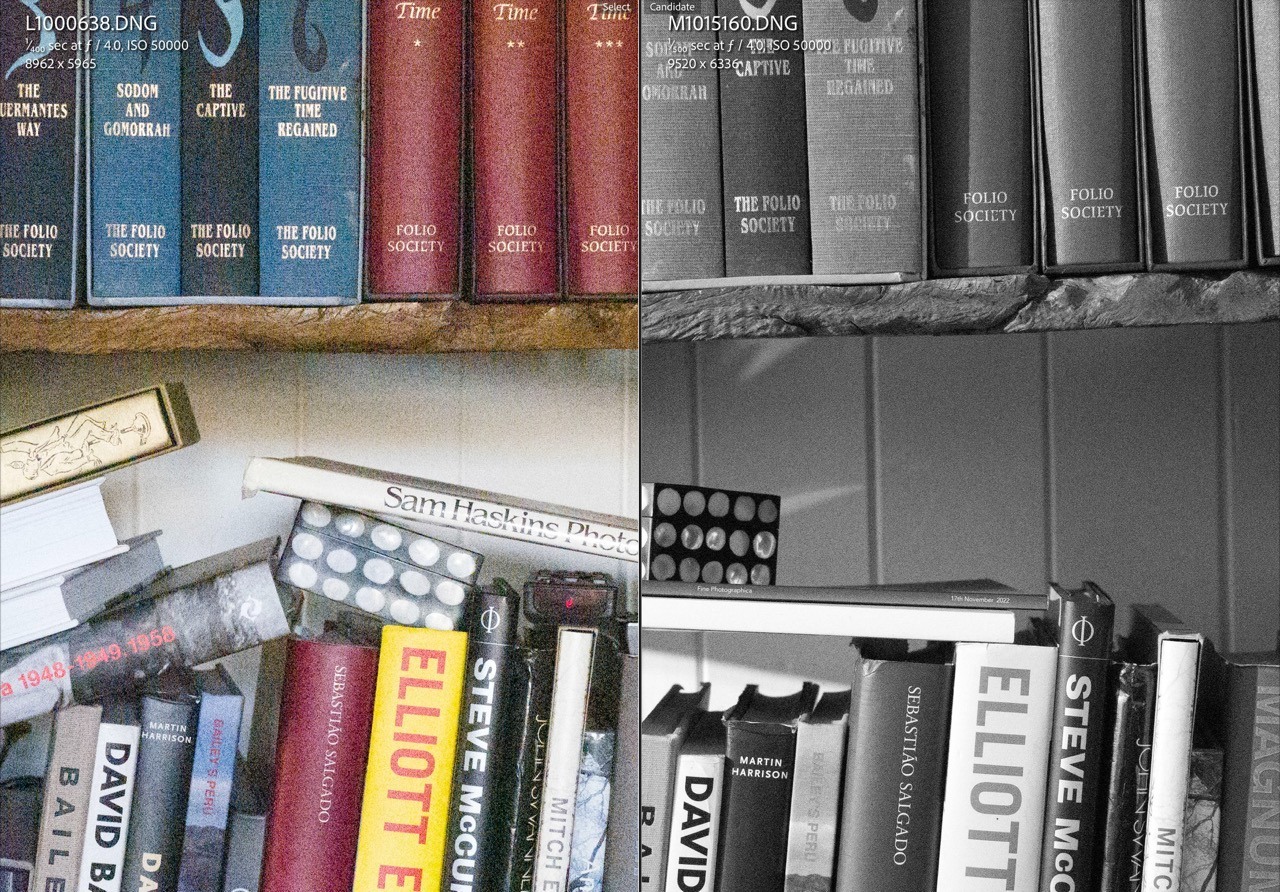
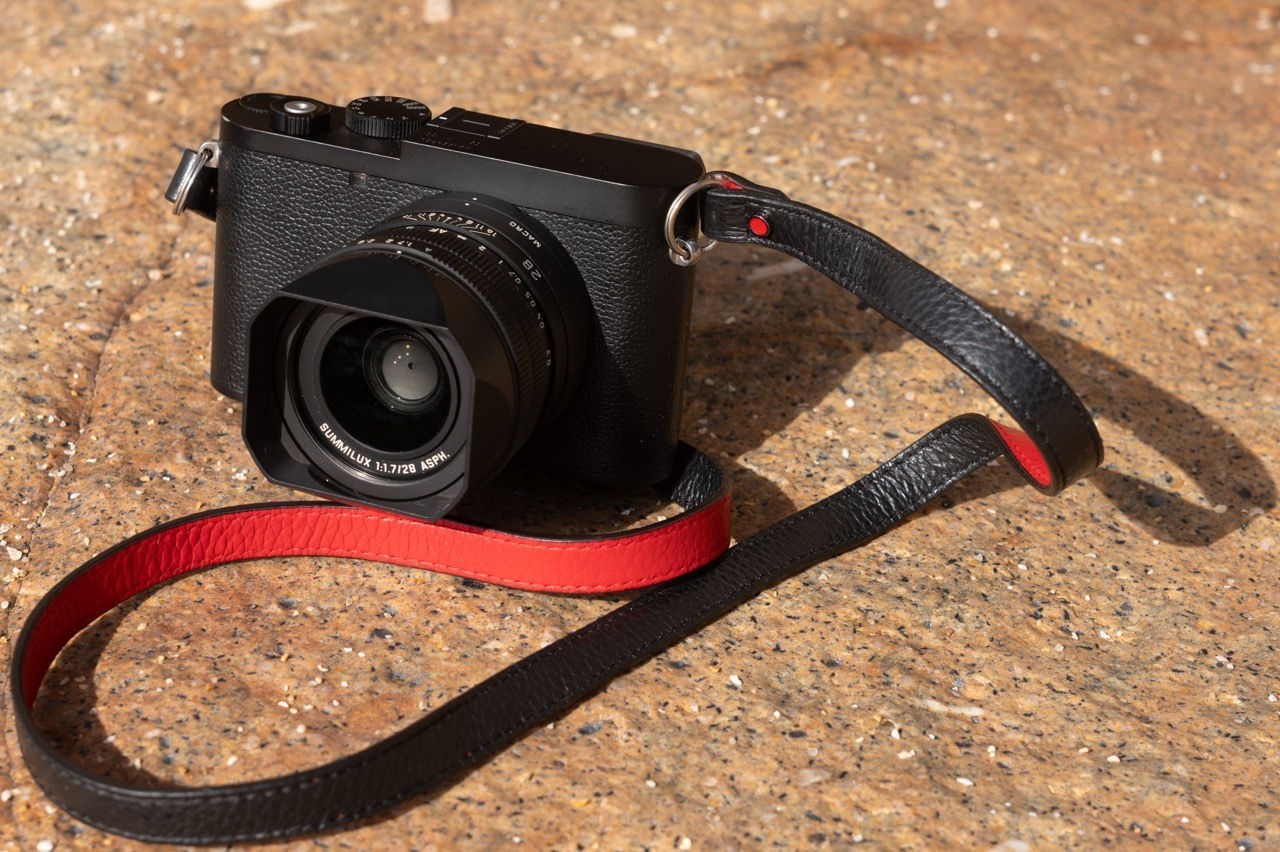
Leica Q3 Monochrom - A Jonathan Slack Review The Q system was a big risk for Leica. When they introduced the original Q in 2015, it was a time when most other manufacturers were abandoning ‘compact’ cameras. Fortunately for Leica it proved to be a phenomenal success, both critically, and in terms of sales. The original Q was succeeded by the Q2 four years later in March 2019 with a Monochrom version appearing 18 afterwards in November 2020. Of course there have also been a number of special editions over the years. Loutro Leica Q3M 1/400 f8 ISO 200 Four years after the Q2 launch the Q3 was released in May 2023, with a number of significant upgrades (more about that later). Having spent a lot of time saying that 28mm was the perfect focal length for such a camera, Leica finally cracked in September 2024 and bought out the Q3 43 with a wonderful new 43 mm lens (reflecting as closely as possible the focal length of the human eye). I have fallen head over heels in love with the Q3 43 and bought one for myself shortly after the launch. Brewing. Up a Cretan storm Leica Q3M 1/12000 f5 ISO 200 Changes from the Q2M New 60mp BSI Back Illuminated CMOS Sensor (similar to M11 Monochrom) USB-C and Mini HDMI connectors Tilting LCD Improved Bluetooth and WiFi Small, Medium and full sized DNG and/or JPG files 60,3, 36.5, 18.6 mp Reliable Geotagging in conjunction with Leica Fotos Rear Button Layout change Long exposures possible (with any combination of ISO and shutter speed) Long Exposure NR can be disabled. One additional function button (arguably!) USB-C Charging Optional Grip enabling WiFi charging Better resolution EVF 5,760,000 dots magnification 0.79 Better resolution Display 3" 1,843,200 dot Digital Zoom now has 28, 35, 50, 75 and 90mm framelines Leica Looks Brewing. Up a Suffolk storm Leica Q3M 1/6400 f5 ISO 200 I went into a lot of detail on these changes in my article on the Q3 when it first came out, I would refer you back to this, but in retrospect I’m a great deal more ‘onboard’ with what Leica are doing than I was then. In my defence, when I wrote about the Q3 I had not seen the SL3, and the incorporation of a tilting rear LCD and the shift of the buttons to the right of the display have been mirrored in the SL3. The Imbros Gorge Leica Q3M 1/200 f6.ISO 200 The SL3 demonstrates a much more advanced interface where all the functions in the quick screen can be customised, more than that they can be saved to individual user profiles. At first I was sad that this excellent new interface was not reflected in the Q3, but in fact the Q3M does have the same interface as the SL3. In the near future there will be a new firmware update for all the Q3 family (version 4) which will make it completely in line with the SL3 family (more about that later - but not in this article). Emma Leica Q3M 1/60 f3.5 ISO 1000 Fogou Leica Q3M 1/25 f1.7 ISO 12500 The Body The body is lovely - Leica have removed the red dot and all the writing on the camera is either grey or white., it certainly looks handsome. The tilting LCD has been very nicely implemented, so that if you pull out the LCD it immediately switches on and off again when you push it back. There is a new port on the left hand side of the camera (looking from the rear) housing a USB-C port and a mini HDMI port. This allows the camera to be charged via USB-C as well as fast access to your computer (via Mass Storage) or to Leica Fotos on your device. The Leica Q3M Leica SL3 28-70 Vario Elmarit Strap by Rock n Roll Straps - Century M @ 70mm 1/200 f8 ISO 100 The Rear button layout has been changed from the Q2 and Q2 M in the same way as it has for the Leica SL3, so that the 3 buttons on the left hand side of the body have been reduced to 2 buttons (just play and menu) and moved to the right hand side of the screen. There is a new function button at the top of the back plate which makes up for the lost one, and this has the added advantage of being able to be configured any way you want. Q3 (left Q2 (right) The Sensor The new sensor is fundamentally the same as the one in the M11 Monochrom and similar to those in the Q3 and the SL3 (but without the Bayer Filter.) The only downside of the new sensor is that it has a slower readout time than the one on the Q2, This will result in more of a ‘rolling shutter’ effect when using the electronic viewfinder, it also results in a slightly longer blackout time between shots when you fire quickly. For most people this will. be something they don't even notice, but for someone who shoots bursts of photos it might be an issue Leicas are not the only toys Leica Q3M 1/1600 f1.7 .ISO 200 The SL3 and the Q3 have Phase Detect points on the sensor which improves the auto-focus over the previous models. Generally speaking contrast detect is more accurate, but phase detect AF is directional, which makes it faster. On sensor PDAF Pixels do not have colour filters (even on colour sensors) but they are partly covered so that they only receive light from one direction. Cameras with a colour sensor use a Bayer filter and then a demosaicing algorithm which interpolates information to get colour. This demosaicing function can also interpolate data so that the PDAF pixels do not show up. Celtic Cross Leica Q3M 1/90 f3.5 .ISO 200 A monochrome sensor does not have a Bayer filter, and does not do any interpolation or demosaicing: each pixel on the sensor is directly represented on the image. The result of this is that if there were PDAF points on the monochrome sensor you would be able to see them (or the pattern they made) in the final image. Of course the Monochrom cameras do have a defect pixel map and you might think that you could simply add the PDAF points to this, but there is a problem with the amount of memory allocated to defect pixels (not so many) whereas there is a relatively much larger number of PDAF points). Celtic Mist Leica Q3M 1/160 f1.7 .ISO 200 Of course, like everything, this could be done - but it would require new algorithms and possibly hardware changes which would be time consuming and therefore expensive. More to the point, in many situations the Q3 relies more on contrast detect, which is more accurate, so, despite concentrating very hard I didn’t find any slowdown in the AF on the Q3M vs my Q3 43. New Algorithms Leica Q3M 1/125 f1.7 .ISO 200 Image Quality With a colour camera and it’s Bayer filter groups of 4 pixels are demosaiced and interpolated creating 4 colour pixels. So, theoretically you might think that a Monochrom sensor without a Bayer filter, and where each pixel is represented by itself would have 4 times the resolution. This isn’t actually the case, because the colour demosaicing algorithm really is very good these days, but still the actual resolution on the Q3M (and the M11 M) is a noticeable step up from the colour versions of the same sensor Heading for the Sea Leica Q3M 1/320 f5.6 .ISO 200 With Monochrome sensors, despite an even more extended dynamic range, you can’t recover highlight information so easily, so it’s important to make sure you don’t over-expose. This is because when recovering ‘blown' highlights in a colour image you can utilise colour information in different channels. But with a monochrome sensor there is only luminance. Heading for the Beach Leica Q3M 1/200 f9 .ISO 200 Low Light Quality When I was testing the Q2 M in 2020 I was very impressed with the high ISO performance, later on, when the Q3 came out I did more tests. Sadly I no longer have the Q2 Monochrom or the Q3 (inexcusably Leica want their cameras back! ). But I do have the test images, which were mostly taken in our dark living room in poor light (which shows up the worst problems). So I took the same pictures with the Q3M (some of the books had been moved, but clearly not enough of them!). I was actually really surprised by just how much better the high ISO is compared to the standard Q3 - it feels like nearly 2 stops. ISO 100 ISO 3,200 ISO 12,500 ISO 50,000 I think what really says it all is this shot at 200,000 ISO, - there is no visible banding, the grain looks natural and good, and even at 100% there is bags of detail. Of course you could also use modern tools to get rid of the grain if you wanted to. In practical terms this is perhaps even more awe inspiring - the image at 100 ISO and f4 was a 1 second exposure, whereas the one at 200,000 ISO, is 1/2000 of a second at f4, this is a dark room, and still one has huge headway in terms of shutter speed or exposure. The Serpentine Bookcase Leica Q3M 1/2000 f4 .ISO 200,000 100% crop of above image Leica Q3M 1/2000 f4 .ISO 200,000 The Spectral Response I dealt with this in some detail in my review of the M11 Monochrom. I also dug out Emma’s RGB Buckets (and yellow) to have a look with the Q3M. It seems to me that the response is pretty much the same as the M11M with a rather bright blue. I checked this with Leica and they said that whilst the sensor is the same, the image pipeline is different, so they couldn’t guarantee there wouldn't be some slight difference. Of course you can change this in the traditional way with filters to suit your requirements. Content Credentials Leica has partnered with the Content Authenticity Initiative and the Q3 M is the first of the Q cameras to have this standard integrated into the camera. This is hardware related, so it can’t be added later with a firmware upgrade. The Leica M11-P was the first camera to have Content Credentials, which adds a digital signature to each image. Baby Parasol Leica Q3M 1/640 f5 .ISO 200 The Content Authenticity Initiative (CAI) is an association founded in November 2019 by Adobe, the New York Times, Twitter and others with the intention of curbing disinformation. The idea is to promote an industry standard for provenance metadata for files defined by the C2PA and for promotion of the standard. Concentration Leica Q3M 1/4000 f1.7 .ISO 200 Anthropomorphism Leica Q3M 1/6400 f1.7 .ISO 200 The C2Pa is the Coalition for Content Provenance and Authenticity, co-founded by Adobe with arm, the BBC, Intel and Microsoft and many more, as you can see, big guns are involved in this! Whilst the C2PA is tasked with the formulation of an open, royalty-free technical standard for metadata, the CAI sees it's task in the dissemination. I wrote about this at some length in my M11-P article. A Nest of Stones Leica Q3M 1/6400 f5.6 .ISO 200 Conclusion With the exception of PDAF auto-focusing the Q3M has all the advantages of the Q3 over the Q2, and in actual shooting this really doesn’t seem to be an issue - autofocusing is fast and accurate. This may be in part because Leica have been working hard using AI to maximise the AF potential of the Q3. The Q3M is the first Q camera to use the new version 4 firmware, and this has a host of new and improved features which will also come to the Q3 and Q3 43 in the near future (I’ll talk more about them then). Pednvounder looking North East Leica Q3M 1/6400 f8 .ISO 200 But there is something else here - the image quality really does seem to have undergone a bit of a leap; being able to shoot at any aperture with a decent shutter speed in nearly dark rooms has crept up on us slowly, but now it does seem to be a good option with the Q3 MONO (the 1/2000 at 200,000 ISO shot still blows my mind!). It’s something that must populate film photographers dreams. Of course it isn’t for everyone (like all the Monochrom cameras). But if you only want black and white, then the Q3 MONO is a really classy option. The possibility to crop digitally and still get a great file (even down to 90mm) makes it an incredibly versatile solution to almost any photographic situation. More than that the image files are just a pleasure to process. Pednvounder looking South West Leica Q3M 1/320 f8 .ISO 200 Acknowledgements and Links Special thanks to the guys at Leica who help so much with this, particularly Stefan Daniel and Peter Kruschewski, Extra special thanks to Matthias Petzke at Leica, who has really gone beyond the call of duty in helping me over the the technical aspects of this article. If you want to look at any of the previous articles about Q cameras or Monochroms, then they are all available on my website. My old friend Sean Reid has been a little delayed, but he will be publishing a series of articles about the Q3 Monochrom, Q3, M11 Monochrom and Fujifilm GFD100RF. Wetzlar Swerve Leica Q3M 1/60 f5.6 ISO 200 Safety Leica Q3M 1/160 f5.6 ISO 200 The Lane to Starve Lark Meadow Leica Q3M 1/160 f5 ISO 200 28mm The Lane to Starve Lark Meadow Leica Q3M 1/120 f5 ISO 200 35mm digital crop The Lane to Starve Lark Meadow Leica Q3M 1/100 f5 ISO 200 50mm digital crop The Lane to Starve Lark Meadow Leica Q3M 1/100 f5 ISO 200 75mm digital crop The Lane to Starve Lark Meadow Leica Q3M 1/100 f5 ISO 200 90mm digital crop
 52 points
 -
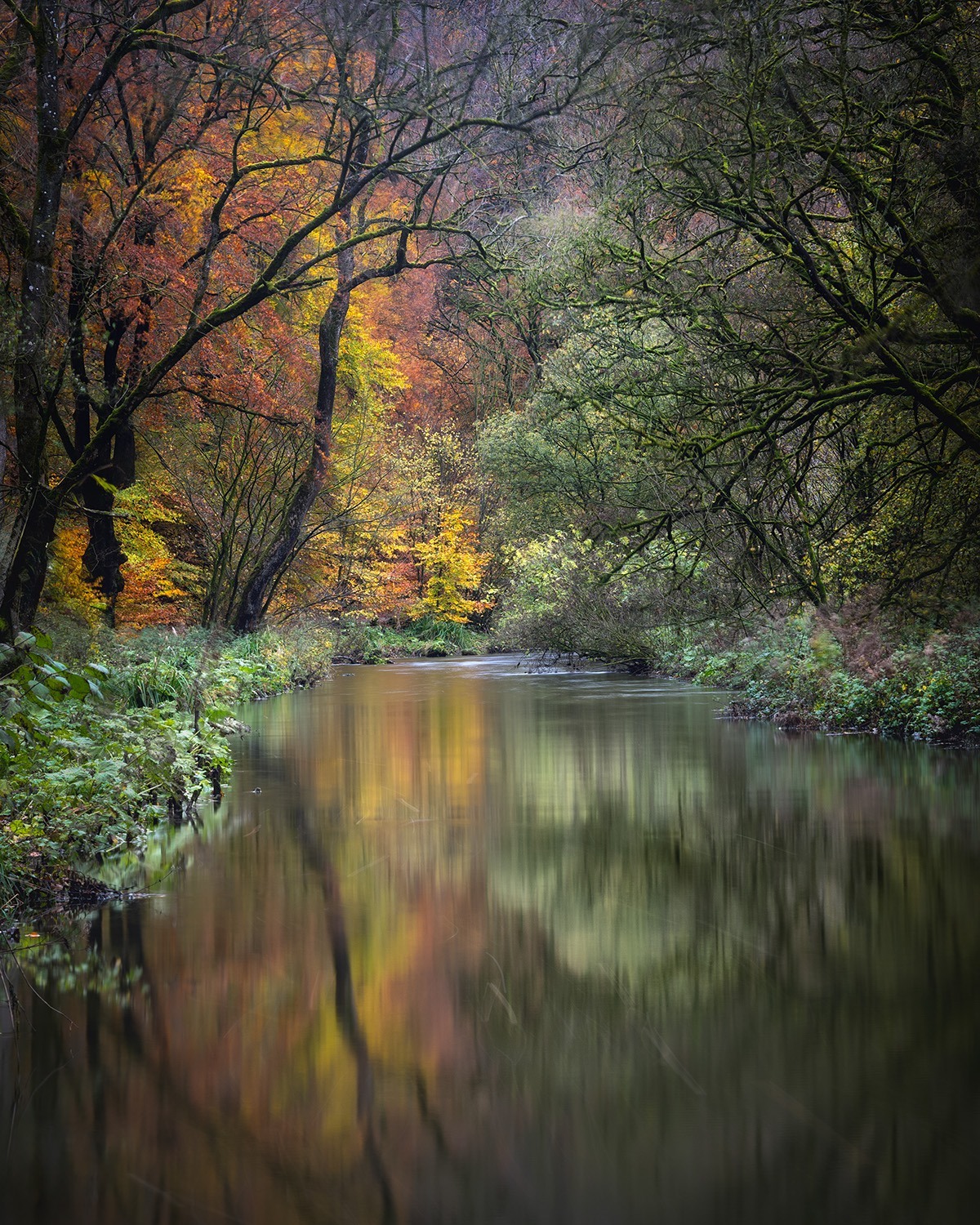
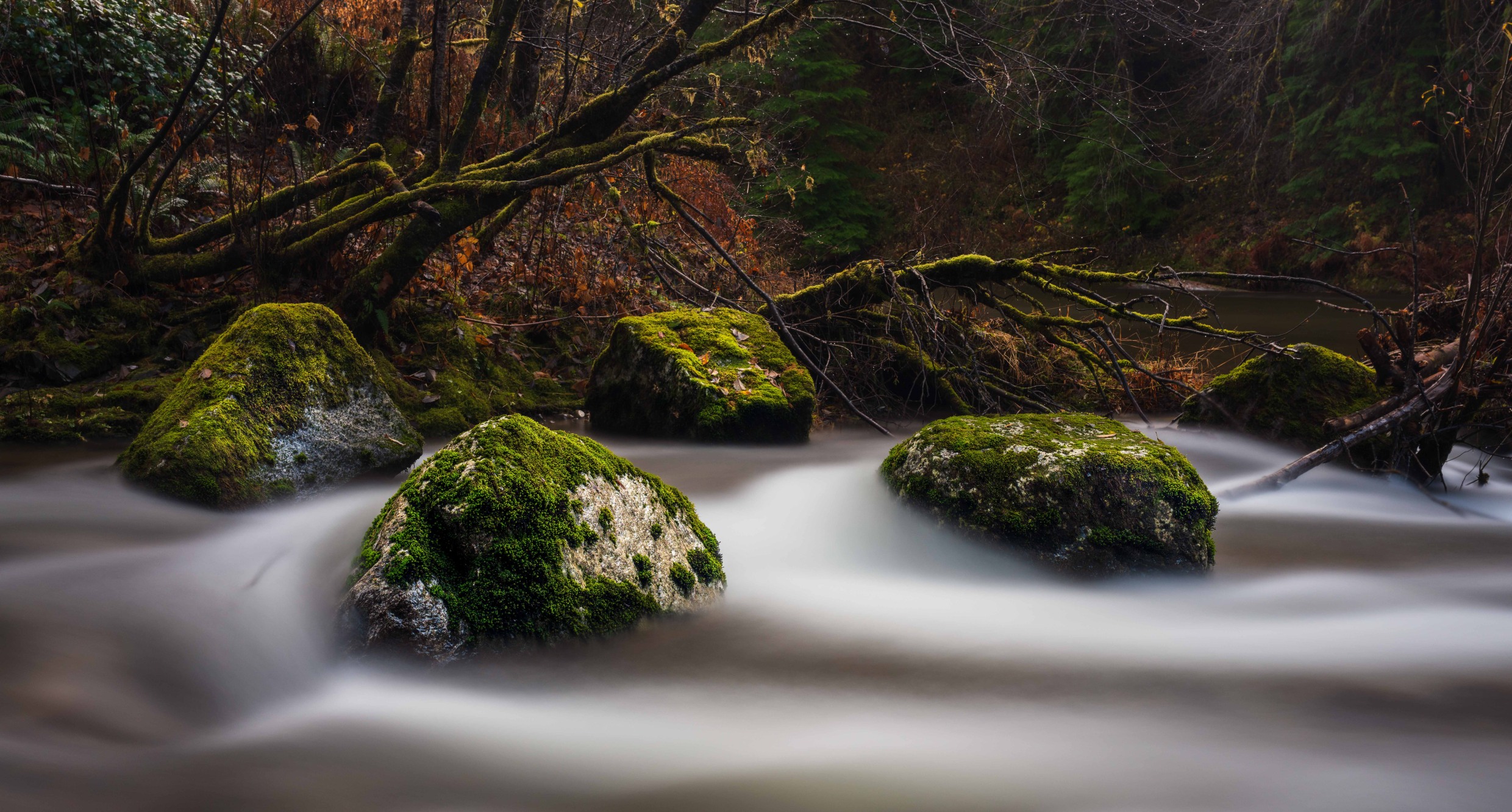
Leica M10, 90mm Elmarit, ND, tripod. Dull rainy days are perfect for autumn colour. Please click for a better view.
46 points
-
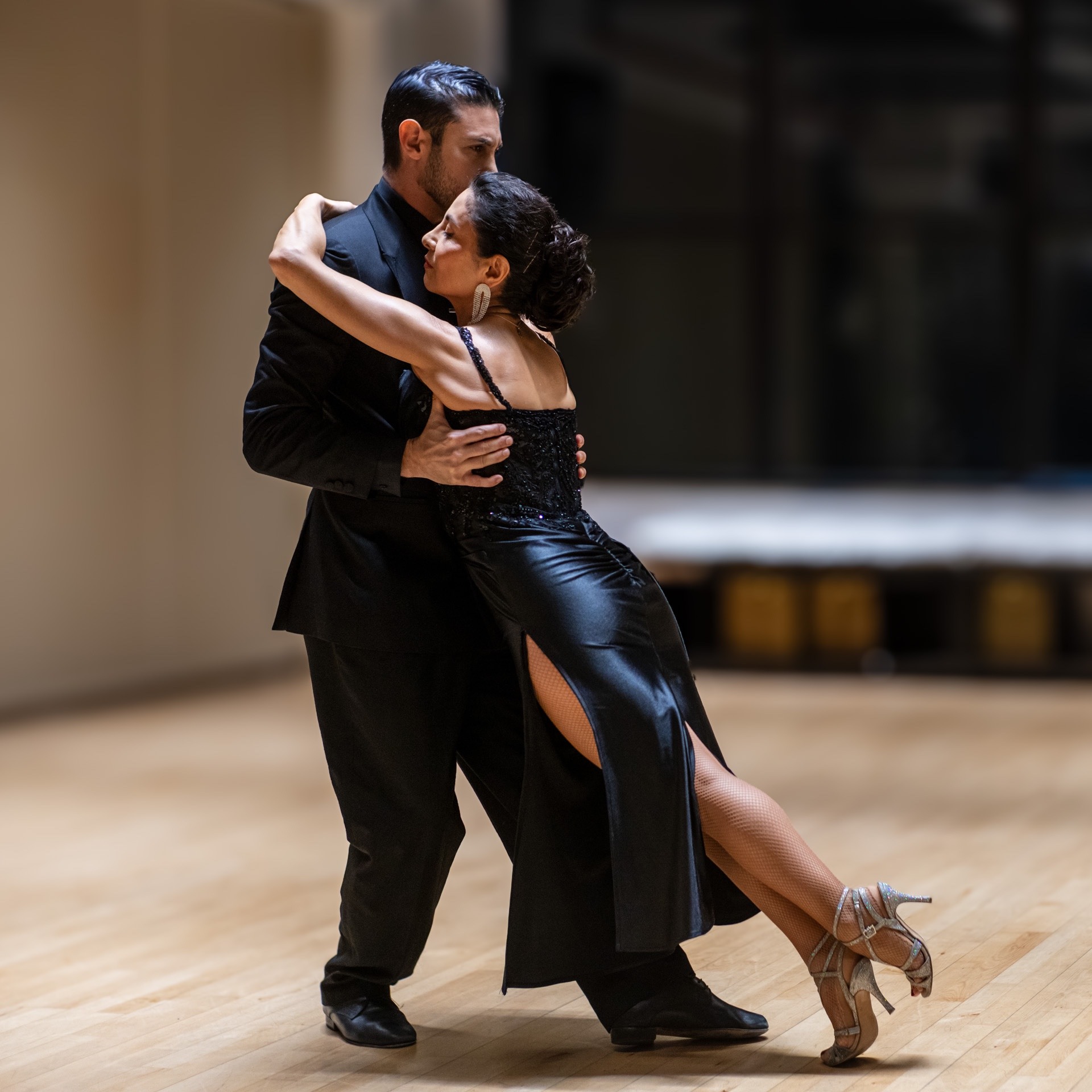
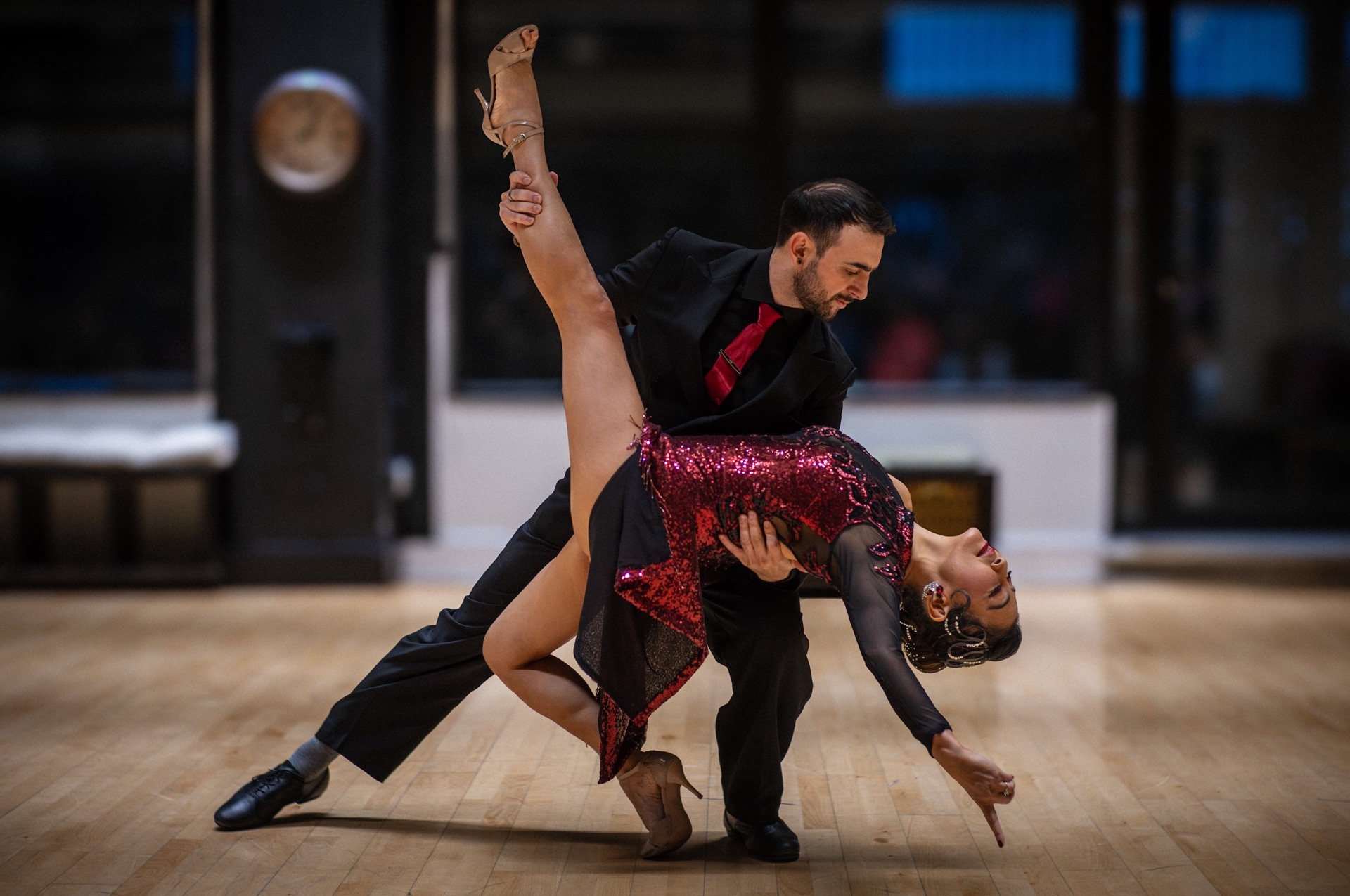
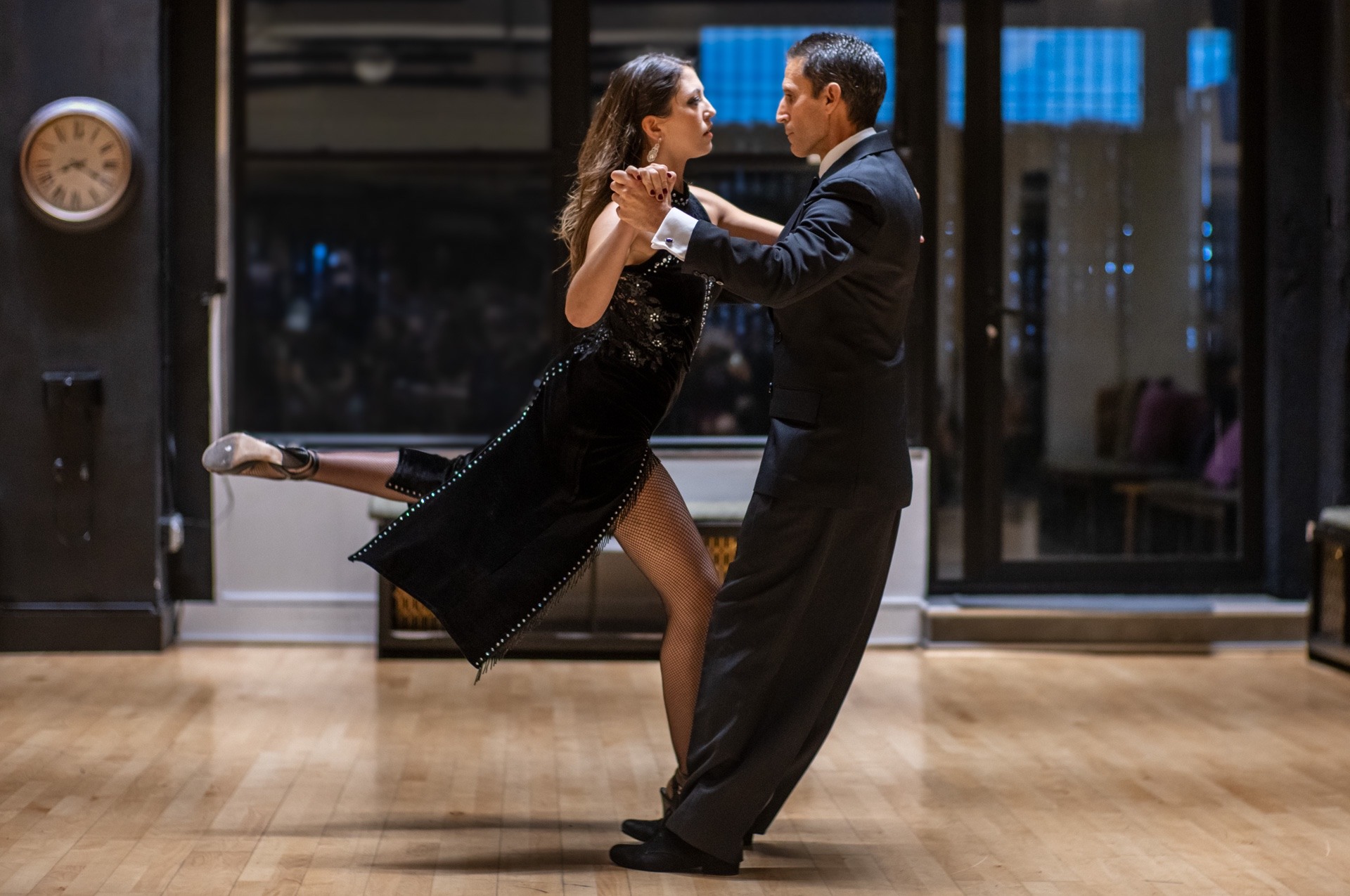
(Real-world test: 500 frames, Noctilux 50/1.0 wide open) I spent the weekend shooting with a production Leica EV-1 M (FW 1.0) before its U.S. release. To make the test meaningful, I deliberately limited myself to one lens only: the Noctilux 50/1.0, wide open, shooting fast tango dancers in mixed tungsten/LED stage light — about the hardest scenario an EVF-only manual-focus M body can face. Bottom line: It handled it. 1. Manual focus & EVF: Focus peaking (LOW sensitivity) is clean and dependable. The HIGH setting is too “hot” with false positives, but LOW works extremely well. EVF blackout and refresh feel similar to the SL/SL2-S, far better than M10 + Visoflex. I had zero trouble tracking dancers at f/1 once I got into the rhythm. 2. Tri-resolution sensor (60/30/18 MP): This is a real workflow tool, not a gimmick. – 60 MP: noticeable but predictable lag (SL3-like), maximum detail. – 30 MP: minimal lag, great balance. – 18 MP: zero perceptible lag, perfect for reportage/social dancing. I shot the performance at 60 MP and the social event at 18 MP. Switching modes changes how the camera behaves — in a good way. 3. Lag at 60 MP: Yes, it’s there. But it’s consistent. Within 10 minutes I adapted and started shooting with a tiny lead-in. After that, catching dips, turns, and fast transitions wasn’t a problem. 4. Image quality: Modern Leica color through and through — clean skin tones in awful mixed light, smooth highlight rolloff, great microcontrast. No chroma noise issues, no rolling shutter in the dance shots, and the Noctilux character is beautifully preserved without losing detail. 5. Cropping performance: Only one of my posted images is heavily cropped — around 30% of the 60 MP frame (≈40+ MP equivalent). Even at that crop, the Noctilux rendering holds up: eyelashes, sequins, and hair texture stay crisp, with no smear or aliasing. Focus is exactly where intended despite motion and f/1 depth of field. This level of cropping flexibility wasn’t reliably possible on my M10/M240 in similar conditions. Attached is this cropped file for your reference. 6. Ergonomics: One real flaw: the diopter adjustment is badly located for left-eye shooters (like me). To adjust it while looking through the EVF, I literally had to rotate the camera upside down. Right-eye shooters won’t notice; left-eye shooters definitely will. Everything else feels excellent. 7. Battery life: Around 350 shots per battery. Not M11 territory, but totally fine for an evening with one spare. 8. About the “M magic” discussion: If you want a mechanical rangefinder, the M11 and M11-P are still the flagships. The EV-1 M isn’t here to replace them. It’s here for the situations where the RF struggles: Noctilux at f/1 on movement, close focus, R lenses (the new 6-bit adapter is excellent), non-coupled wides, telephoto, macro, low-light precision, and for shooters whose eyes simply benefit from an EVF. My favorite analogy: A man tries to catch a taxi. Several pass him by. A plain car finally stops. The man says, “I don’t know… you don’t have checkers on the door.” The driver replies: “Do you want checkers — or do you want a ride?” Conclusion: After 500 frames with a Noctilux wide open in real motion, here’s my honest take: The EV-1 M is the Precision M — the M for the situations where the classic RF hits its limits. It absolutely deserves to stand next to the traditional M cameras, not instead of them. Happy to answer questions or share more examples.
46 points
-
(Leica SL2 + Leica Vario-Elmar-SL 5-6,3 100-400)
46 points
-
I am not an airline pilot. I have heard pilots talking about how their plane "wants to fly" at takeoff and they have to control/ temper-down the plane until the exact moment the plane safely should fly. Have I lost you yet? Well, here is what I'm talking about. At post-processing today, my 28mm Summaron reissue colors were simply radiant. I had to hold back the processing for fear the photo would look over processed. LOVE this lens. Boston's Longfellow Bridge is seen at this morning's amazing sunrise. M10-R 100 ISO 1.4 seconds at F22 Mark Garfinkel
43 points
-
Sigma BF, Sigma 2.8/28-105 Art Thanks for watching!
42 points
-
Patrícia Q2M
41 points
-
M10P, SE21
41 points
-
Kay Leica Q Shot this on a recent walk in Winston Salem NC.
34 points
-
Adelina, Sigma BF, Sigma 2.8/45 Contemporary thanks for watching!
33 points
-
Novemberblues
33 points
-
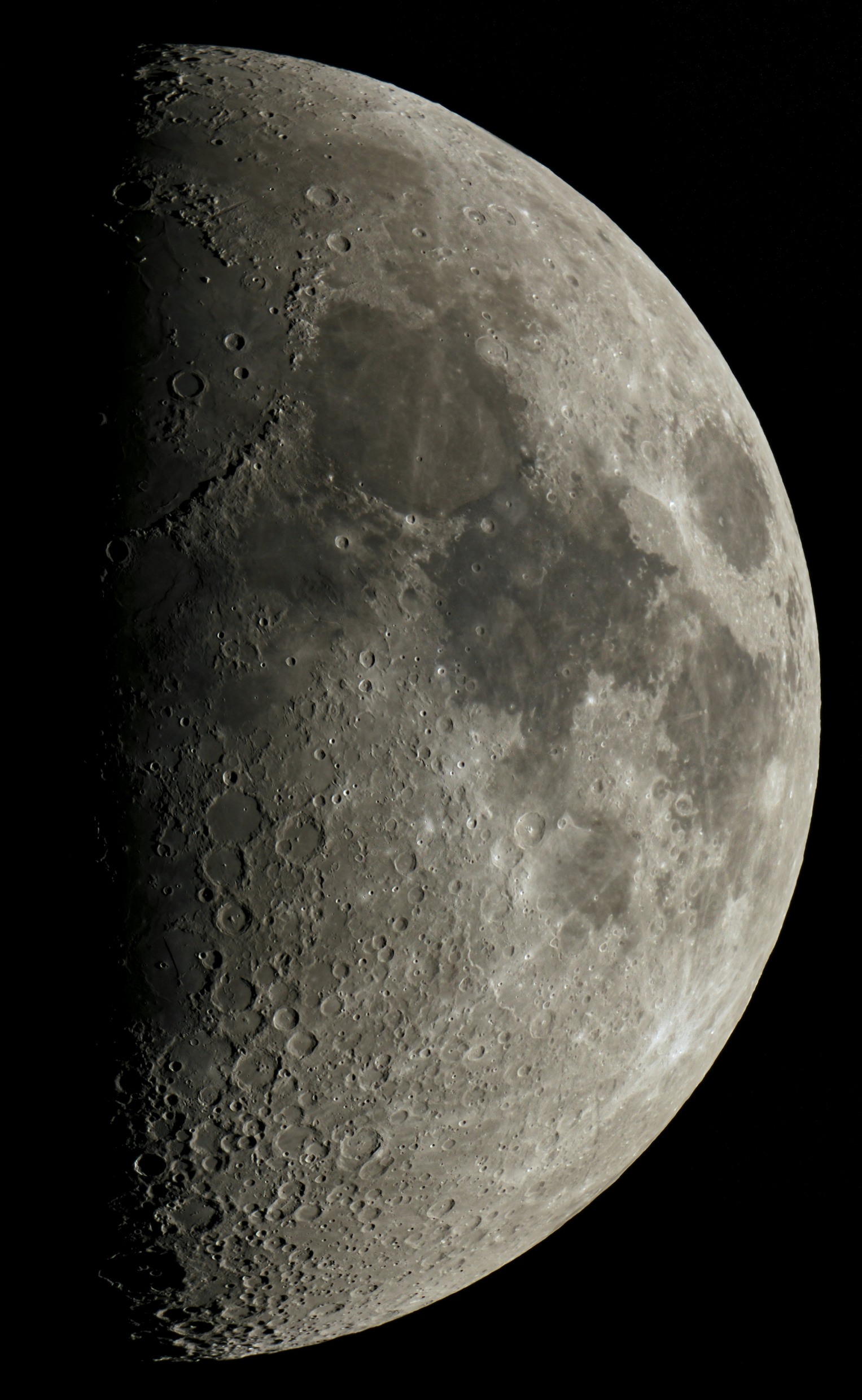
My first moon pic with the ev1 mounted on my celestron 11 edge hd. The fine resolution shines also behind 2800mm focal length f/10 mirror optics
31 points
-
M10-R, 2/50 Apo summicron Thanks for watching!
31 points
-
Bette. M240 with 50/1 Noctilux.
31 points
-
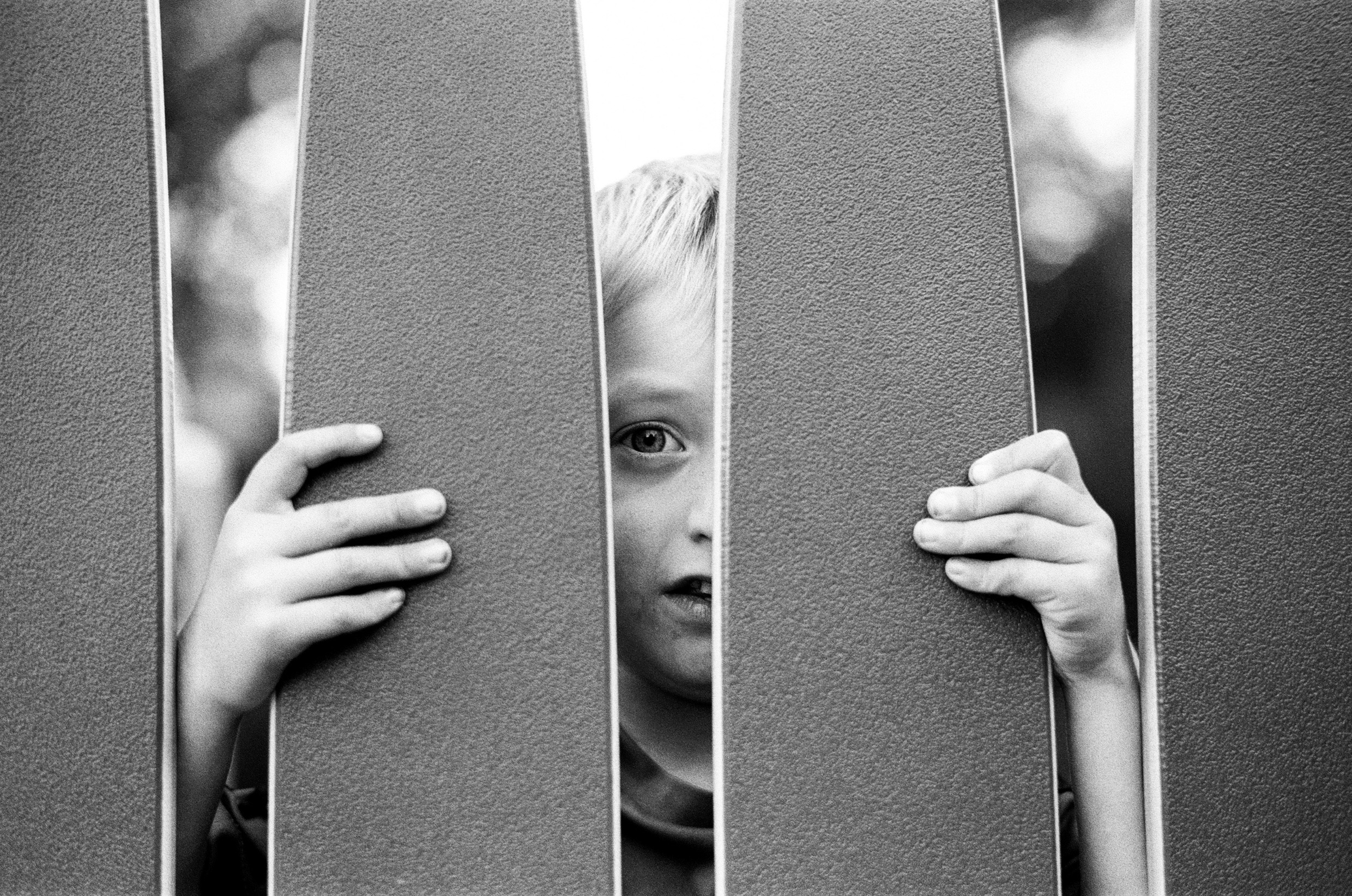
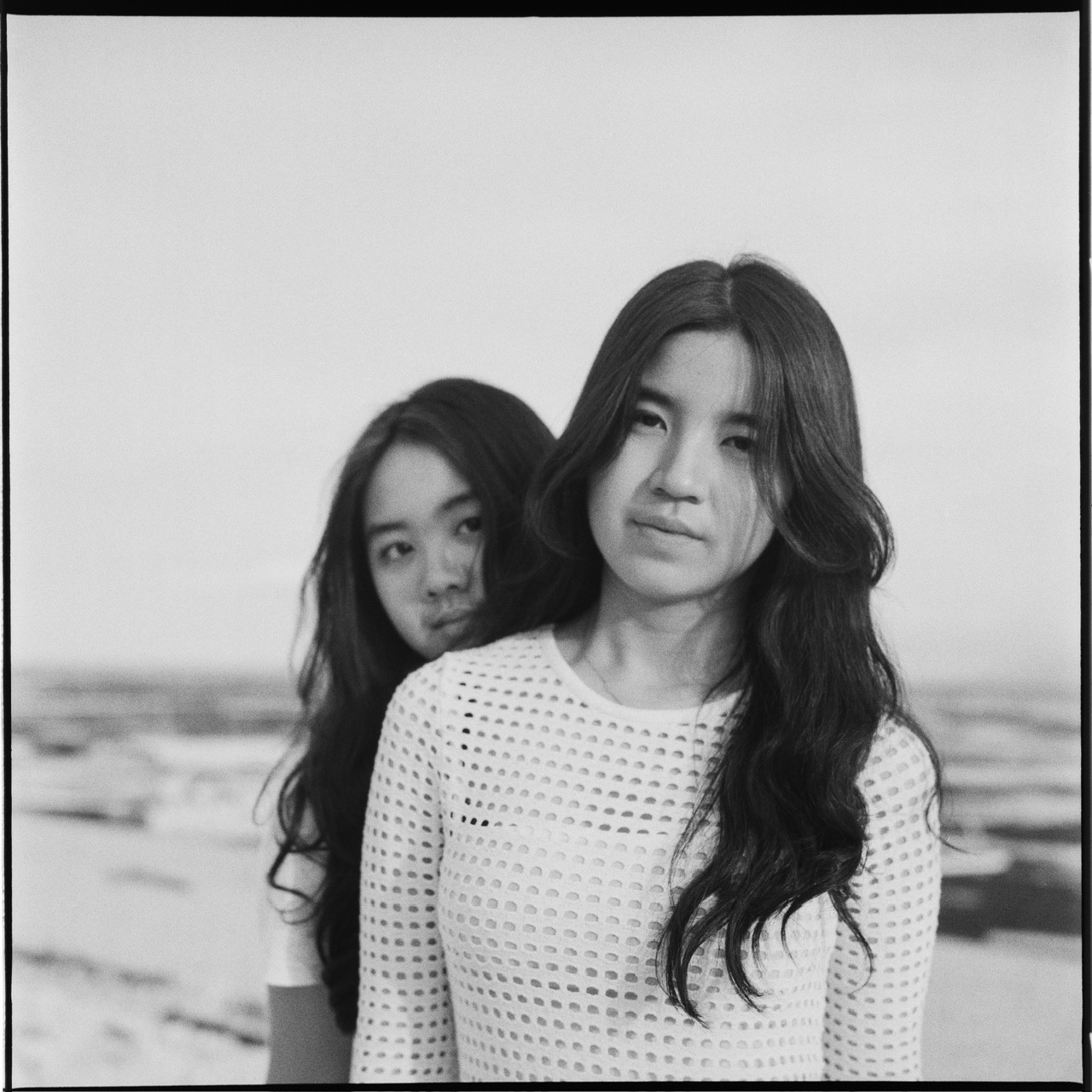
kentmere 400 | Ilfotec hc rolleiflex 2.8Gx
30 points
-
M240 with 50/1 Noctilux
30 points
-
First post other than my intro in the other forum. Short story, lots of hobby-level photography experience over the last 50 year including 4x5" LF. Spent a lot of time with an M6 in the 90's until switching to Mamiya 6 & 7s. I purchased a Q3/43 late last summer after going back and forth on options for a 'carry camera' including the Fuji MF rangefinder and film with my Mamiya 6. I also have a Sony 'system camera', an A7R4 with a set of G Master primes from 24 to 135 that I don't use very much. It has been a bit of a weird relationship with the Q3/43. I have almost sold it a couple times - just felt too extravagant for fixed lens everyday camera. Each time, considering the lost depreciation value from MPB I waffled but more importantly, the damn thing kept spitting our photos that I liked... Here's recent one "Five Rocks".
30 points
-
M10-D, 50mm Summicron v5 @ f/2
30 points
-
Rolleiflex 2.8e, Ektar
29 points
-
Dunkerque, Summicron iv 35mm/ M-E 220..
29 points
-
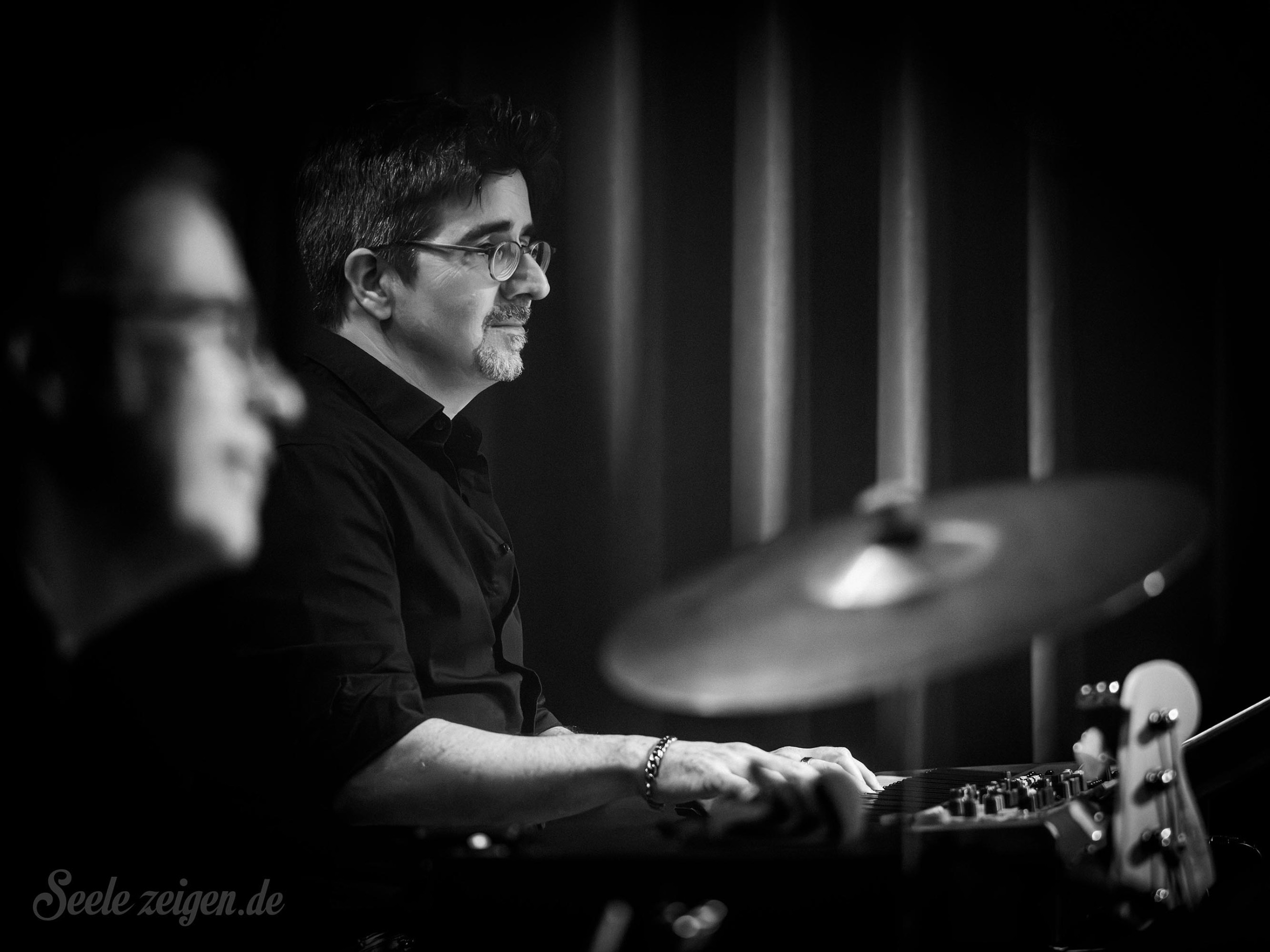
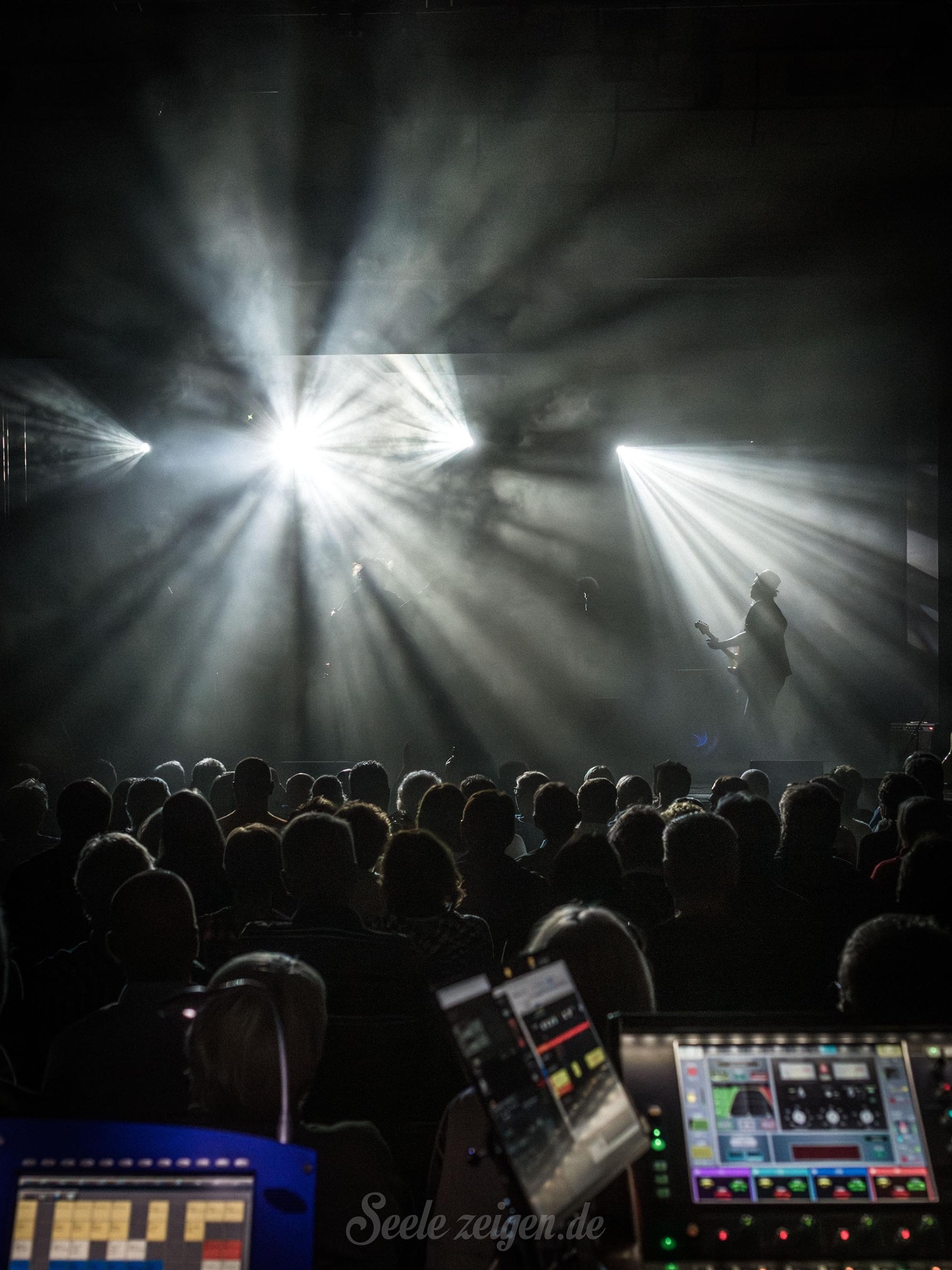
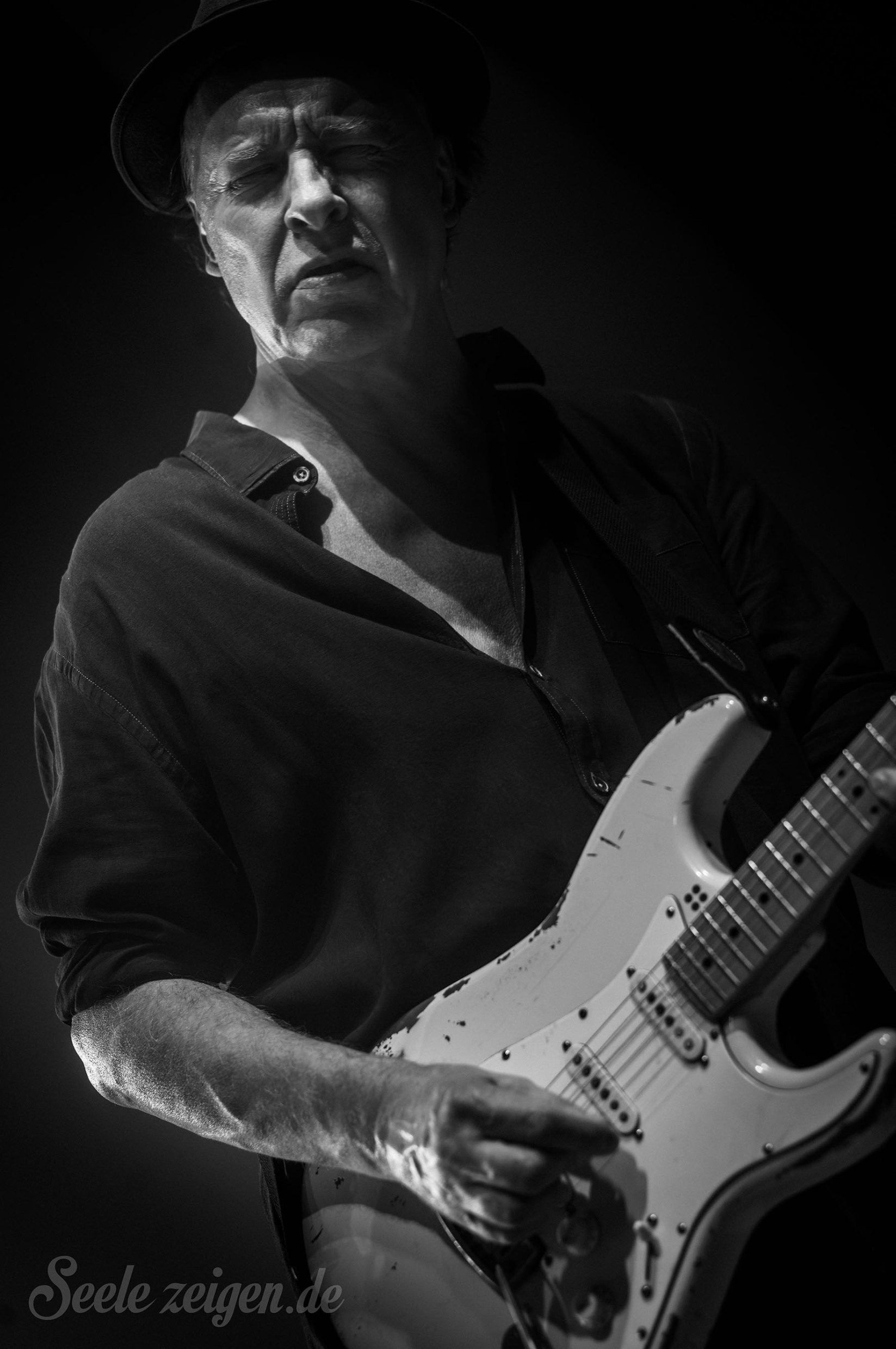
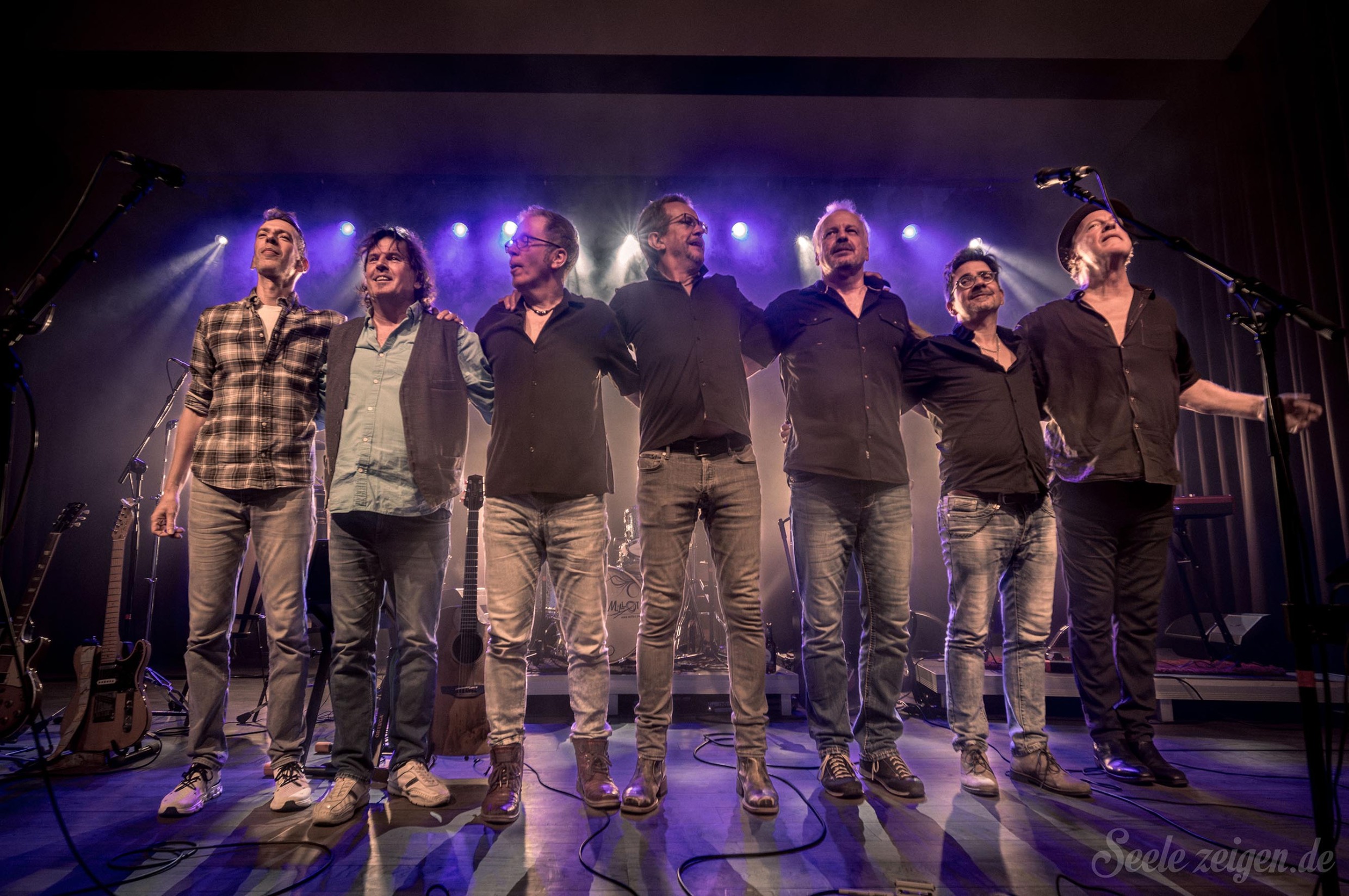
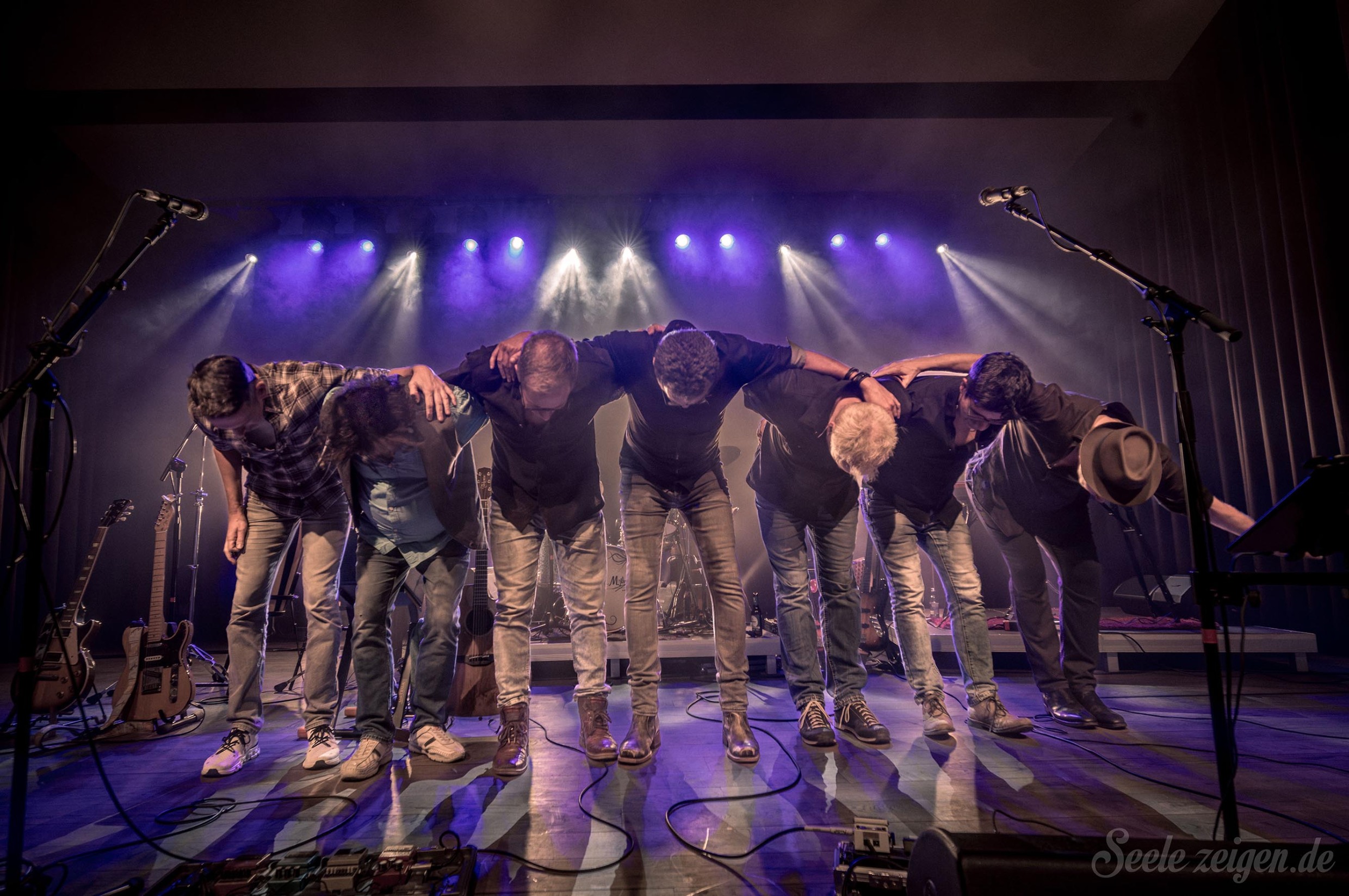
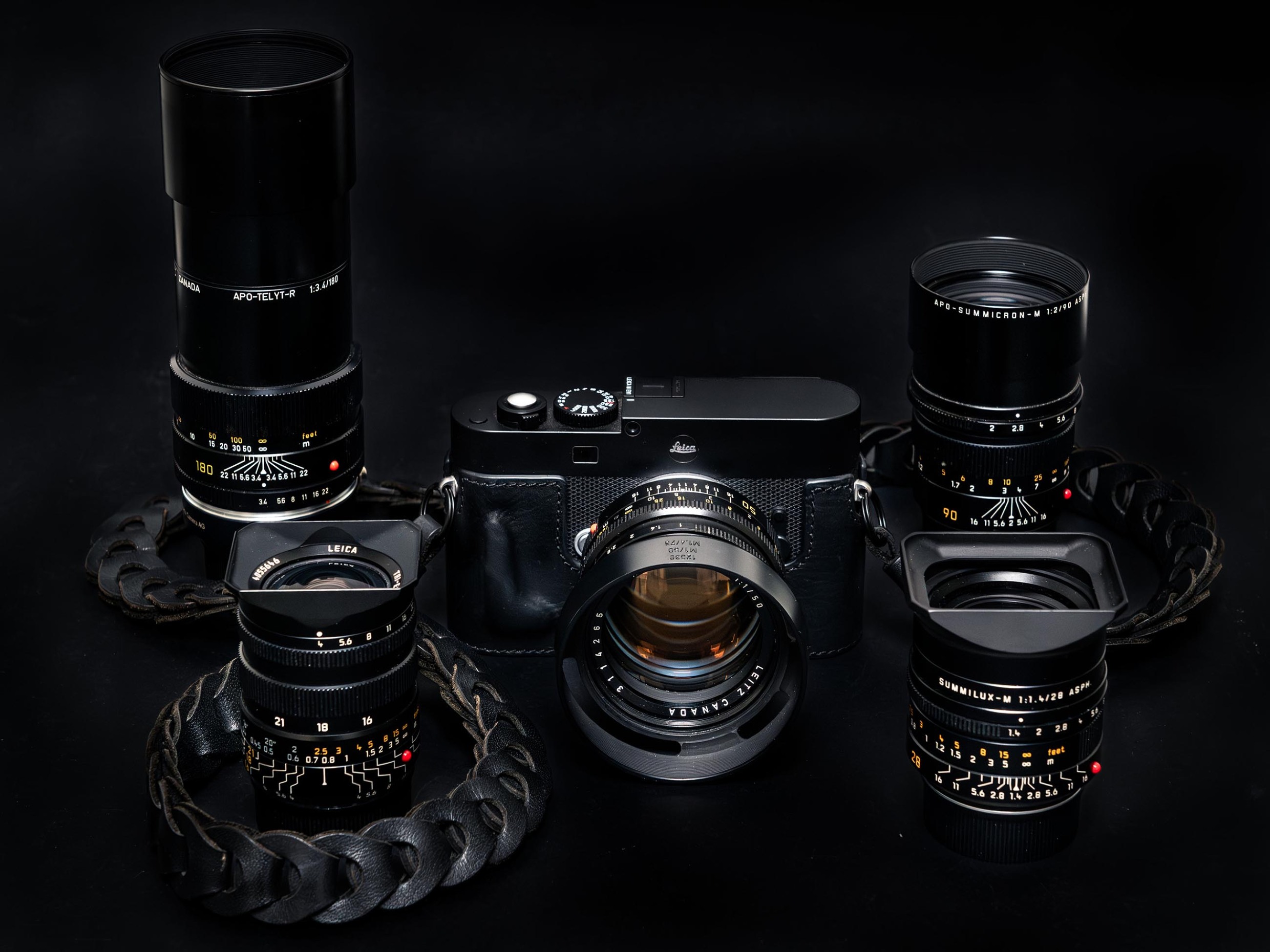
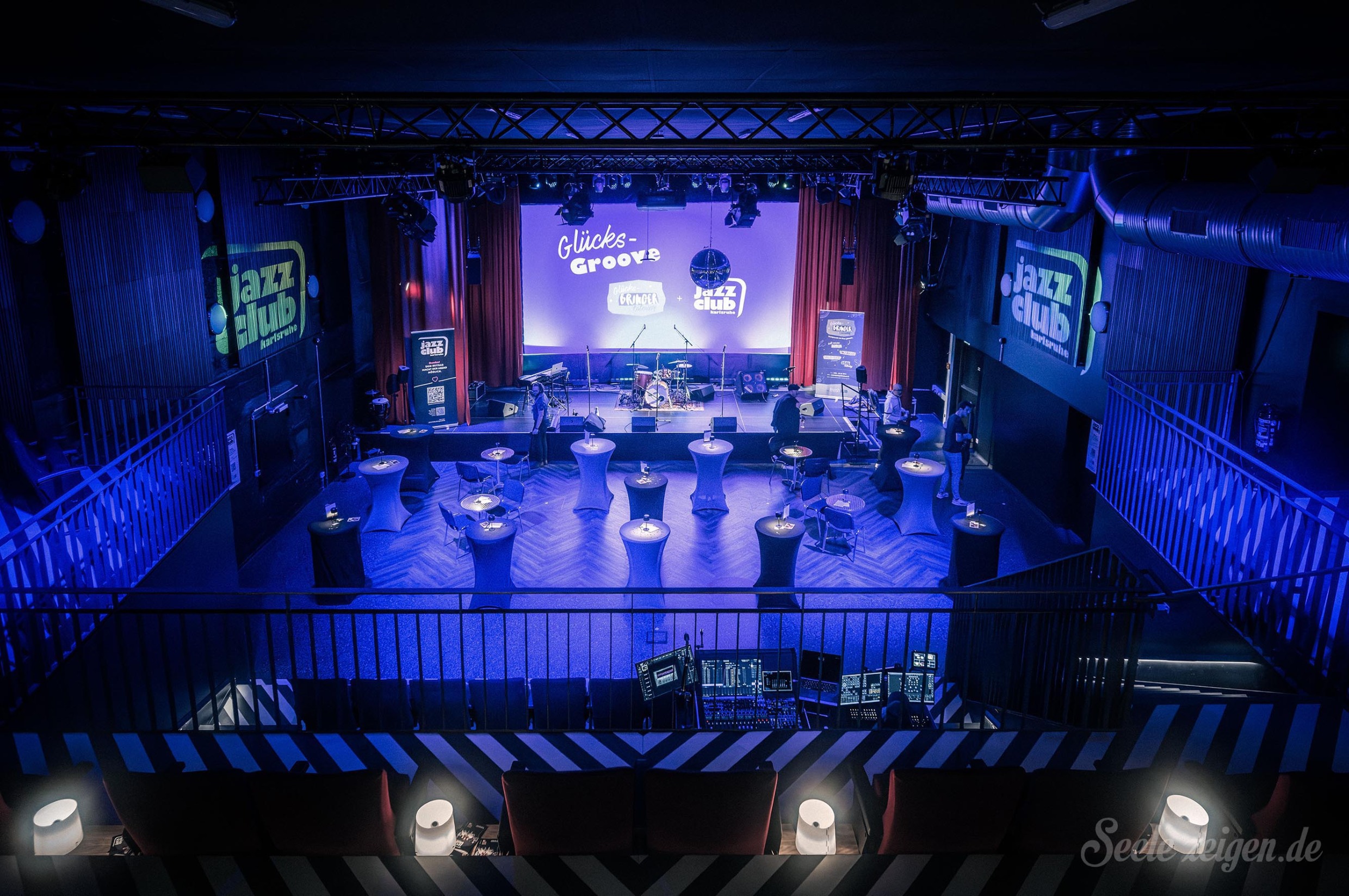
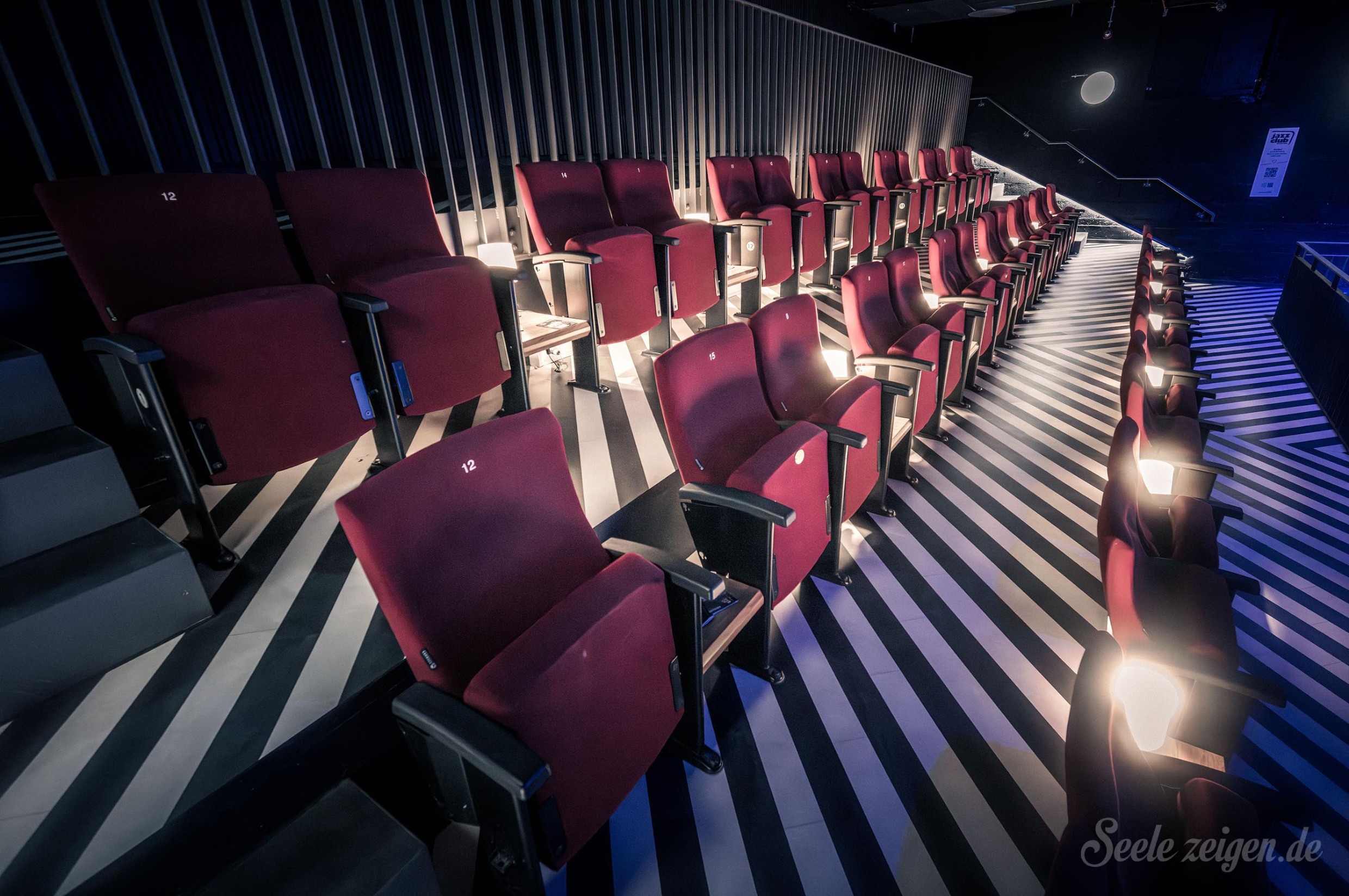
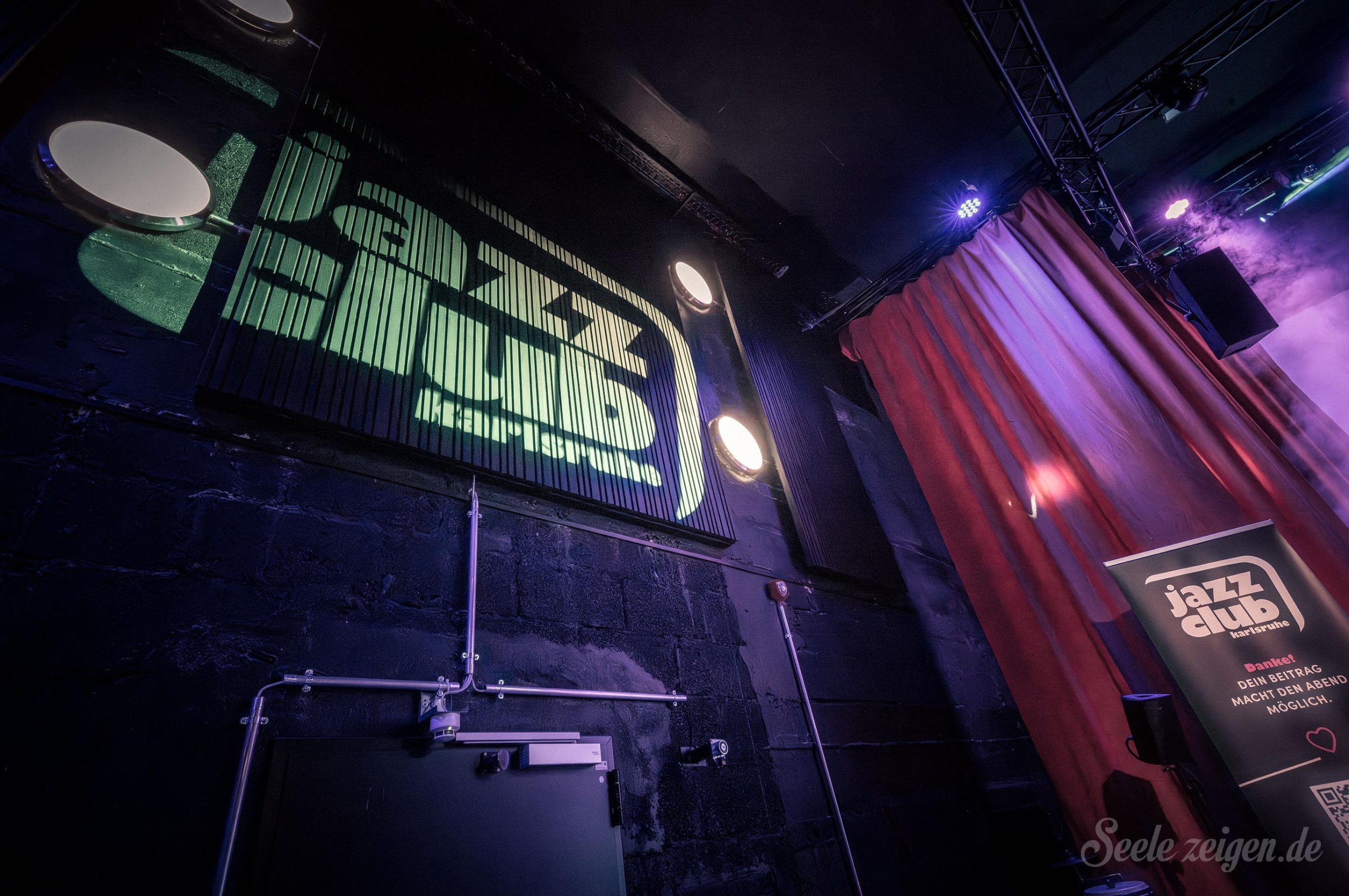
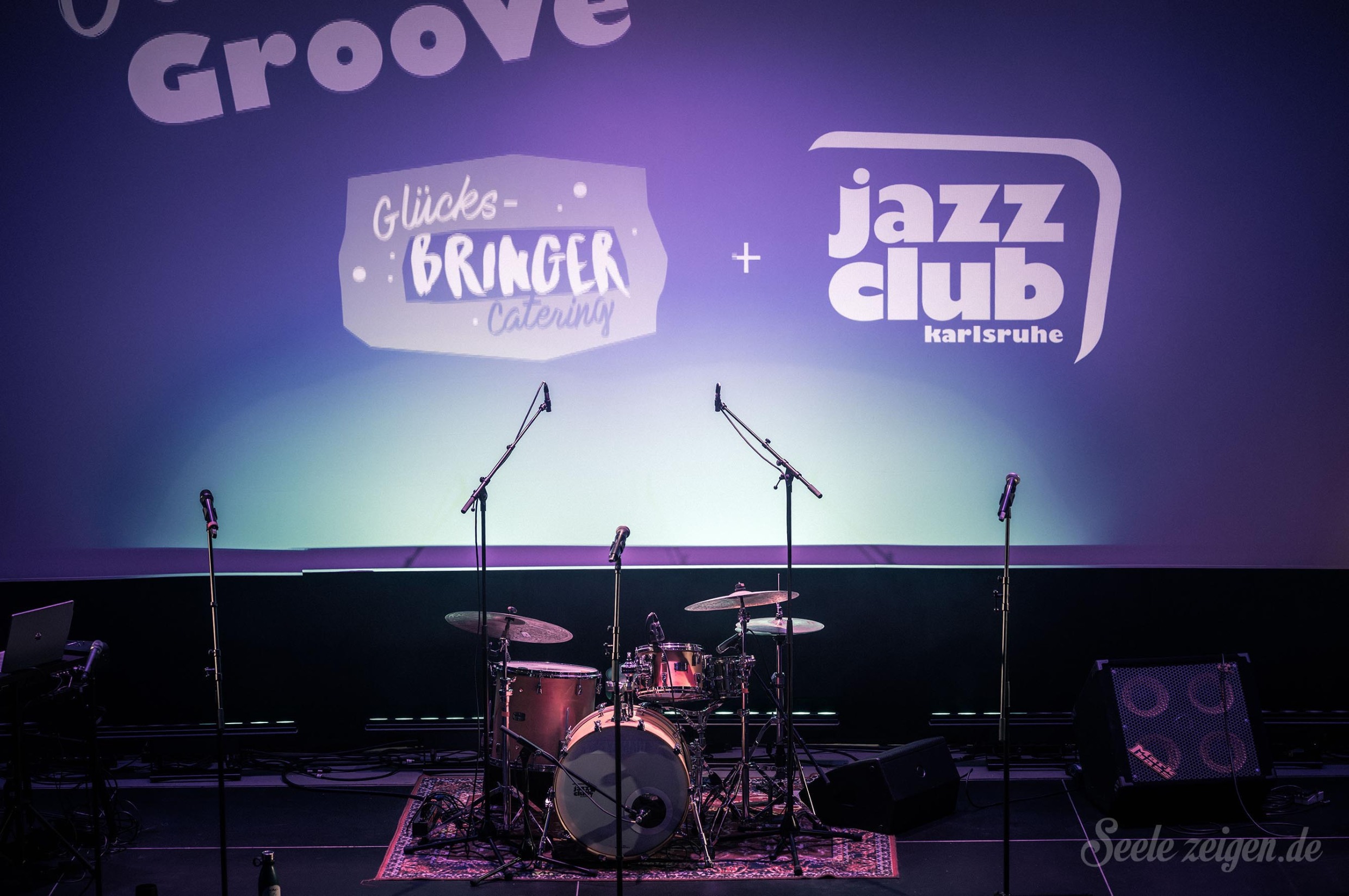
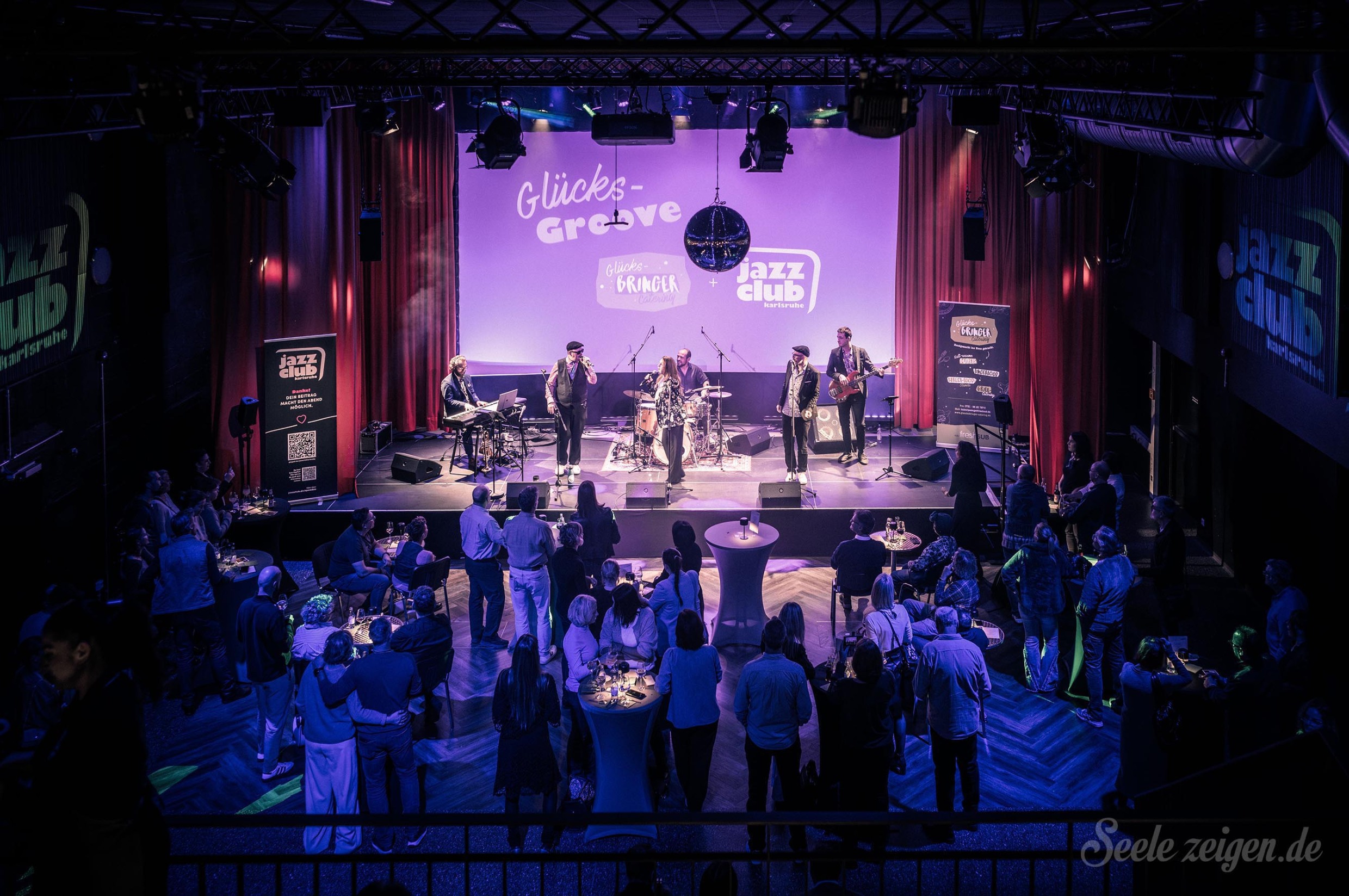
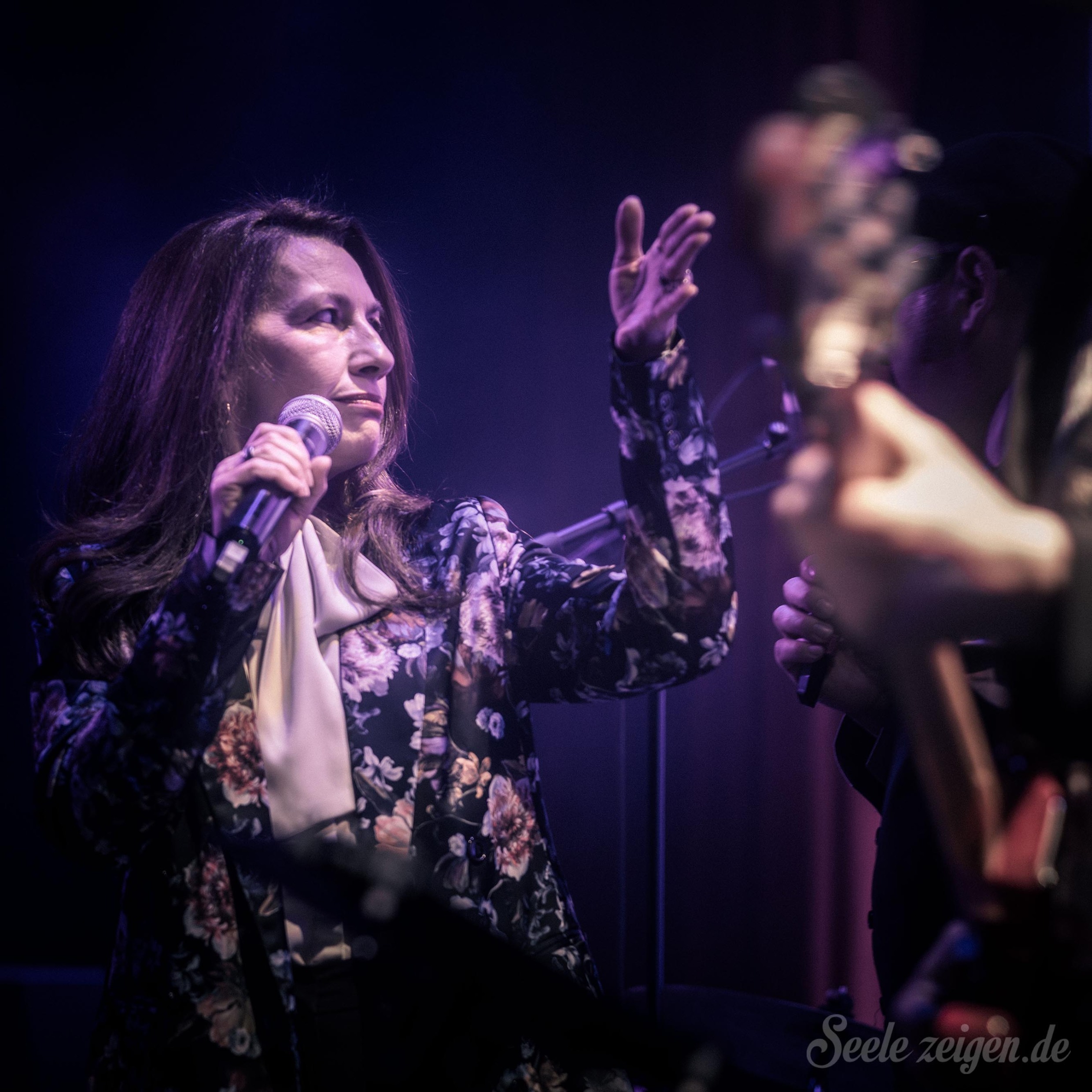
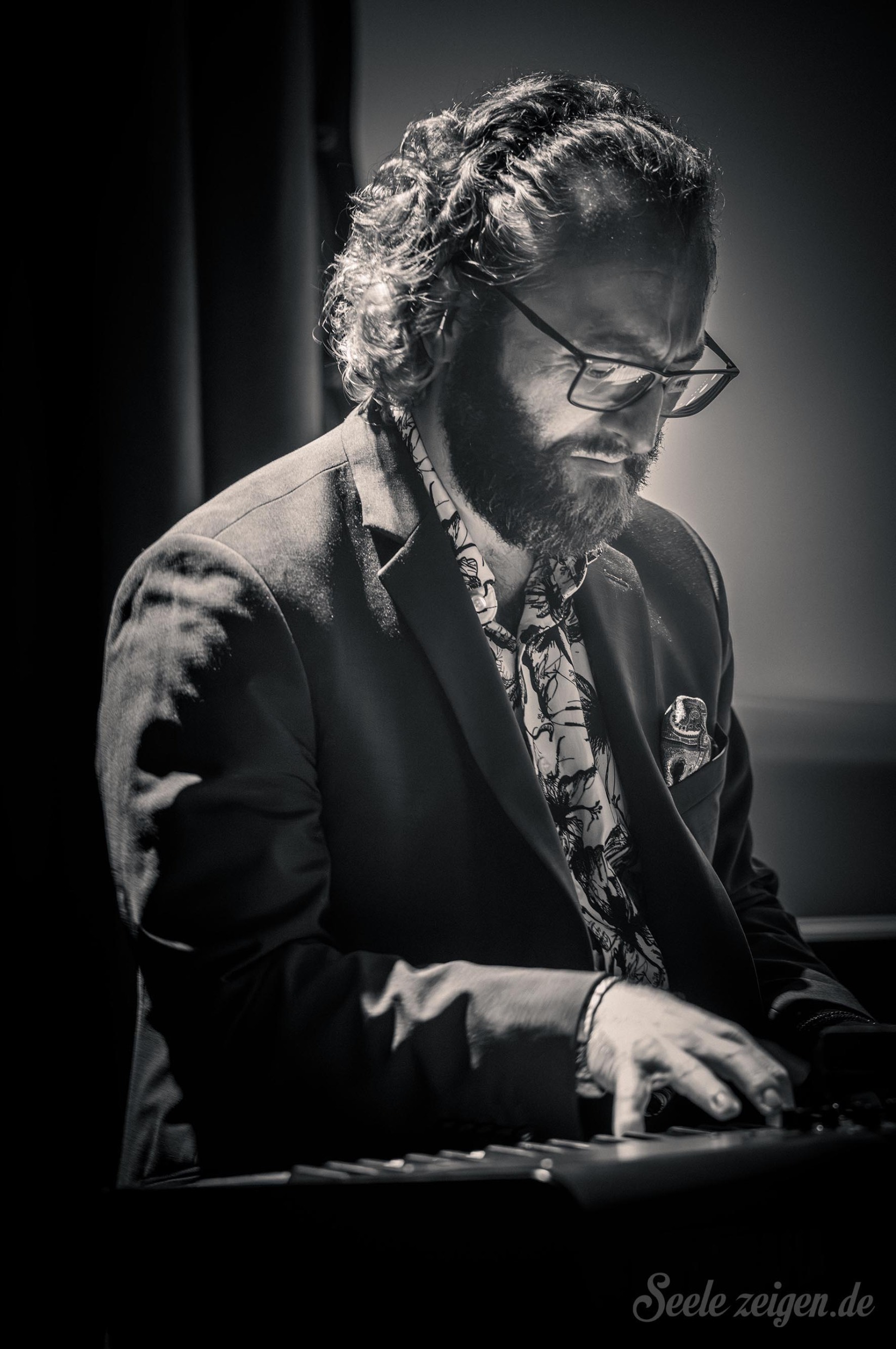
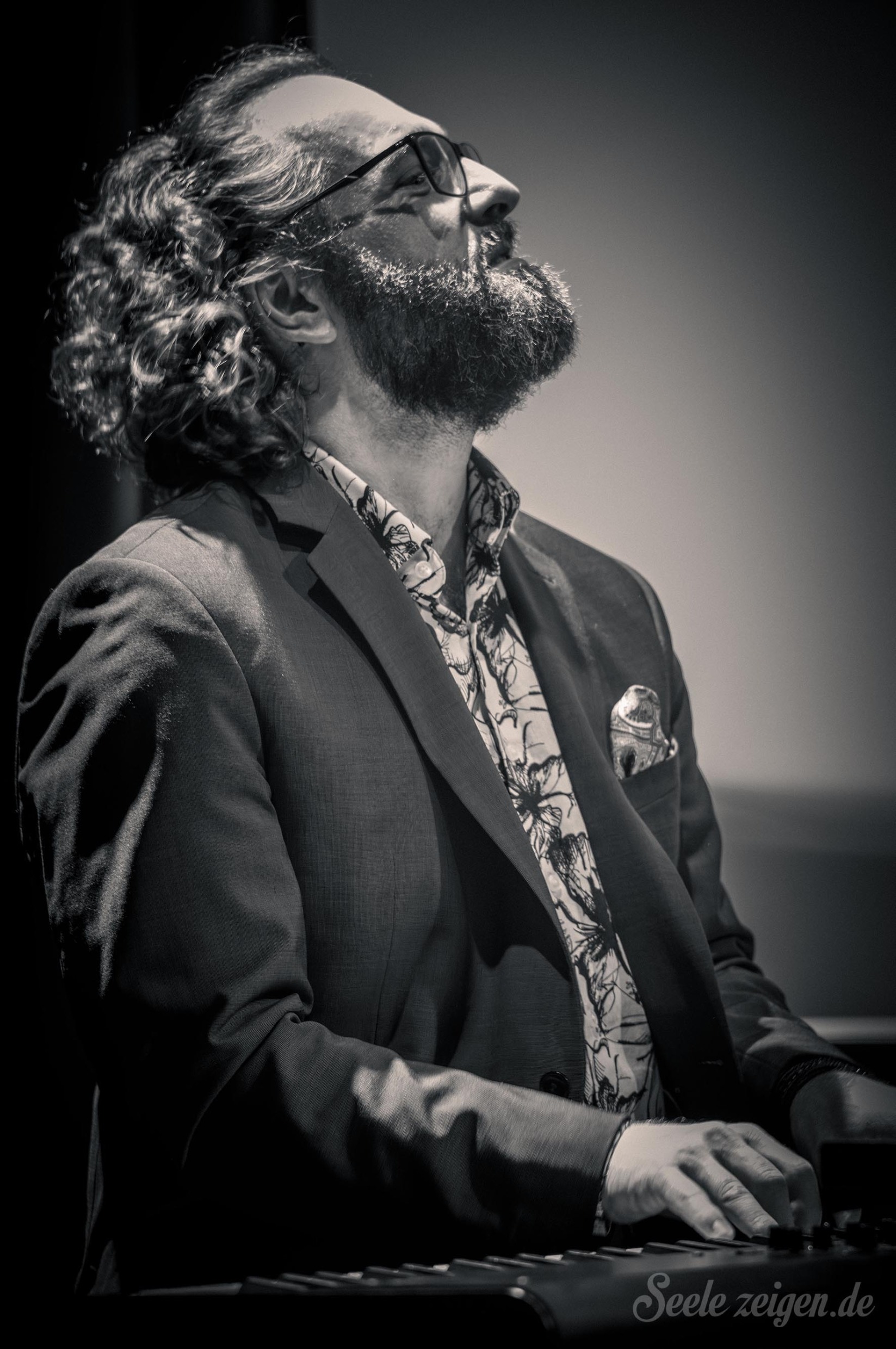
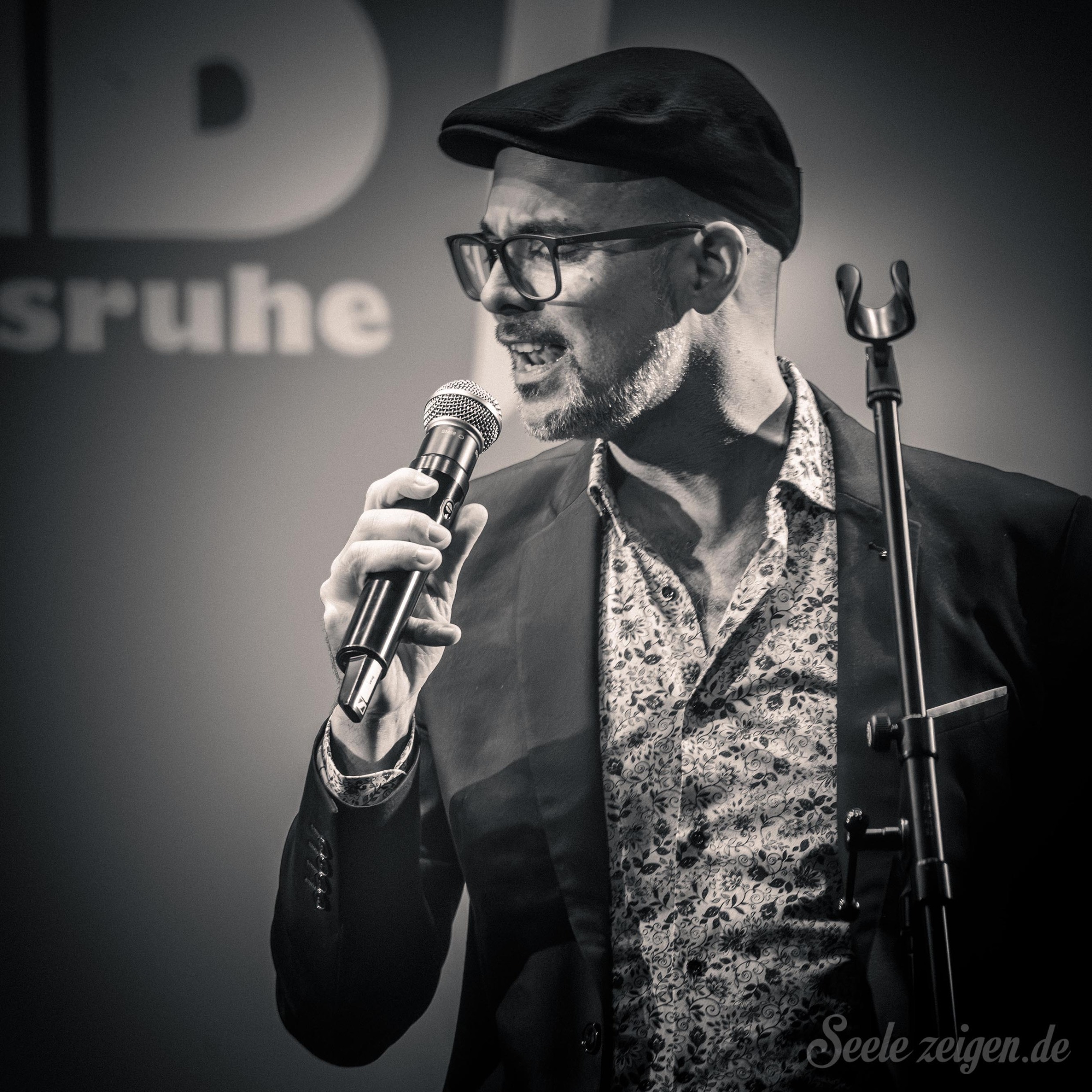
Hallo zusammen, nachfolgend eine Fotoserie mit ein paar Erfahrungen in meinem ersten Job mit der M EV1 bei einem Konzert im Jazz-Club Karlsruhe. Objektive: Tri-Elmar 16-18-21, 28er Summilux, Nocti 1,0/50mm, Apo-Summicron 90mm und schließlich das 3,4/180mm Apo-Telyt R am Adapter – Equipmentfoto anbei. Hat alles gut funktioniert und mit ein bisschen Übung ist man doch ziemlich zielsicher unterwegs, was die Schärfe anbelangt. Ich hab viel hin und her geschaltet zwischen dem (unempfindlicheren) Fokuspeaking ohne Vergrößerung und der Sucherlupe, und zwar ausschließlich per Multifunktionshebel, also dem ursprünglichen Bildfeldwähler. In der Regel ist es so, dass sich aus meiner Sicht das Peaking ohne Vergrößerung sehr gut mit (stärkeren) Teleobjektiven anwenden lässt, hier springt die Schärfe ja sehr gut beim Verstellen. Beim 50er Noctilux oder im Weitwinkelbereich setze ich dann mehr auf die Fokuslupe, die zwar langsamer in der Anwendung ist, aber bei kürzeren Brennweiten einfach mehr Response gibt. Die Automatische Lupe nutze ich hingegen gar nicht, die reagiert mir einfach noch zu langsam wenn man am Entfernungsring dreht – hier hoffe ich, dass das per FW-Update vielleicht noch etwas schneller funktioniert. Ich habe das an anderer Stelle schon mal erwähnt – ein ganz großer Wunsch wäre auch, wenn Leica eine Art Schärfewaage in die Firmware einbauen könnte. Oder auch ein digitales Mikroprismenfeld, das gibt es glaube ich woanders auch, ich meine bei Canon. Aber da ich ja leider kein Tester mehr bin, fragt mich keiner 😅 … Ansonsten bin ich schon sehr zufrieden und bereue den Schritt zur EV1 nicht. Für mich ist sie eine gute Ergänzung für solche Fälle mit extremeren Brennweiten und es ist eine schöne Sache, eine spiegellose Leica mit EVF und dem Formfaktor einer M ohne Zusatzsucher einsetzen zu können. Die SL2 wird deshalb wahrscheinlich künftig weniger eingesetzt werden. Gleichzeitig wird die EV1 aber nicht meine klassischen Messsucher-M ersetzen. Die ist einfach immer noch schneller, gerade auch bei der Streetfotografie. Vor allem meine M10-R bzw. M10-M, die noch kein unterschwelliges Live-View haben und die Belichtung nicht bei geöffnetem Verschluss messen, sondern ganz klassisch belichten … Liebe Grüße Tom
28 points
-
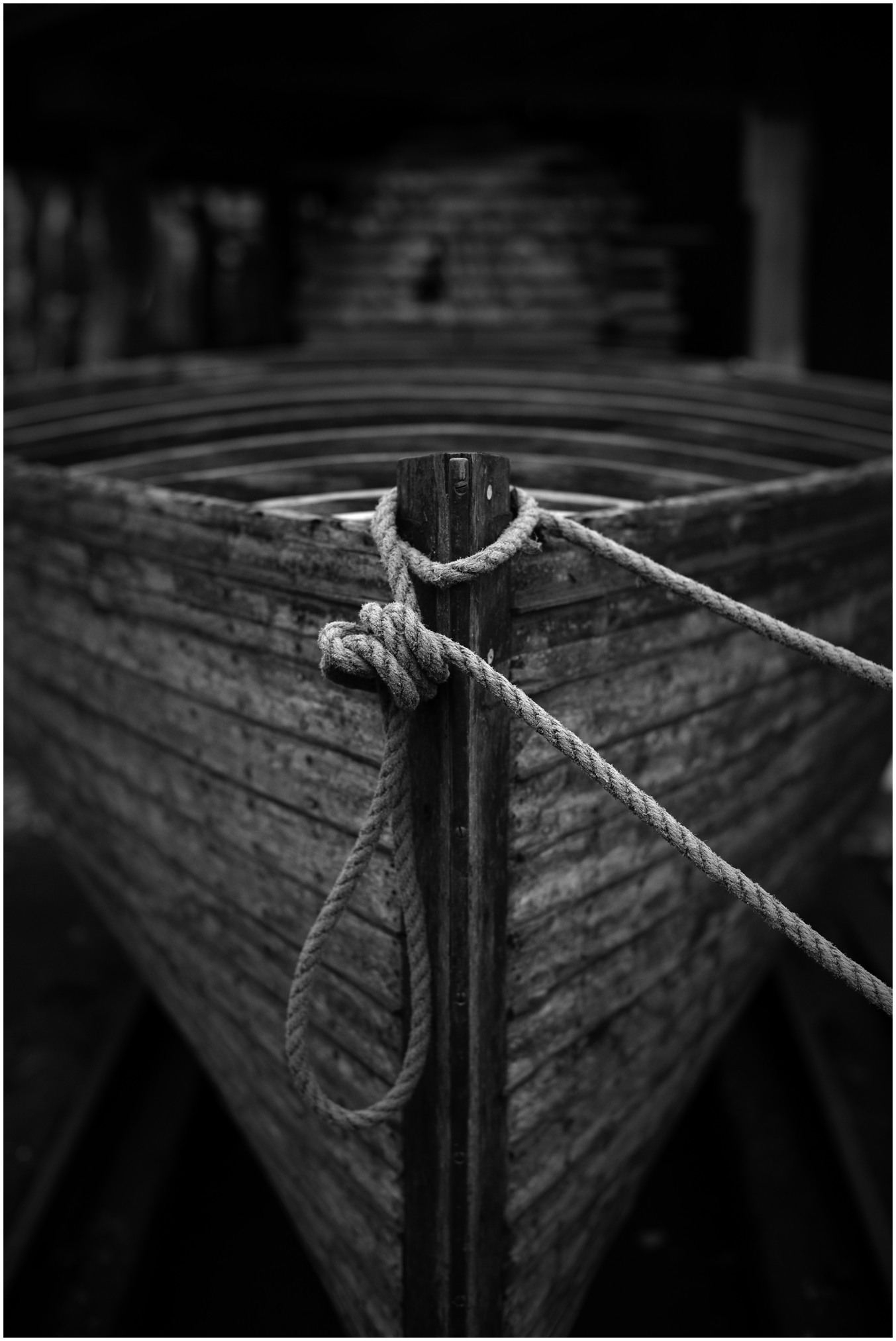
Rope'n Boat SL2s Nokton 5omm 1.1
28 points
-
Danke für deinen Beitrag, eine interessante Entwicklung und für dich sicher eine gute & richtige Entscheidung. Bei mir sind nach Jahren des Hin und Her mit verschiedenen Kamerasystemen (u.a. auch diverse LEICAs….) die M10, vier Objektive und der Visoflex2 geblieben. Für mich das „richtige Match“ und die Quintessenz einer langen fotografischen Materialreise. Hinter allem steht das bewusste, den eigenen Ansprüchen genügende Fotografieren. Das Vertrauen in das eigene Gefühl, das genaue hinsehen schlägt technische Perfektion. Ob EVF oder Messucher, manueller oder Autofokus, Bildstabilisatoren, Klappdisplays - jeder hat so seine eigenen Präferenzen und doch zählt am Ende nur das Bild…. Die Bedienung einer M, die Haptik, die Objektivqualität – all das bleibt mit kleinen Änderungen über Jahre konstant und wertbeständig. Eine neue M liefert über die zurückhaltend verbesserte Technik hinaus kaum einen qualitativen Quantensprung, der die persönliche Art zu fotografieren plötzlich grundlegend revolutioniert. Die Versuchung, zu einer neuen Kamera zu greifen ist normal - die Notwendigkeit selten. Eine Kamera soll begleiten, nicht dominieren, denn das Auge ist das Werkzeug und entscheidend für ein gutes oder schlechtes Foto. Aus ungefähr 3.800 Aufnahmen in 2025 bleiben mir nach Durchsicht aller Fotos ein „Best Of“ mit etwa 50 Fotos. Diese Menge nochmals selektiert und ausgemustert wird dann auf die „Top Ten“ reduziert, die eventuell den Weg in ein Fotobuch finden. Final bleibt für 2025 ein (!) Foto über, das bei mir in diesem Jahr den Weg an die Wand gefunden hat…. und auch nur, weil meine Süße (... die für eine geschmackvolle häusliche Dekoration zuständig ist...) mir dafür einen Platz unter der Treppe zugewiesen hat ! 😆 In diesem Sinne - viel Spaß weiterhin beim Fotografieren...
28 points
-
This portrait of Sarem is a ballet dancer and painter. During a break from her art residency program in Greece, she posed outside in the overcast light of northern, Greece. Leica M11 and Voigtlander 75mm f1.5 lens.
27 points
-
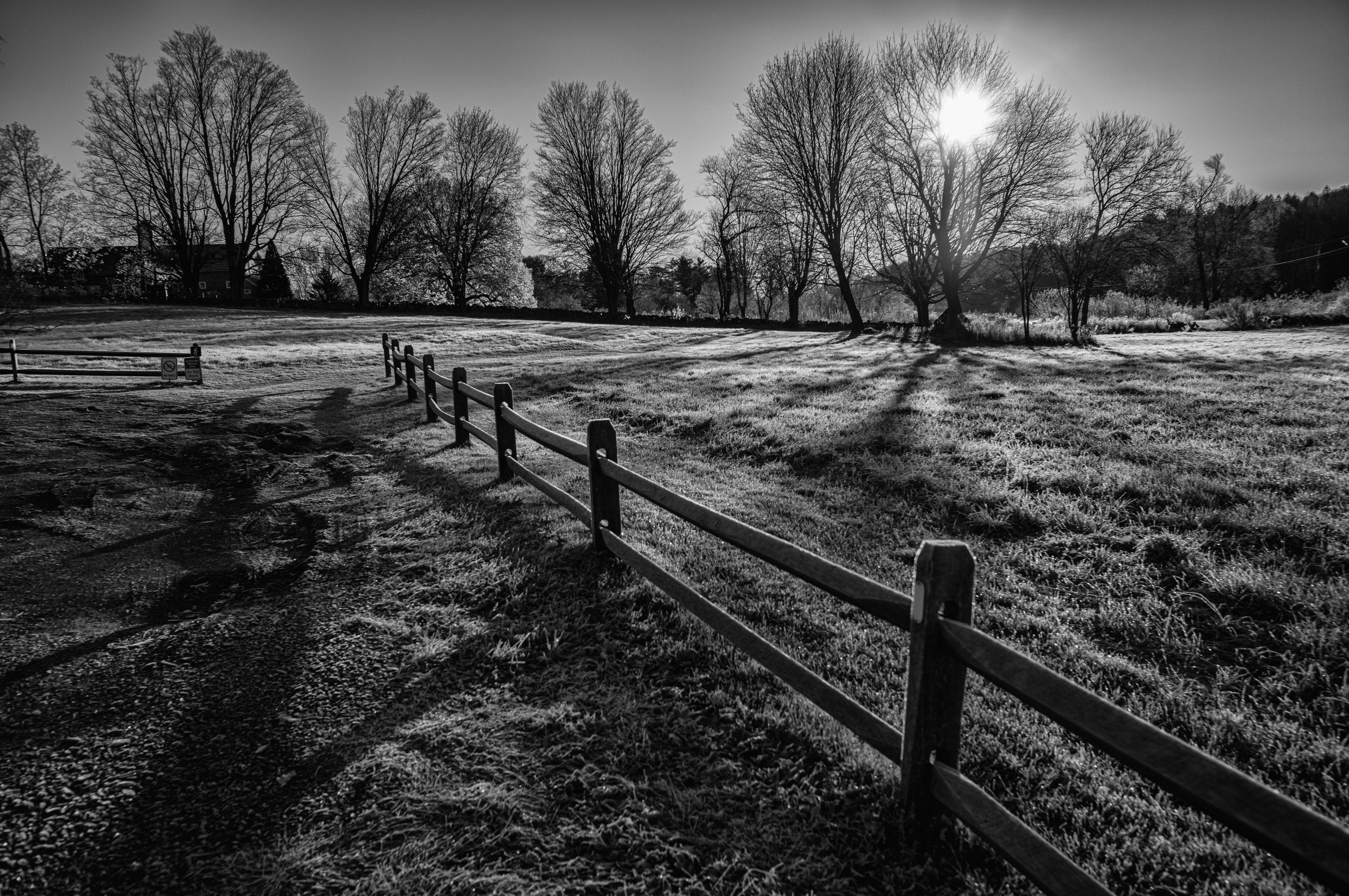
M11-P Elmar 28mm - Frosty field early morning
27 points
-
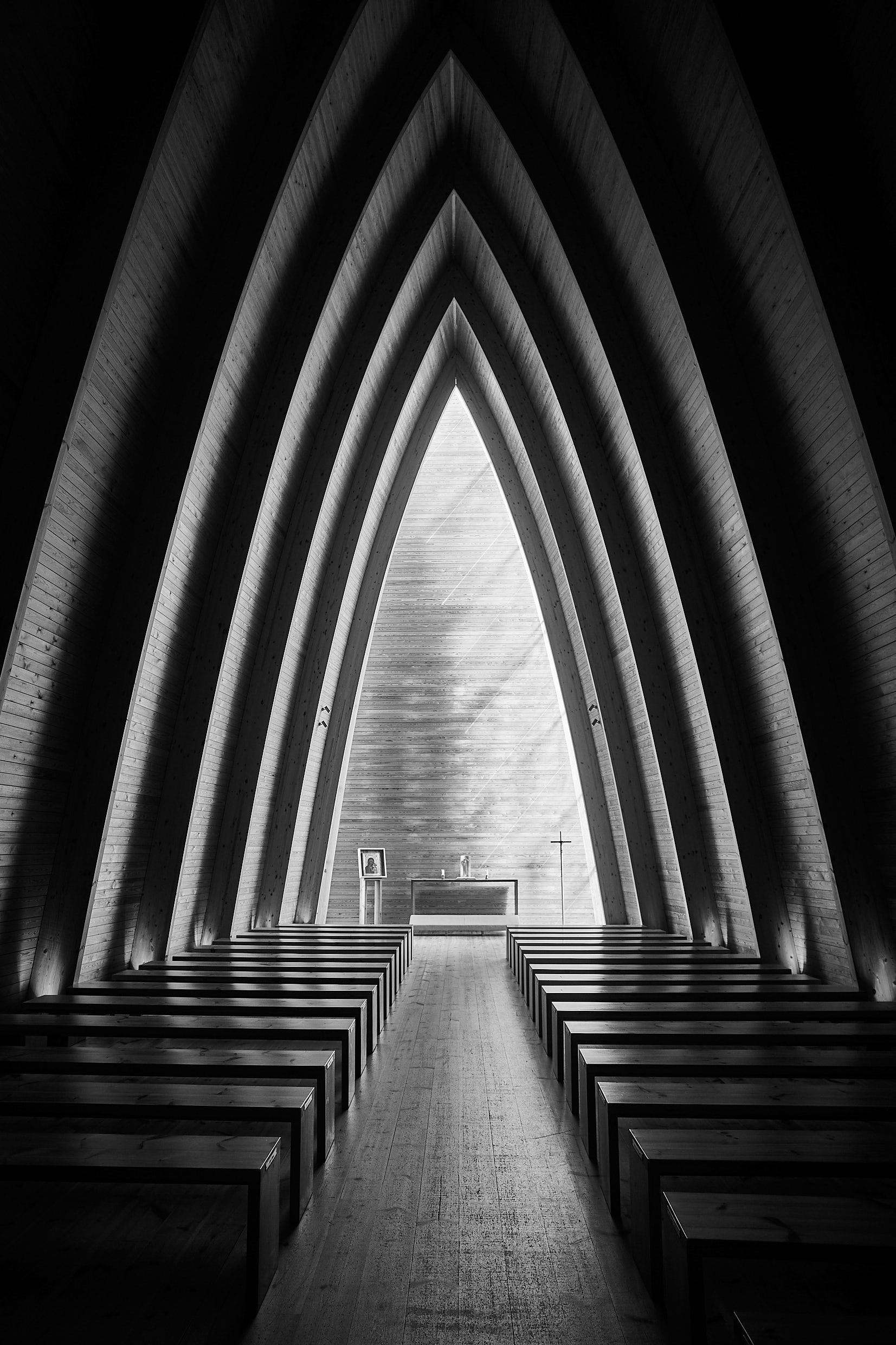
M10 - Summilux 50asph
27 points
-
It's quite logical indeed: the smaller the file size, the less work for the processor, the less load on the buffer.
27 points
-
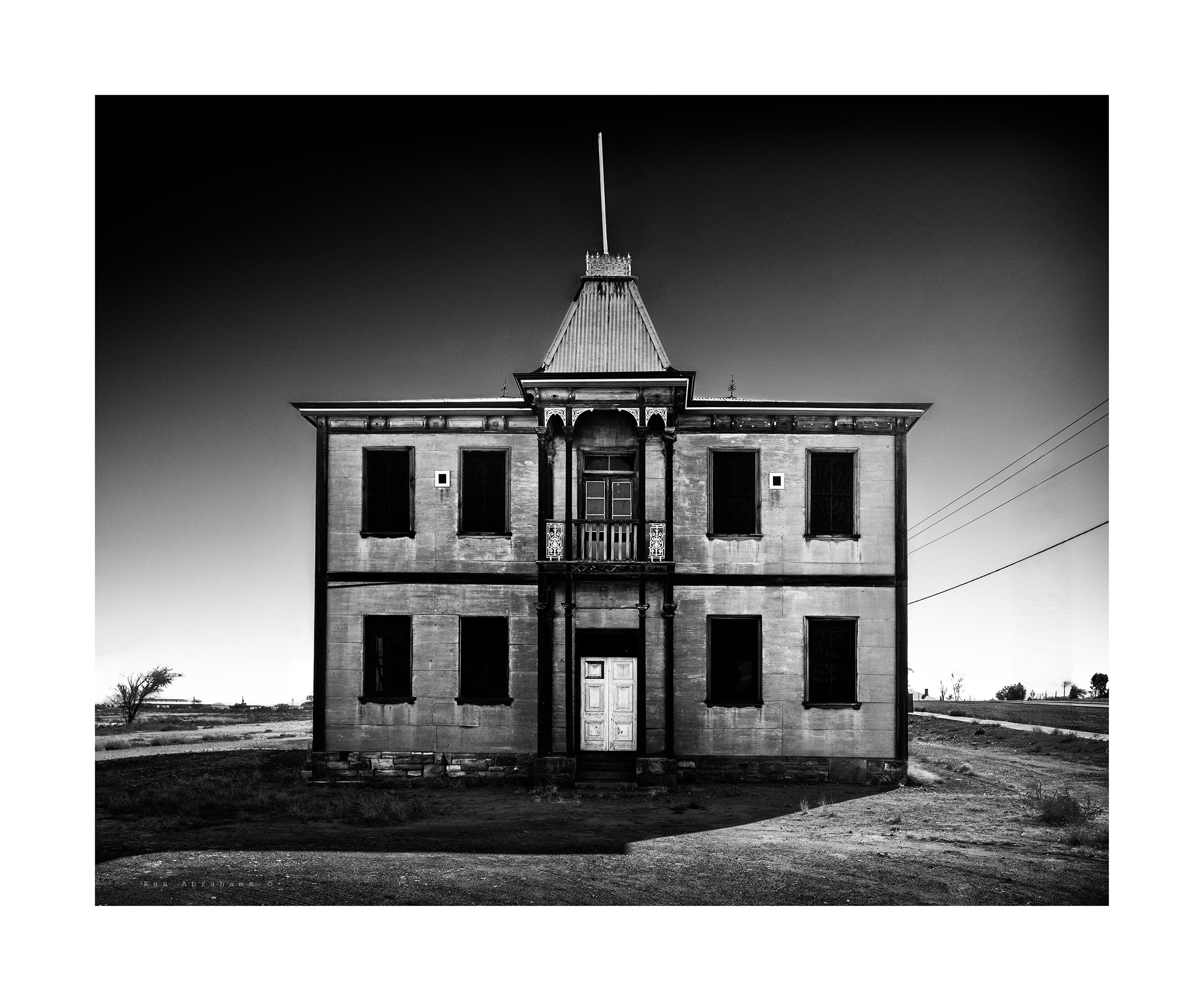
Late 19th Century architecture in the Goldfields context.The town of Cue had a population of ten thousand and it was the place to be back then. This building was a Masonic Lodge believe it or not. M10M Super Elmar M 21
27 points
-
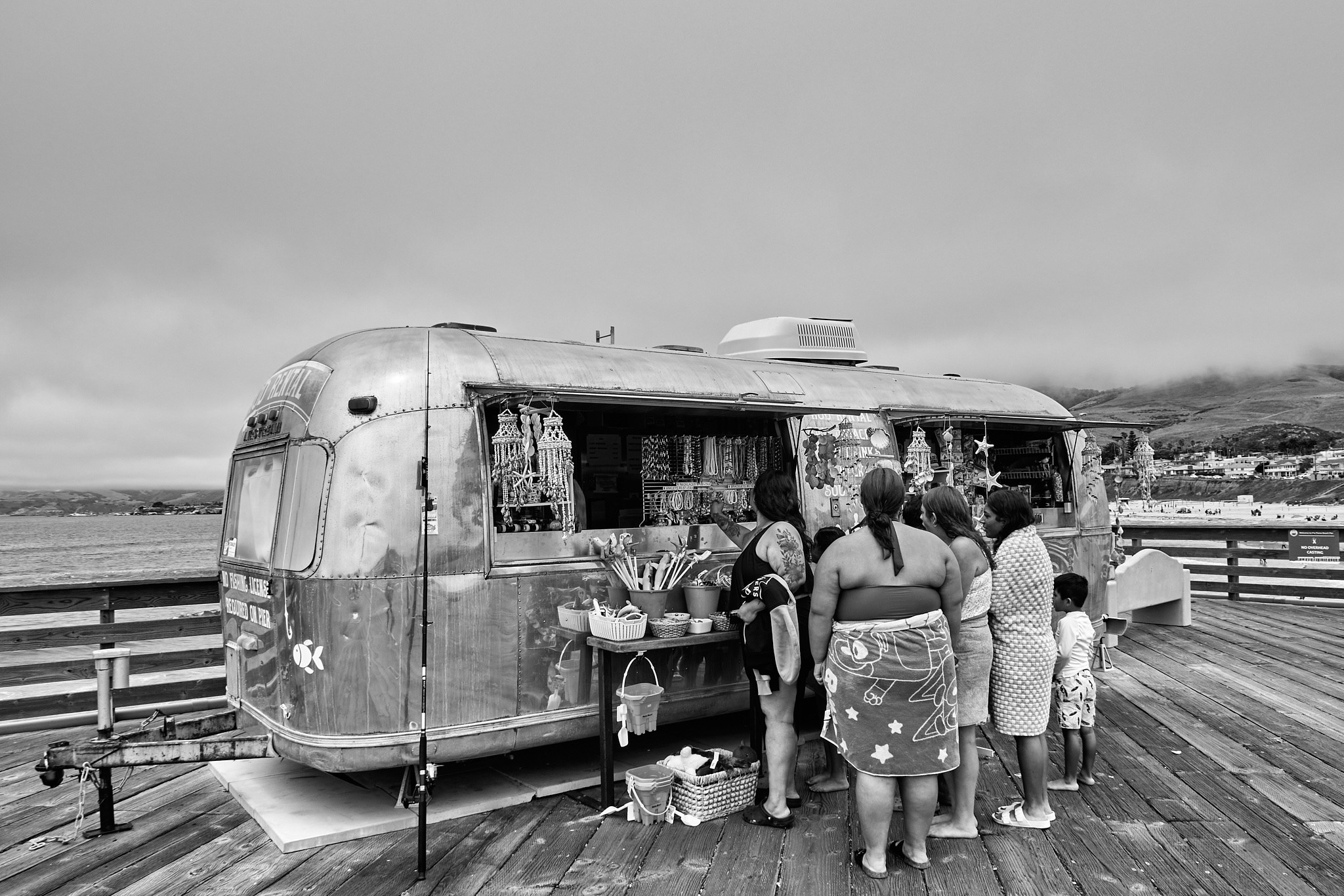
Shopping Pier (Pismo Beach, California. USA) Leica DLux8 * ISO 100 * f(8.0 * 1/250 sec * 10.9mm * CaptureOne
26 points
-
Practice Warm-up MP APO-Summicron-M 50 ADOX Mission
26 points
-
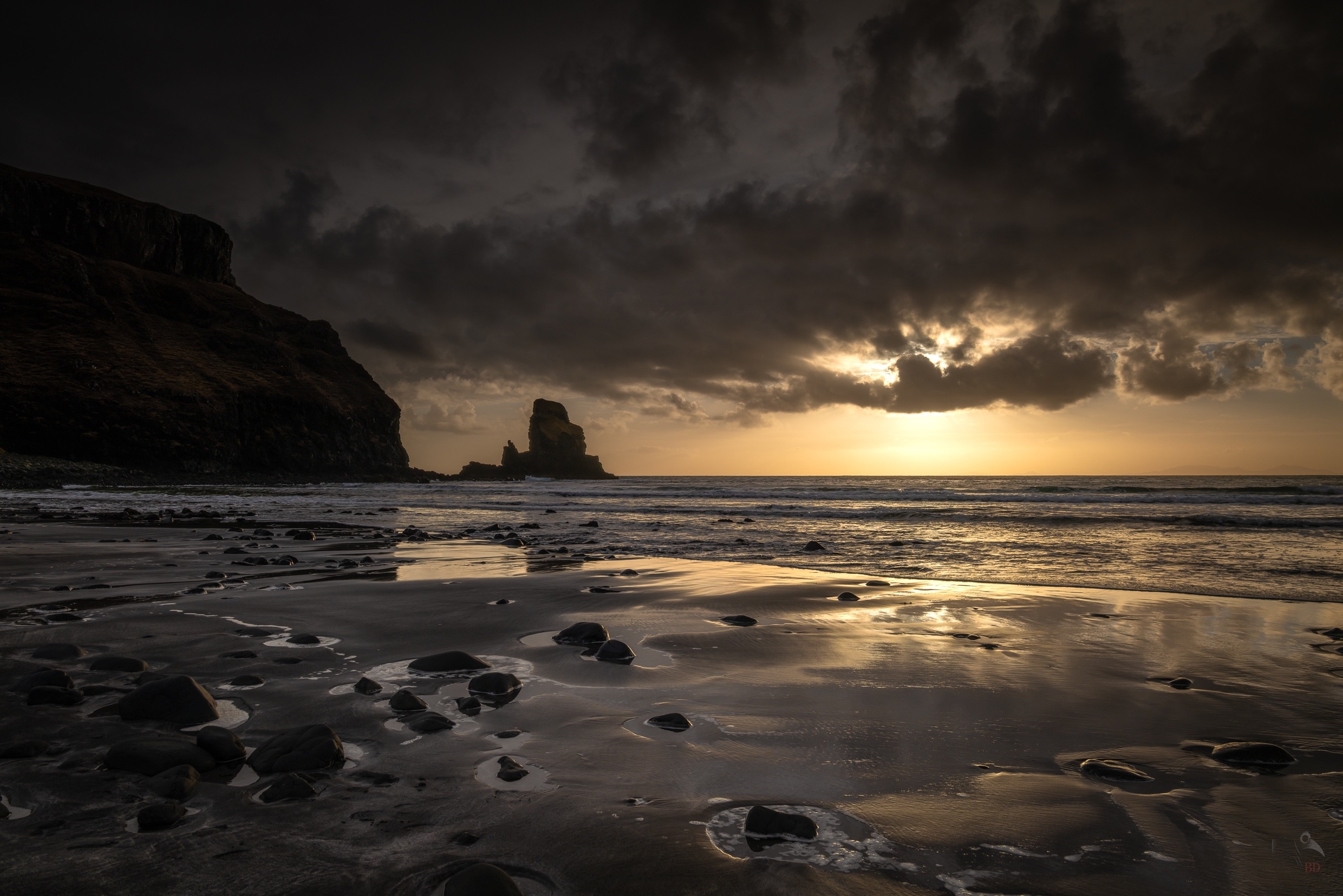
SKYE- Talisker Bay
25 points
-
25 points
-
M10-R - Summilux 50mm Asph
24 points
-
24 points
-
Hallo Day SL2s Nokton 1.1 50mm
24 points
-
The "Cookie Monster" in our garden
24 points
-
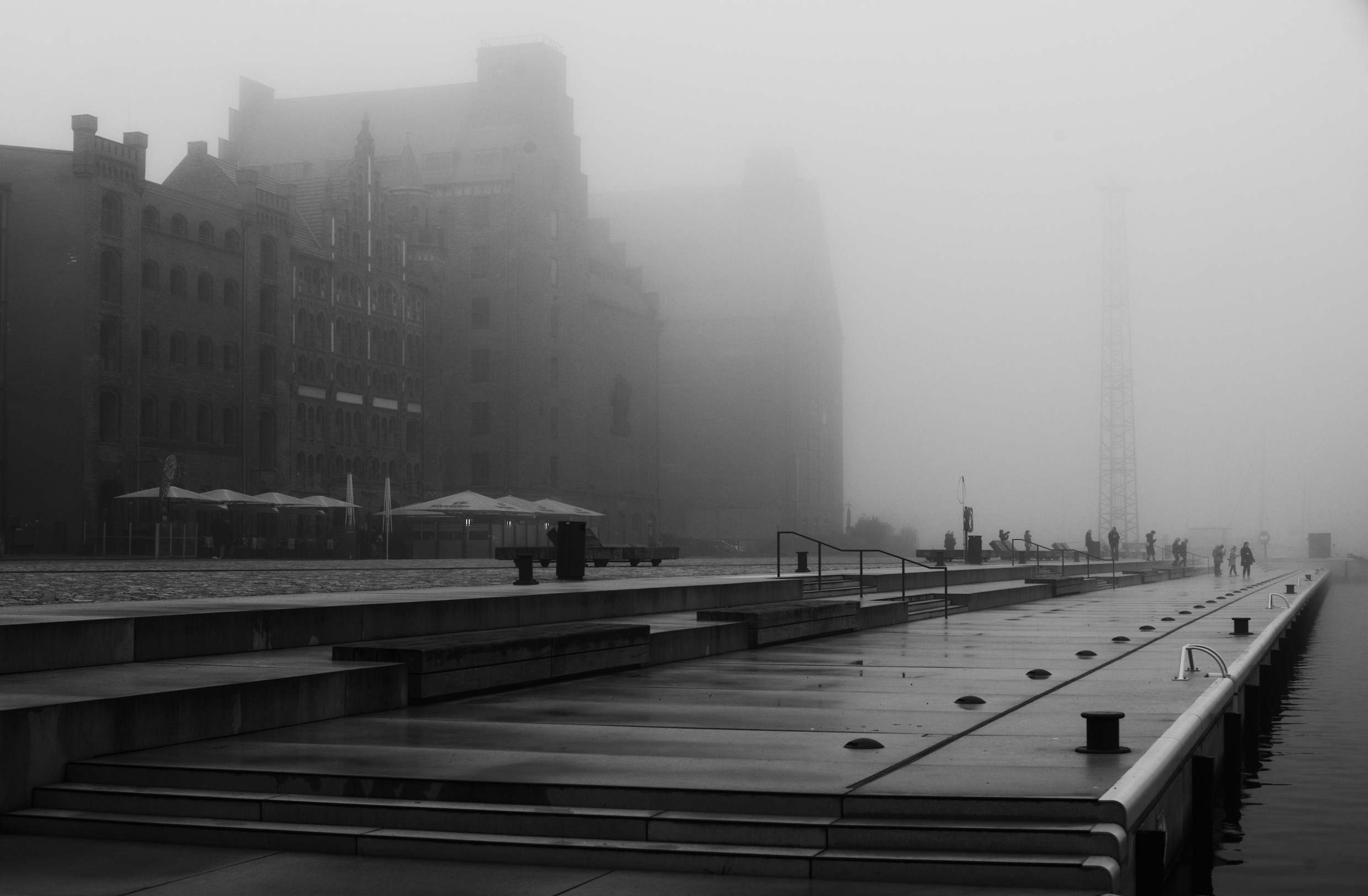
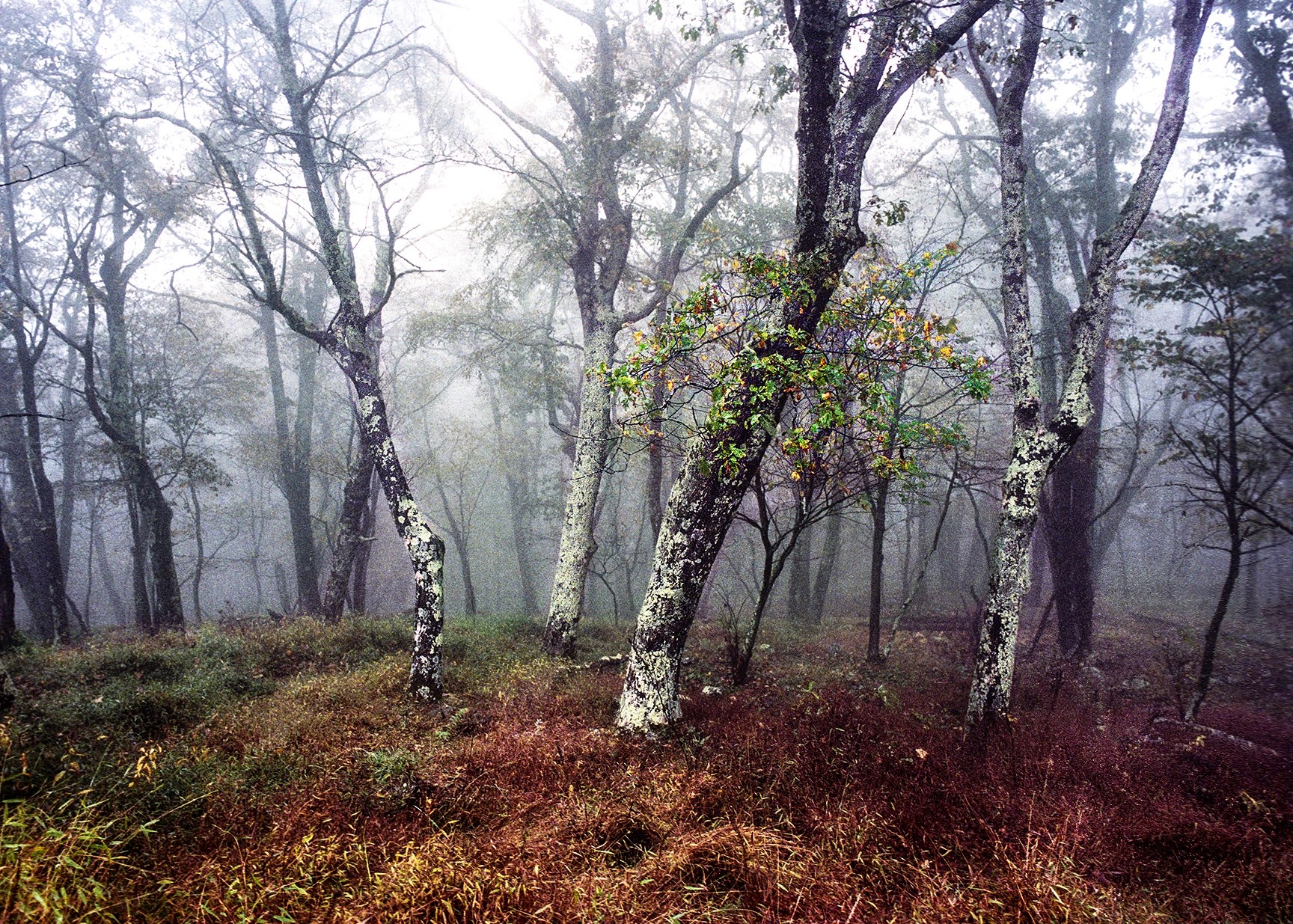
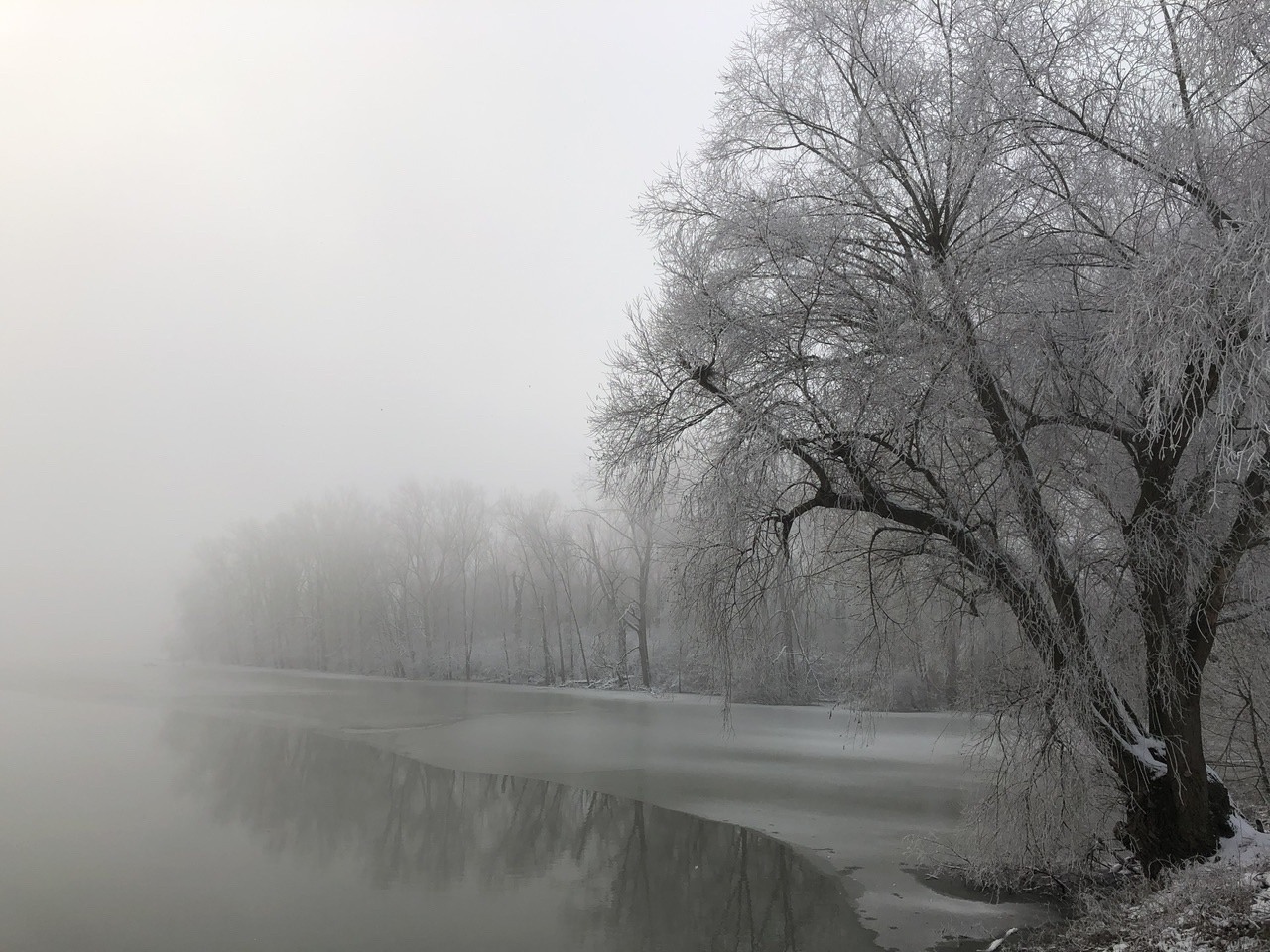
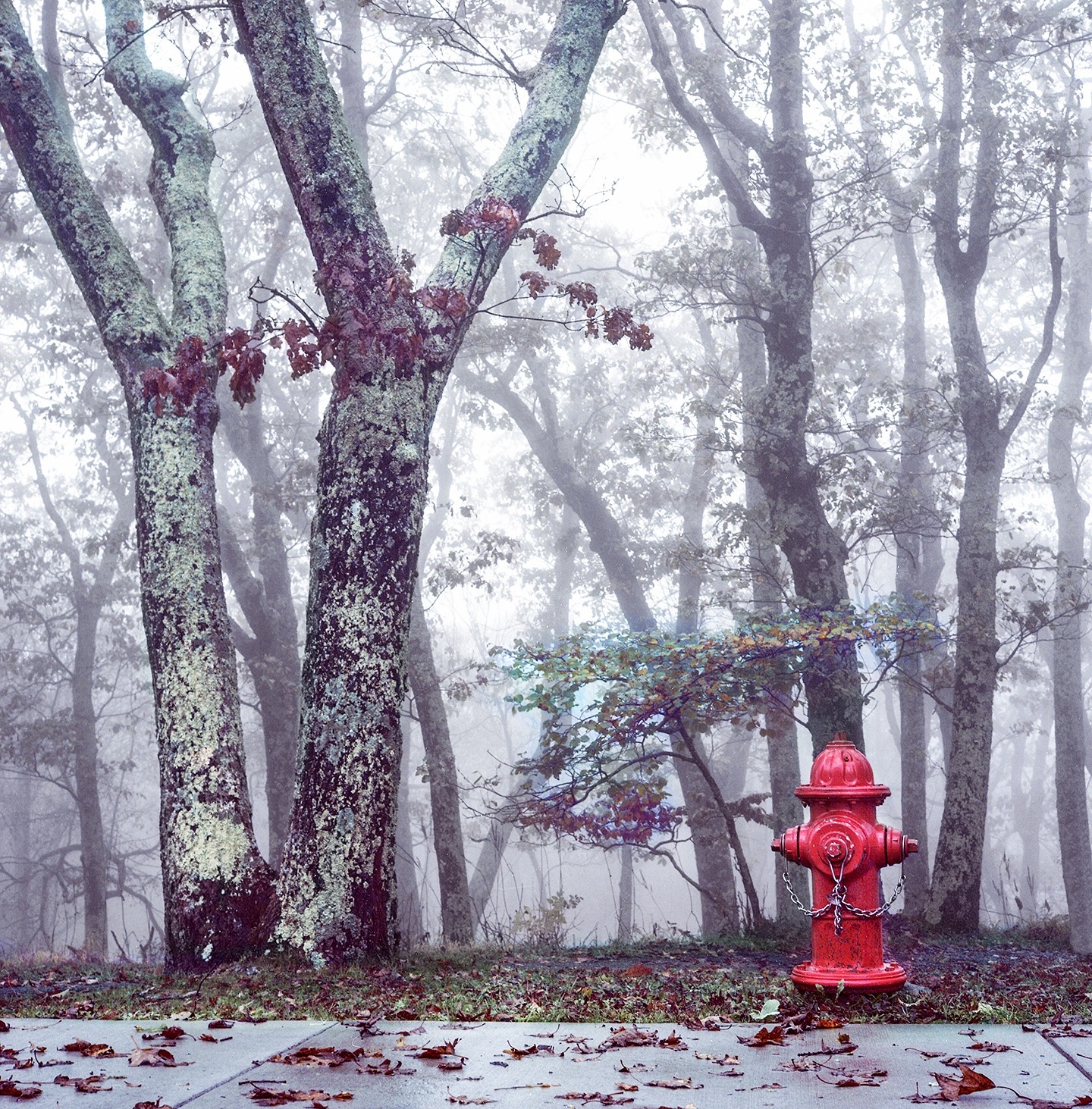
A misty morning Leica M10 + Noctilux-M 1:1/50
24 points
-
23 points
-
23 points
-
Suture (Found Erasure) MP APO-Summicron-M 50 Fujicolor Natura 1600
23 points
-
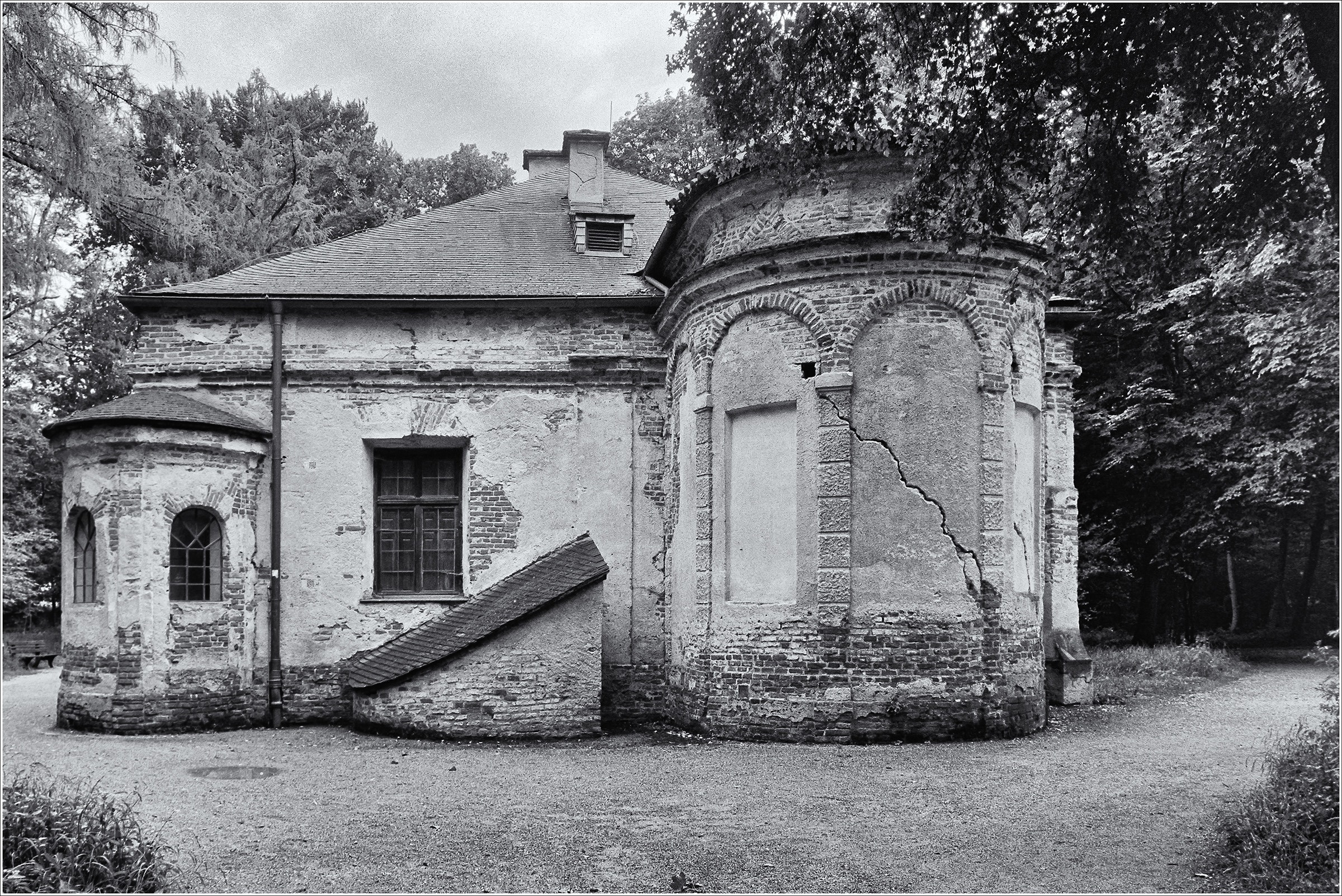
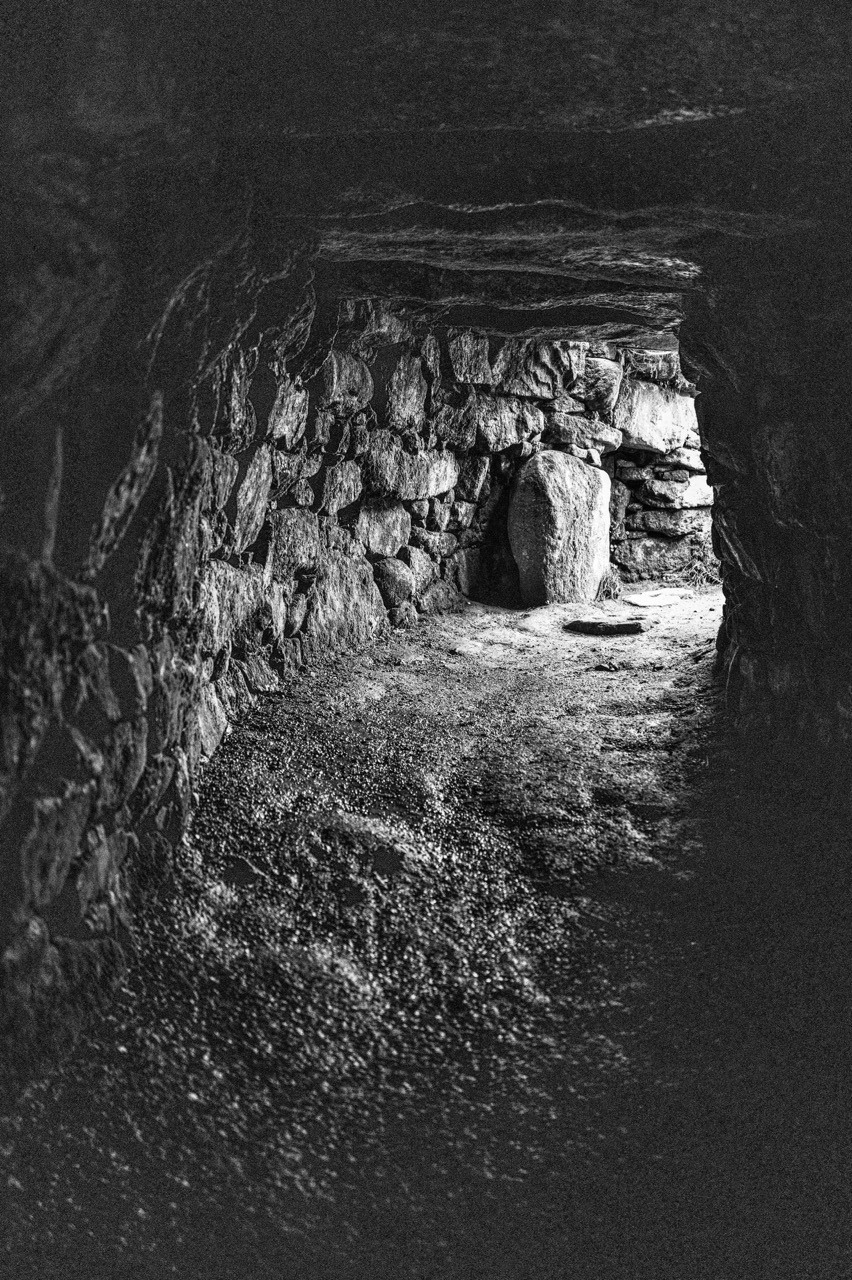
Artificial ruin ("Magdalenenklause") in Nymphenburg Palace Park (Munich), Leica M4-2, Zeiss Biogon 2,8/25, Ilford FP4+
23 points
-
Leica M10 + Noctilux-M 1:1/50
22 points
-
... ... das war's mal wieder 😊
22 points
-
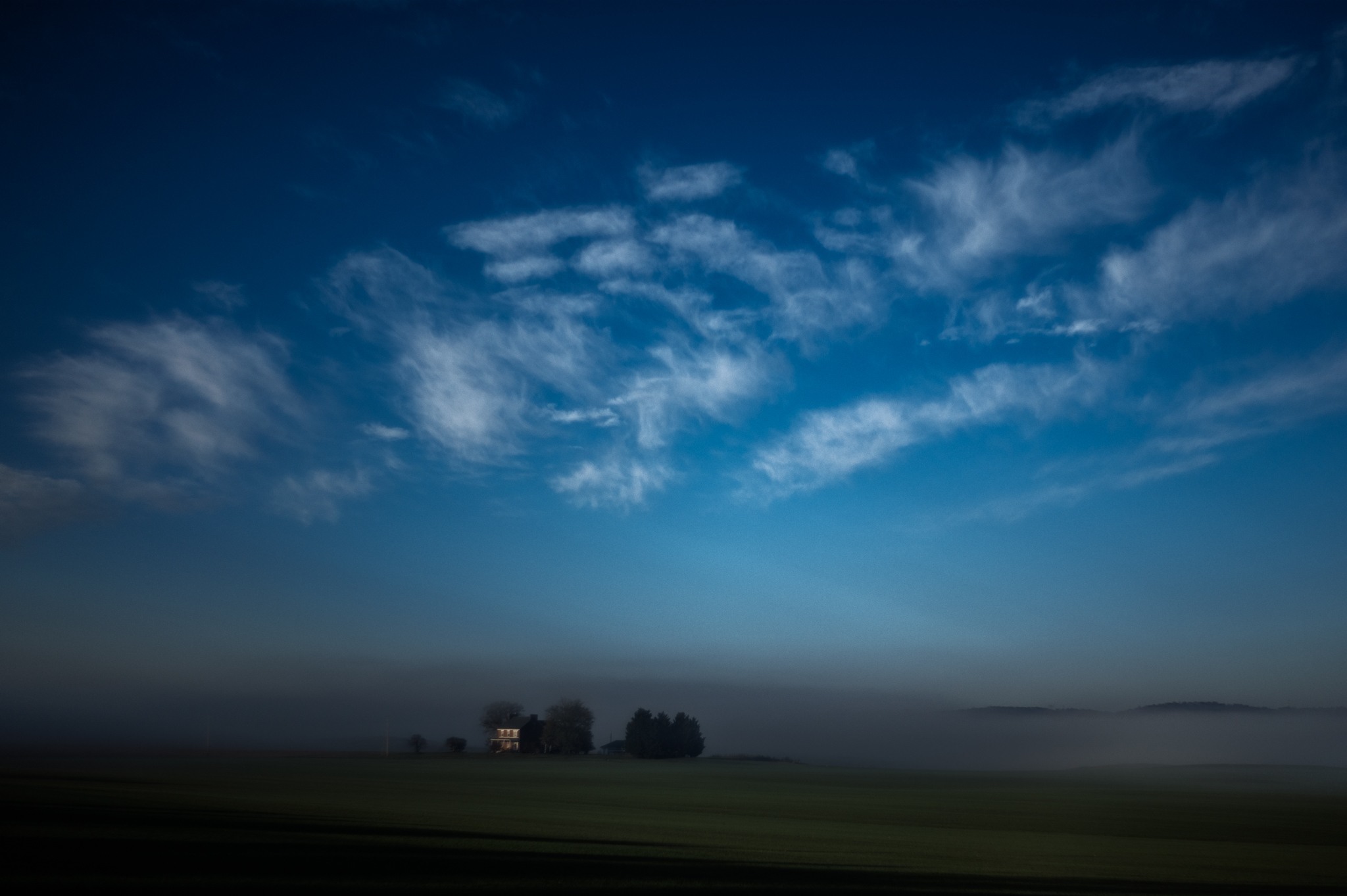
Foggy morning in Maryland - SL3/Summilux 35mm f/1.4 SRR
22 points
-
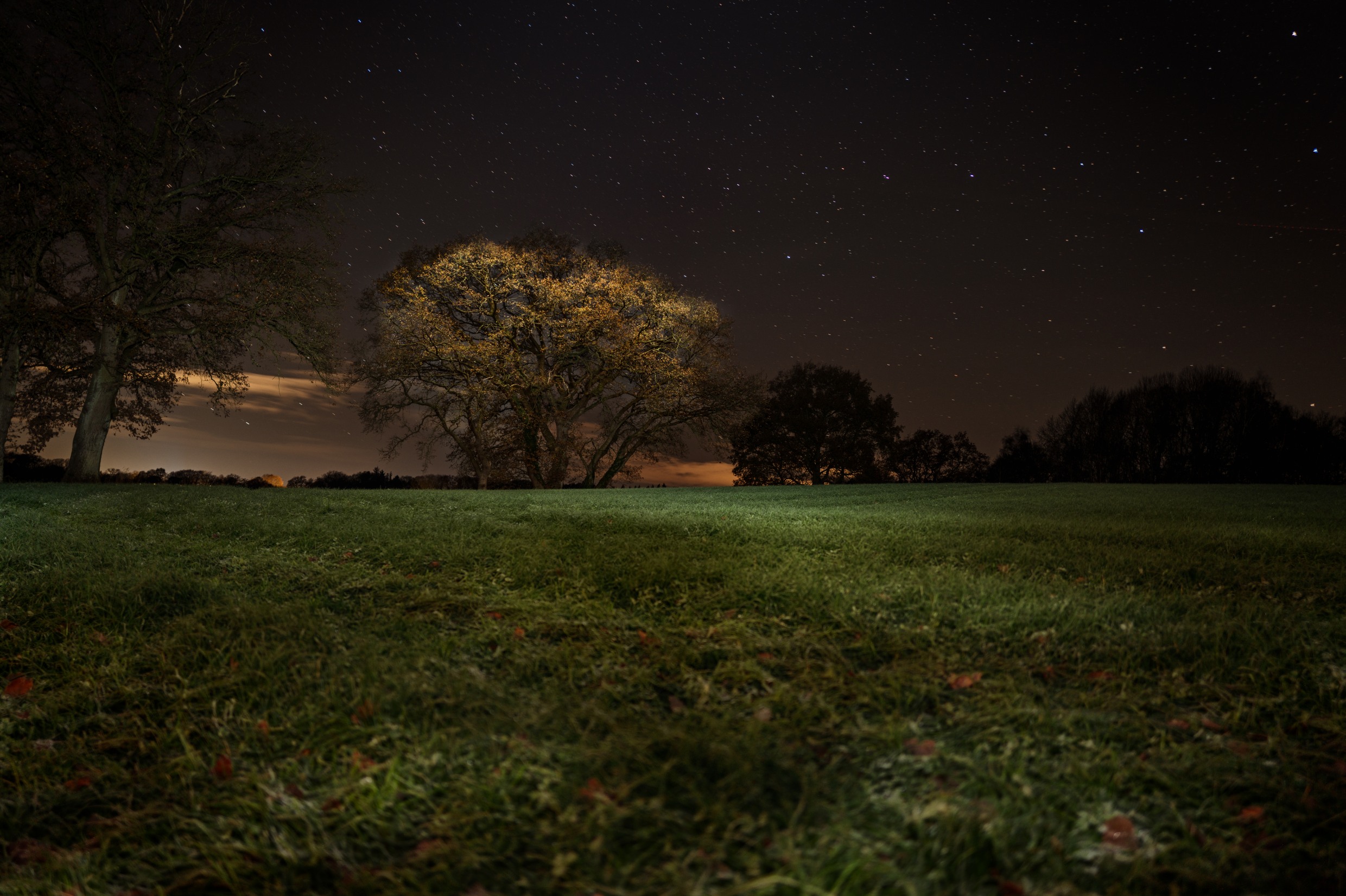
Tree shot with q3 and light with dji.
22 points
-
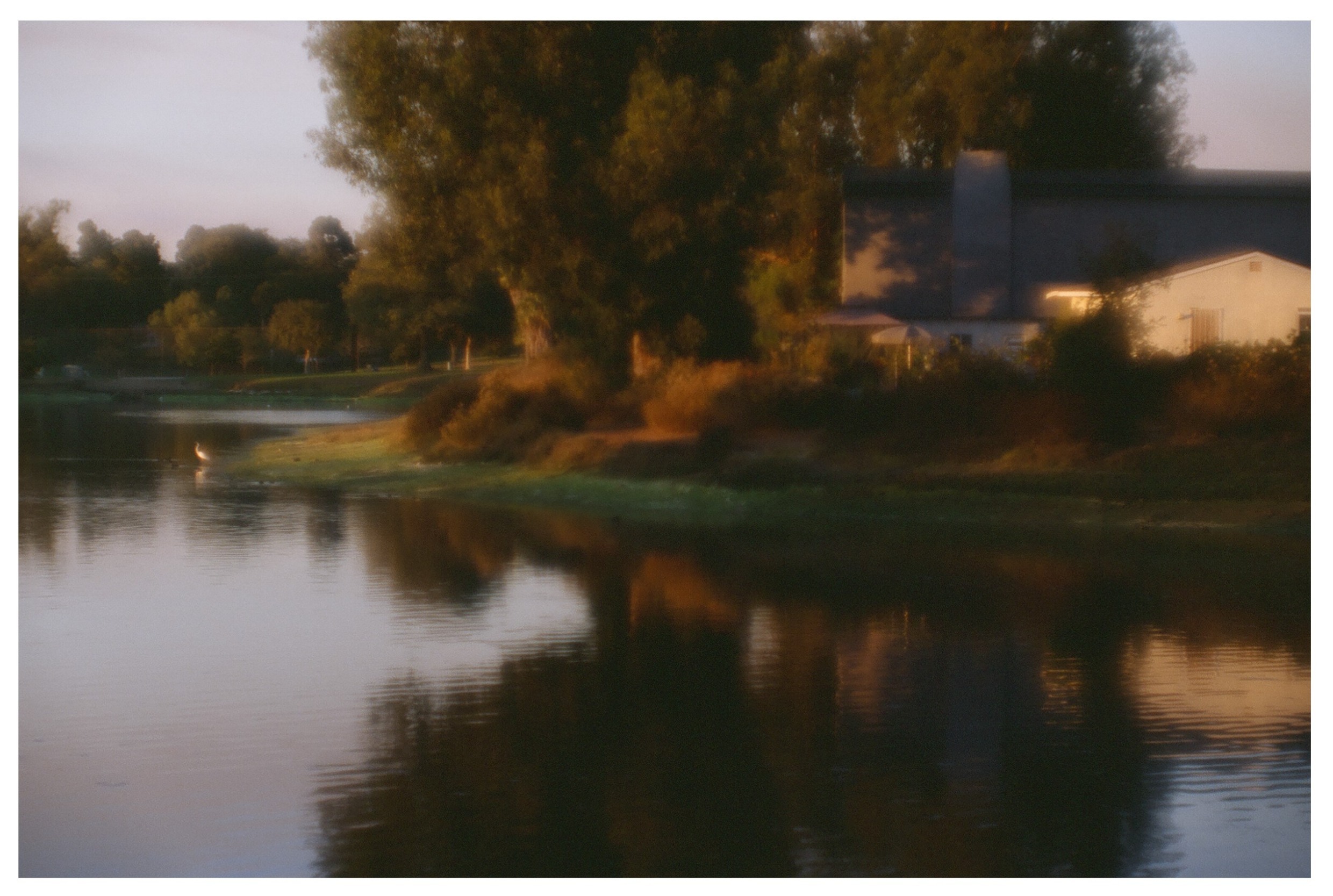
Lagoon MA Thambar-M E100
22 points
-
MP | 50lux asph | TMax 400
22 points
-
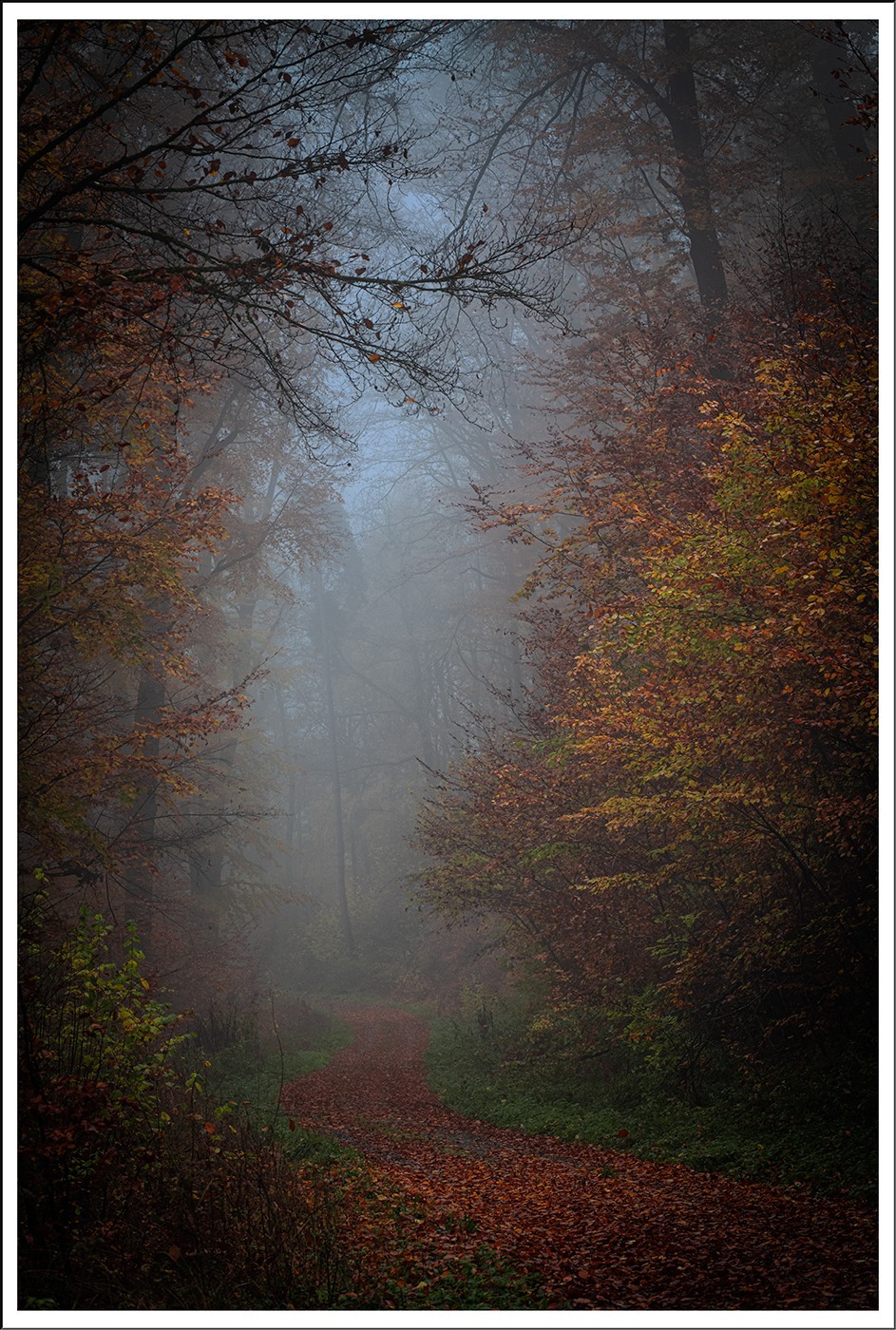
Today I had my beloved Super-Elmar 3.8/18 lens with me to capture the autumnal light.
22 points
-
Portra 400
22 points
-
Moon shot from a few days ago using the 135mm APO-Telyt21 points















.thumb.jpg.a8c0eceb5c93f775e75e8b4465e4cf9c.jpg)





















.jpeg.a730a46672b177542222d632969dcc80.jpeg)