Leaderboard




Popular Content
Showing content with the highest reputation on 12/14/2025 in all areas
-
I'm not much of a street photographer, but, here goes: M9M, Nokton 1.5/50 ii
 3 points
 -
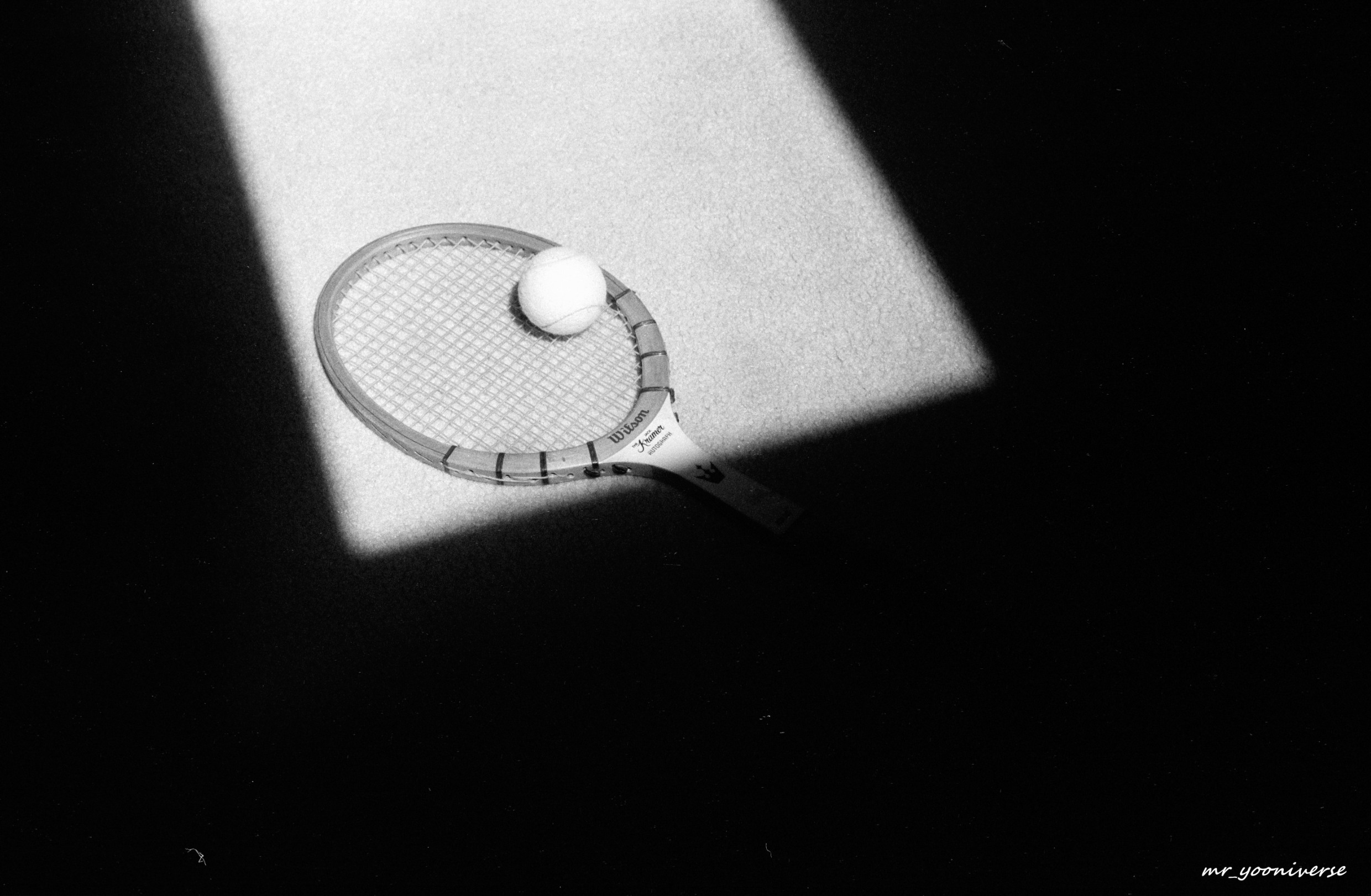
Tennis via Skylight 📷M2 👓Leica Summicron DR 50mm 🎞Kodak Tmax 100
3 points
-
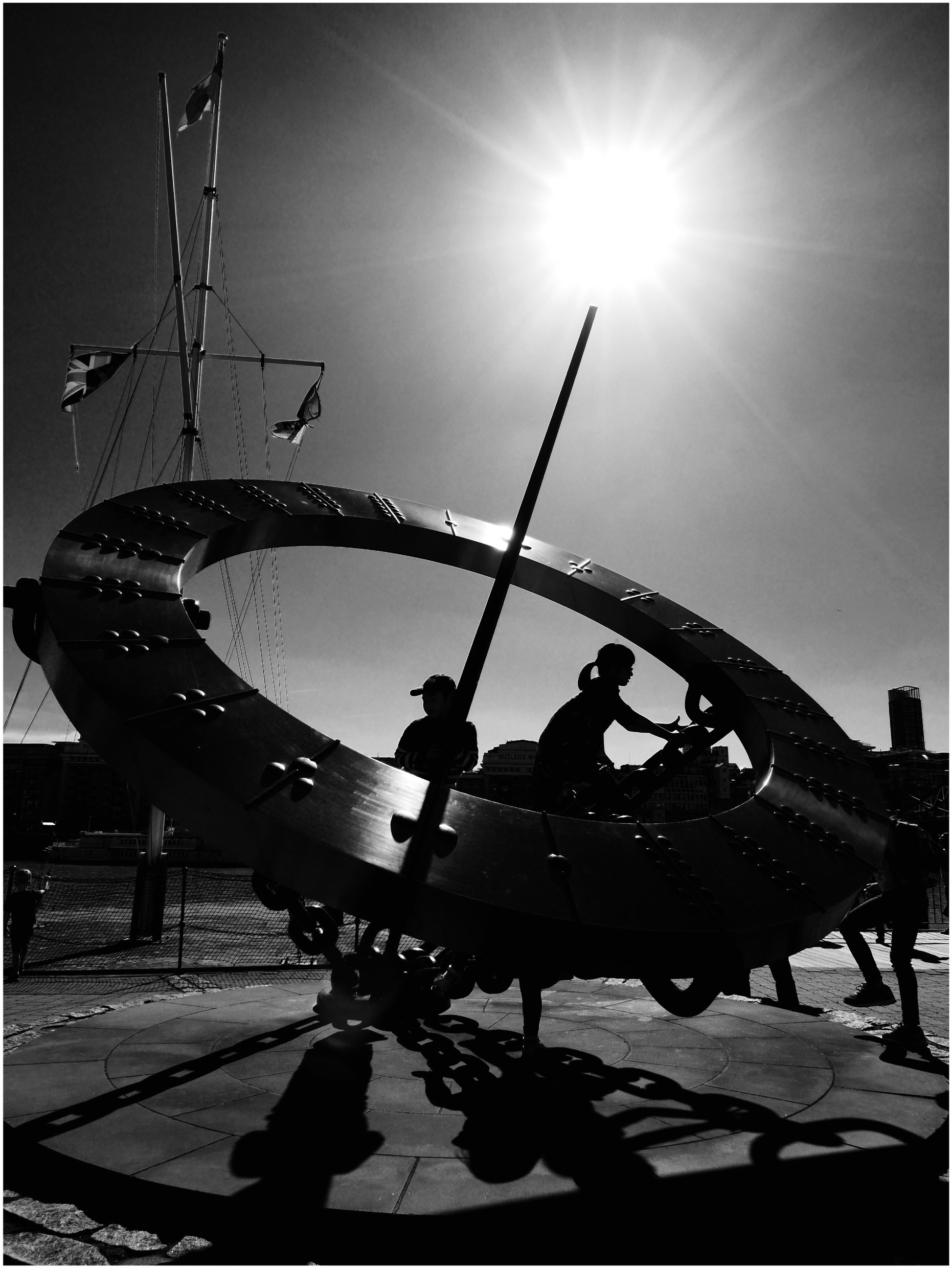
On an evening walk along the Thames Summaron 35/2.8 + NEX63 points
-
Geese 📷M-D Type 262 👓Elmarit 24/2.8
2 points
-
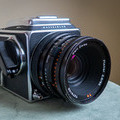
500C/M and CF80 Planar.
2 points
-
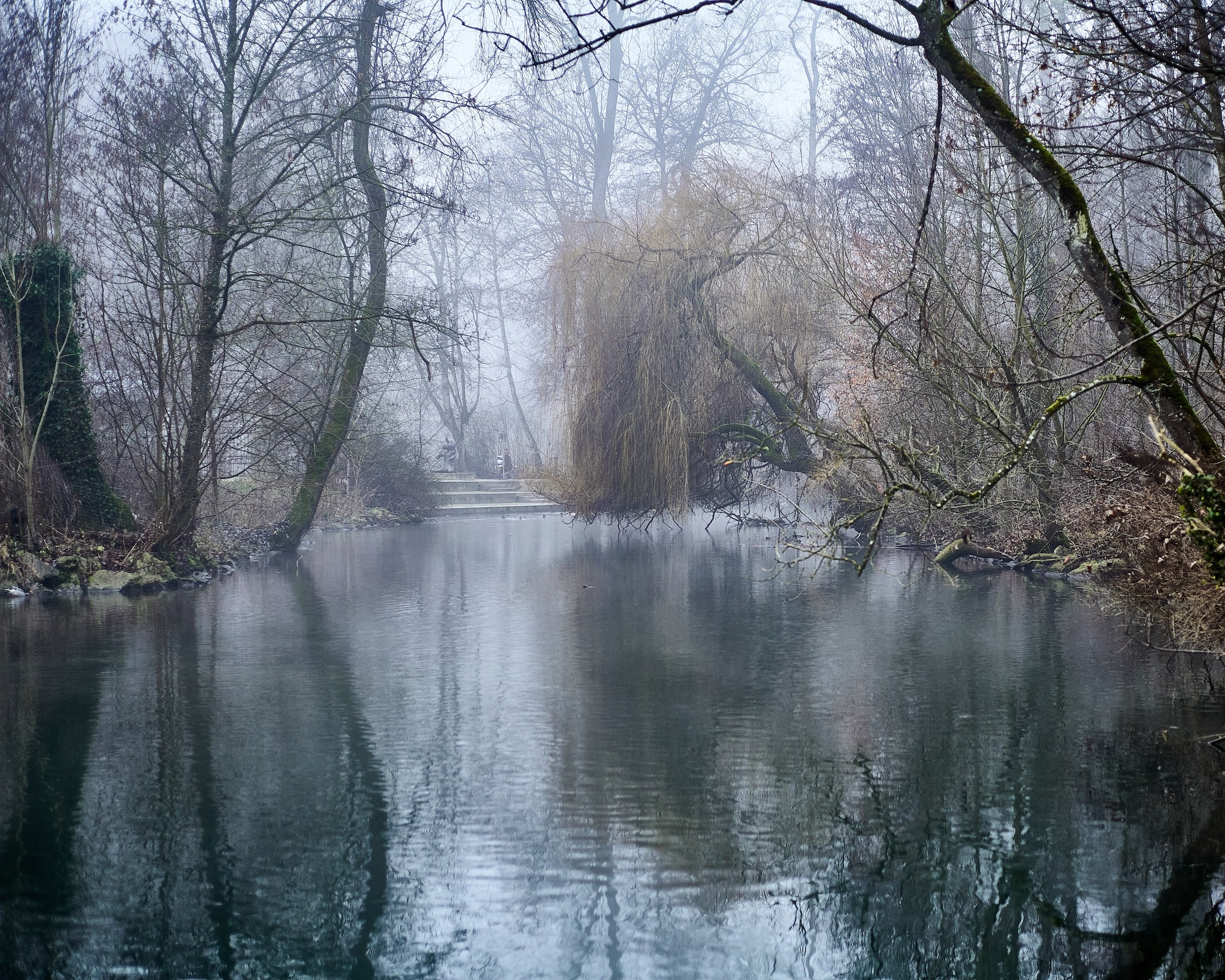
Foggy morning D-Lux 7.
2 points
-
2 points
-
Roof top X Vario.
2 points
-
Ladder(s) Elmarit 90/2.8 + Sony A7ii2 points
-
Cable car silhouettes across the Victoria Docks, London Summaron 35/2.8 + NEX62 points
-
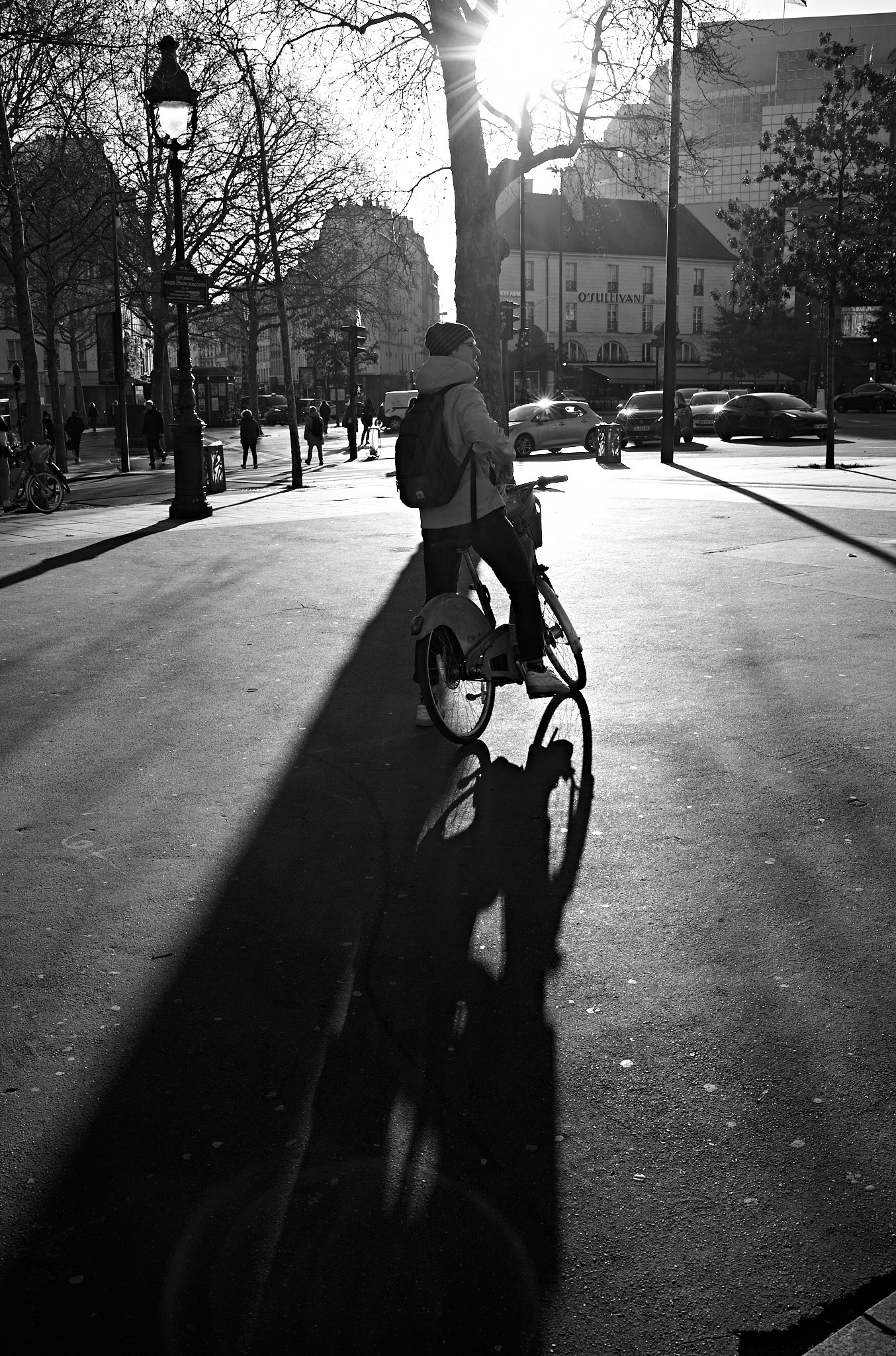
in Paris 35mm Summilux
2 points
-
A foggy winter day... SL3, 24-90
2 points
-
SL3 + Pana 50 f/1.42 points
-
1 point
-
1 point
-
Another record shop, East London M10-D, 35mm Summilux pre-asph v2
1 point
-
X Vario.
1 point
-
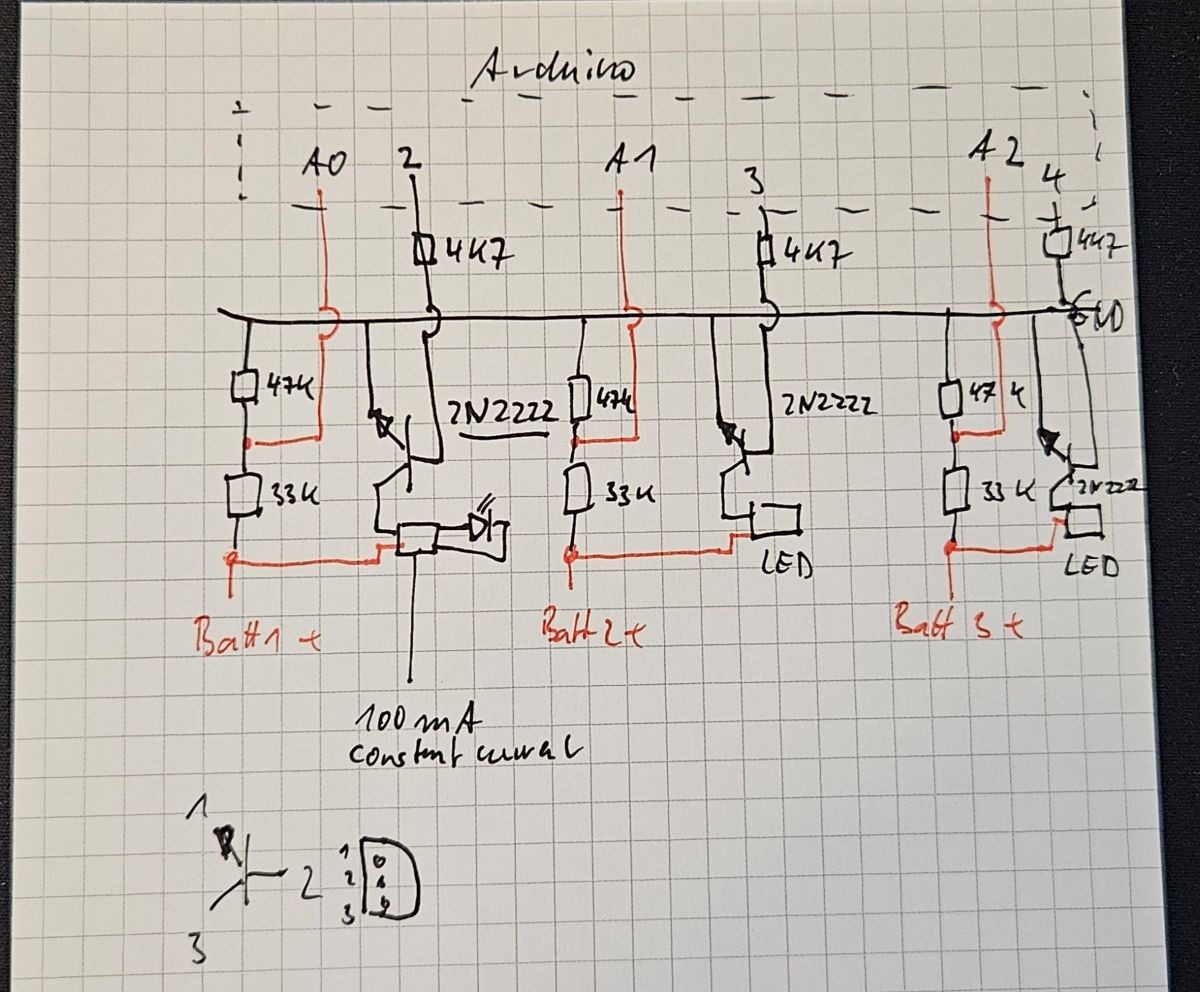
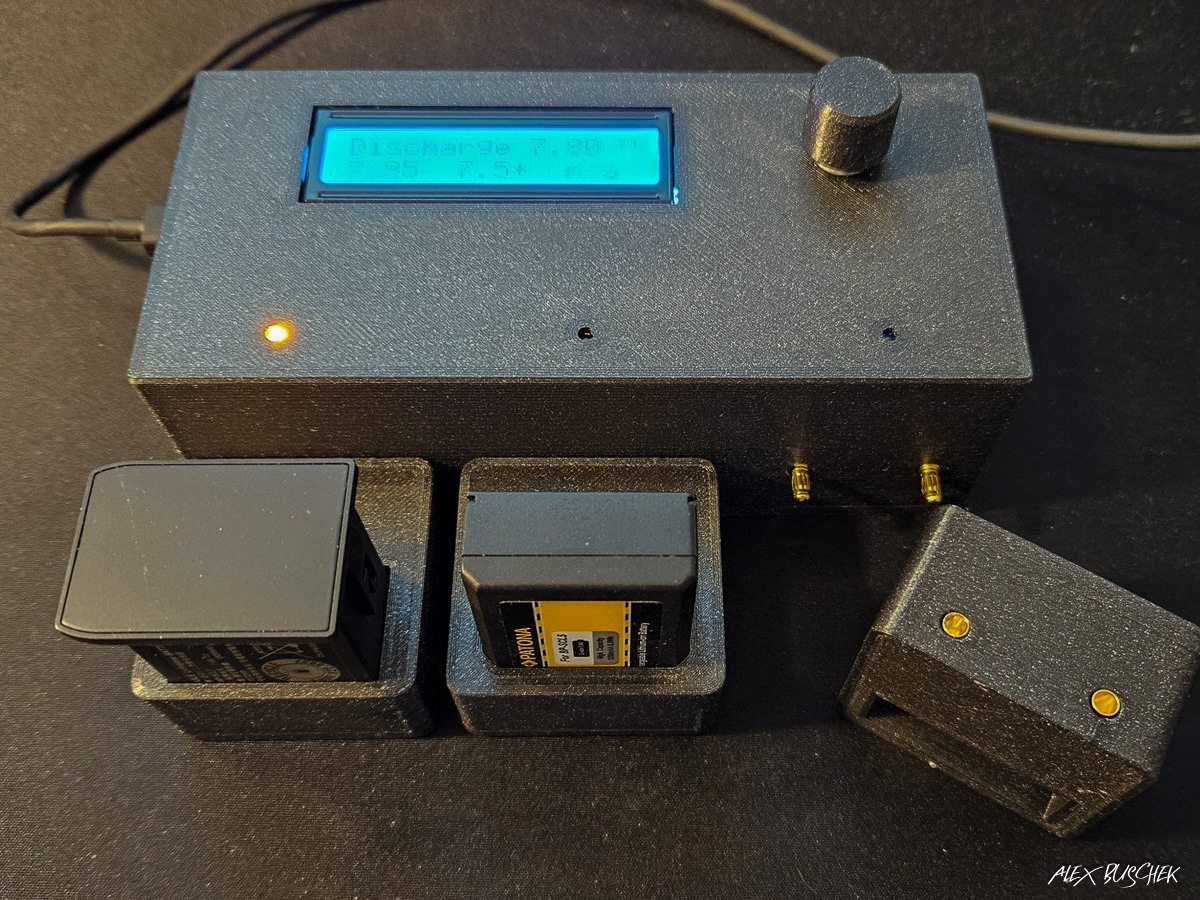
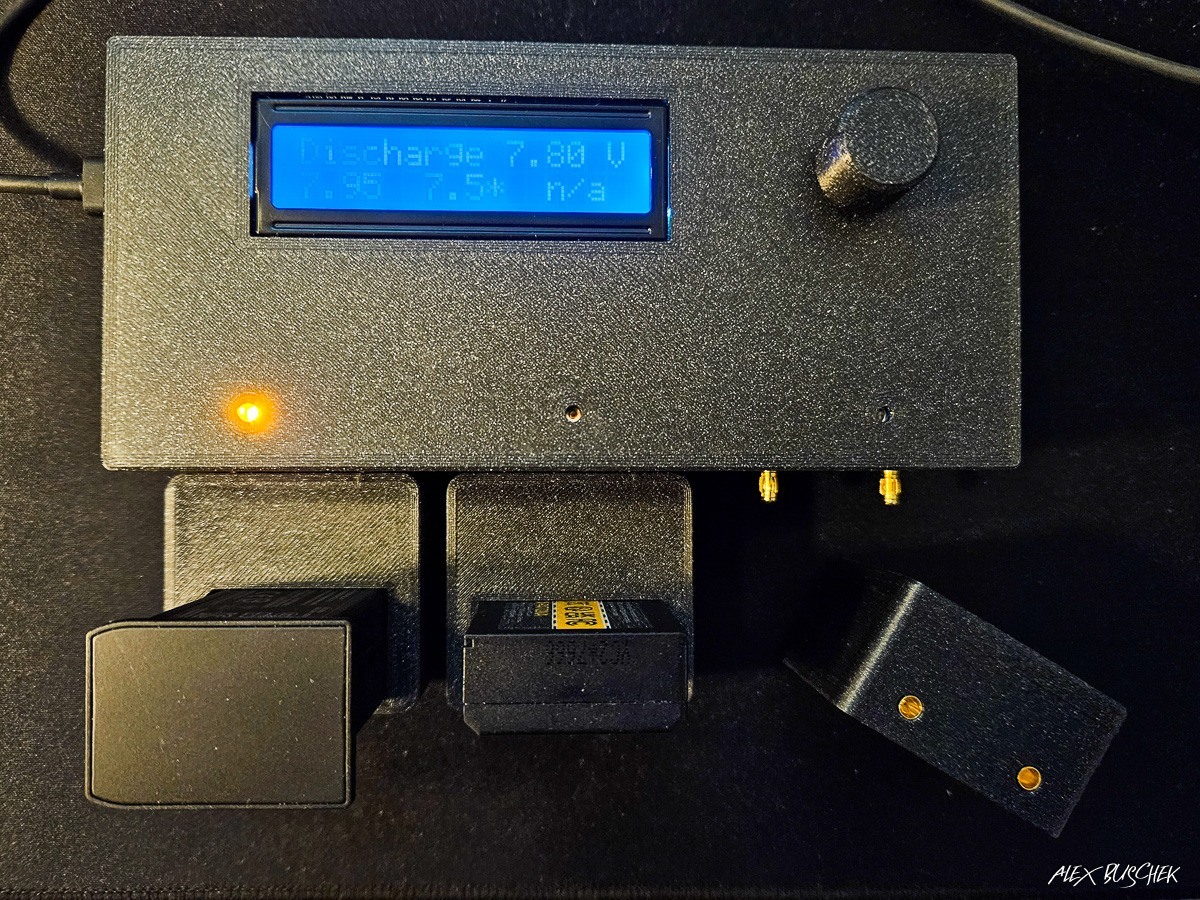
I thought about it a bit more. My typical use case is: I mainly use my cameras on vacation. I have a 50h/w job and barely find time to do photography on weekends, let alone during the week. That means sometimes my batteries sit fully charged for weeks. This may work but common knowledge is that this is far from ideal. Storing batteries with 80% is much better. When I come home from vacation most of my M10, M11 and DL8 batteries are fully charged. As I love tinkering I came up with the idea to build a discharging station. It was supposed to be a rather simple Arduino sketch but I ended up with >300 lines of code that deals with everything including the ability to adjust the discharge voltage between 8V and 7.4V. This is the approach (for those who are as "Monk-ish" / nerdy as I am): Discharge the battery with a rather moderate load that can be easily accomplished. I opted for a 0,5W Power LED that is fed by a 100mA constant current circuit when discharging. Every minute of discharging the LED will be switched off and after 2s the no-load voltage of the battery is measured. If the measured battery voltage is lower or equal the entered discharge voltage, the discharging process is stopped. There are three independent channels. I printed battery bays for the M10, M11 and D-Lux 8 batteries. As this is exchangeable I could also print a second M10 bay so I can discharge two M10 batteries at the same time. Measuring the voltage with an Arduino is relatively simple. With two resistors a voltage divider is built that brings the max. 8.4V down to 5V which is the max voltage an Arduino can deal with in the analog input pin. I checked my calculated voltage with my rather expensive Fluke multimeter and it works surprisingly well. Switching the LED on and off is simply done with a 2N2222 transistor. Why the 2N2222? Because I have a box with 200 of them lying around. This is my (very crude) diagram: And this is how my little device looks like: To change the discharge voltage threshold you just push the knob. Then the voltage in line 1 starts blinking and by turning the knob it can be adjusted in 0.05V steps up and down. Discharging with 100mA only obviously takes a while. The M11 battery has 1800mAh. Draining from full down to 80% (360mAh) will take roughly three and a half hour which is reasonable. Conclusion: Was it necessary to design and build such a device? Of course not! Was it fun, challenging, and pleasing writing the code, designing the parts in Fusion 360 and eventually build everything? Absolutely! It is so rewarding watching the device doing what I wanted it to do. Nerdy greetings Alexander
1 point
-
Same Park (M10-P + Summicron-M 1:2/50 Typ IV)
1 point
-
Fog in the park (M10-P + Summicron-M 1:2/50 Typ IV)
1 point
-
Same conditions as post #3660 only this time with VLux5.
1 point
-
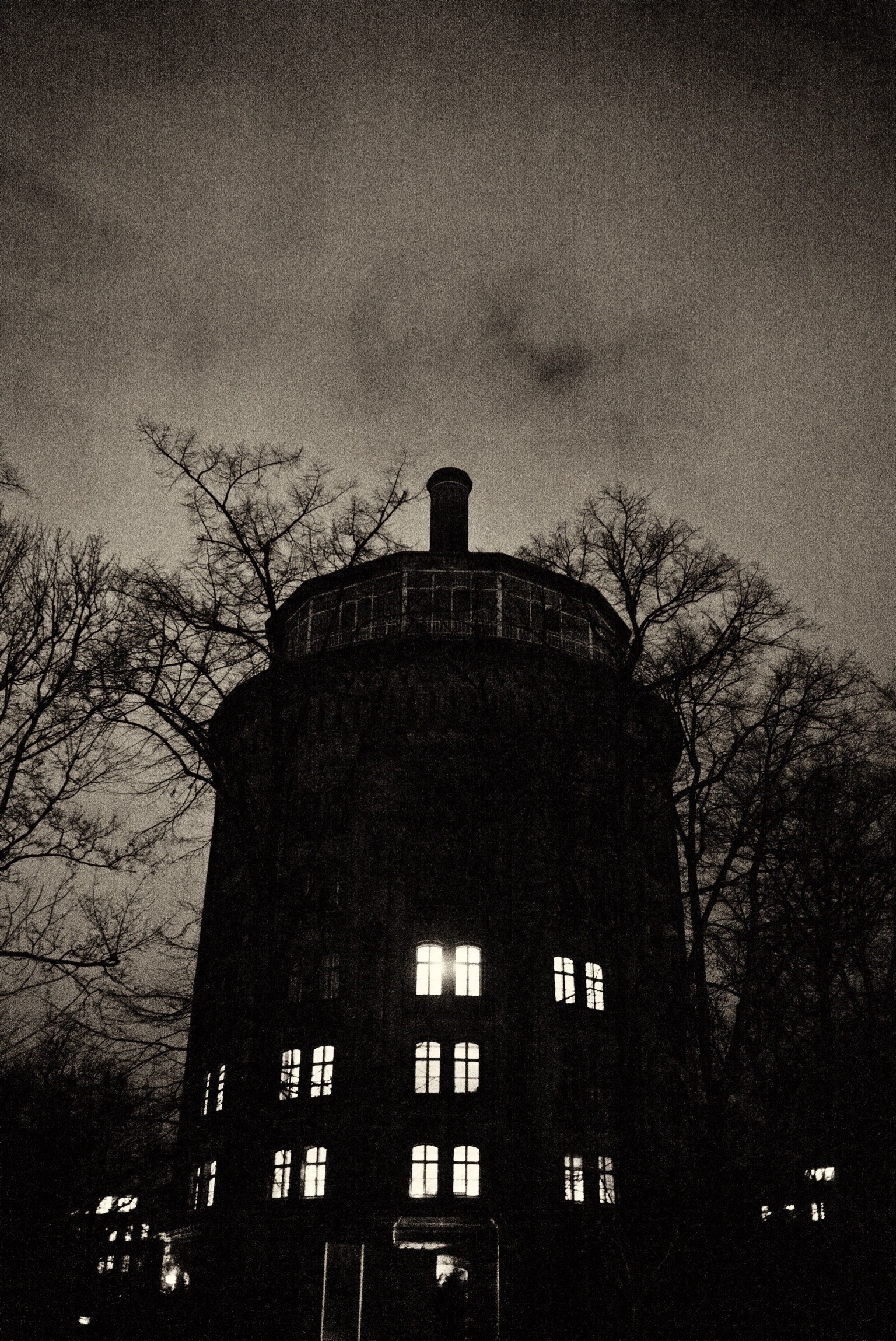
Berlin M240 + Summarit 35mm
1 point
-
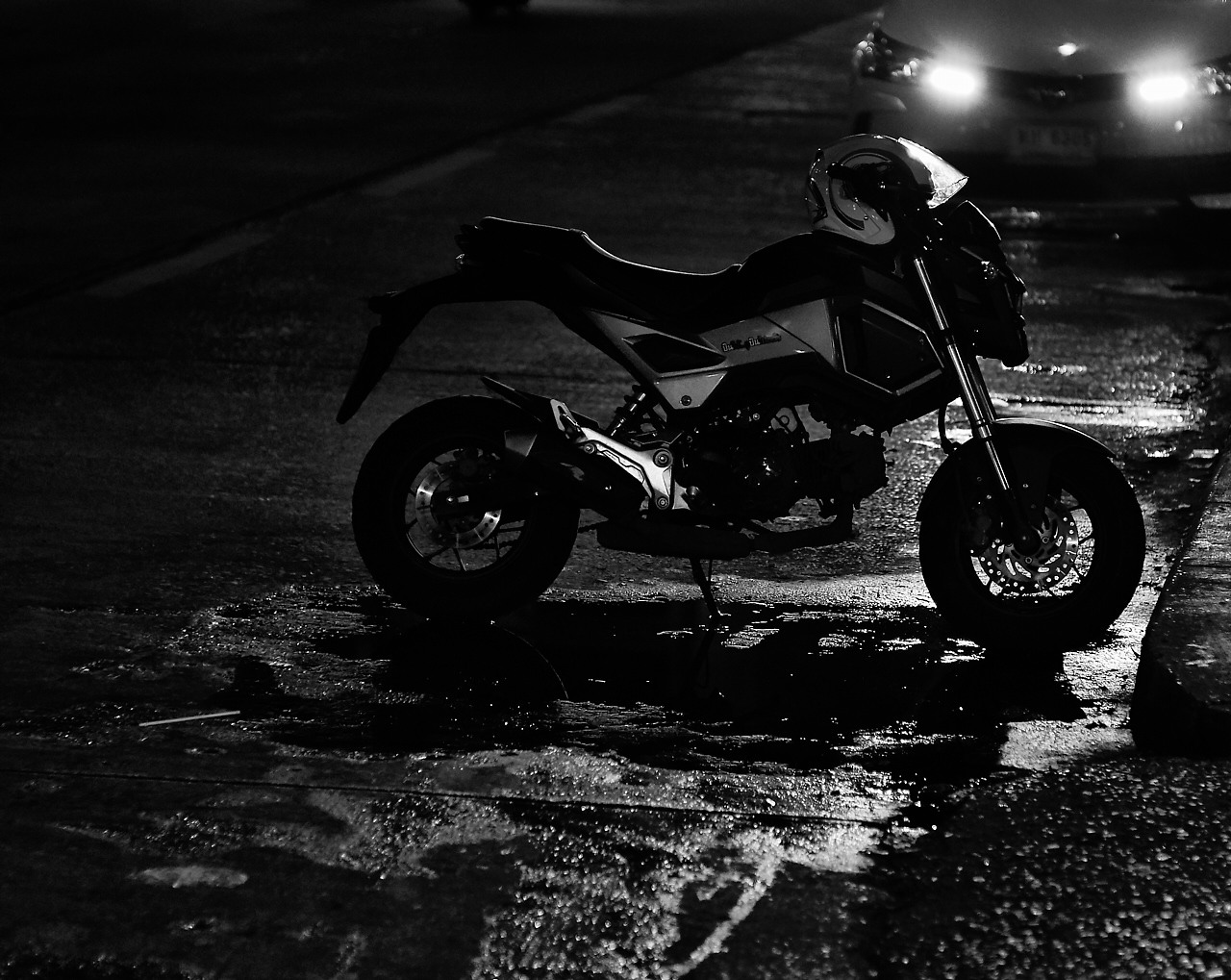
Fuji X-H1 + Leica 50mm f/1.4 Summilux-M ASPH Bangkok
1 point
-
A bakery prize to make you happy . . M10r
1 point
-
I used the Nikon F-Z adapter for my converted R lenses but like you converted them back to R spec when I decided to get another R body (I got two, an R-E and an R9). To convert them to F mount I used an Urth kit which I guess is simply a quality controlled Chinese conversion kit, but they worked very well. I now use a Novoflex R-Z adapter to put my R lenses onto my Nikon but as it's only a spacer any cheaper adapter would be as good. The larger diameter Z mount certainly makes things easier.1 point
-
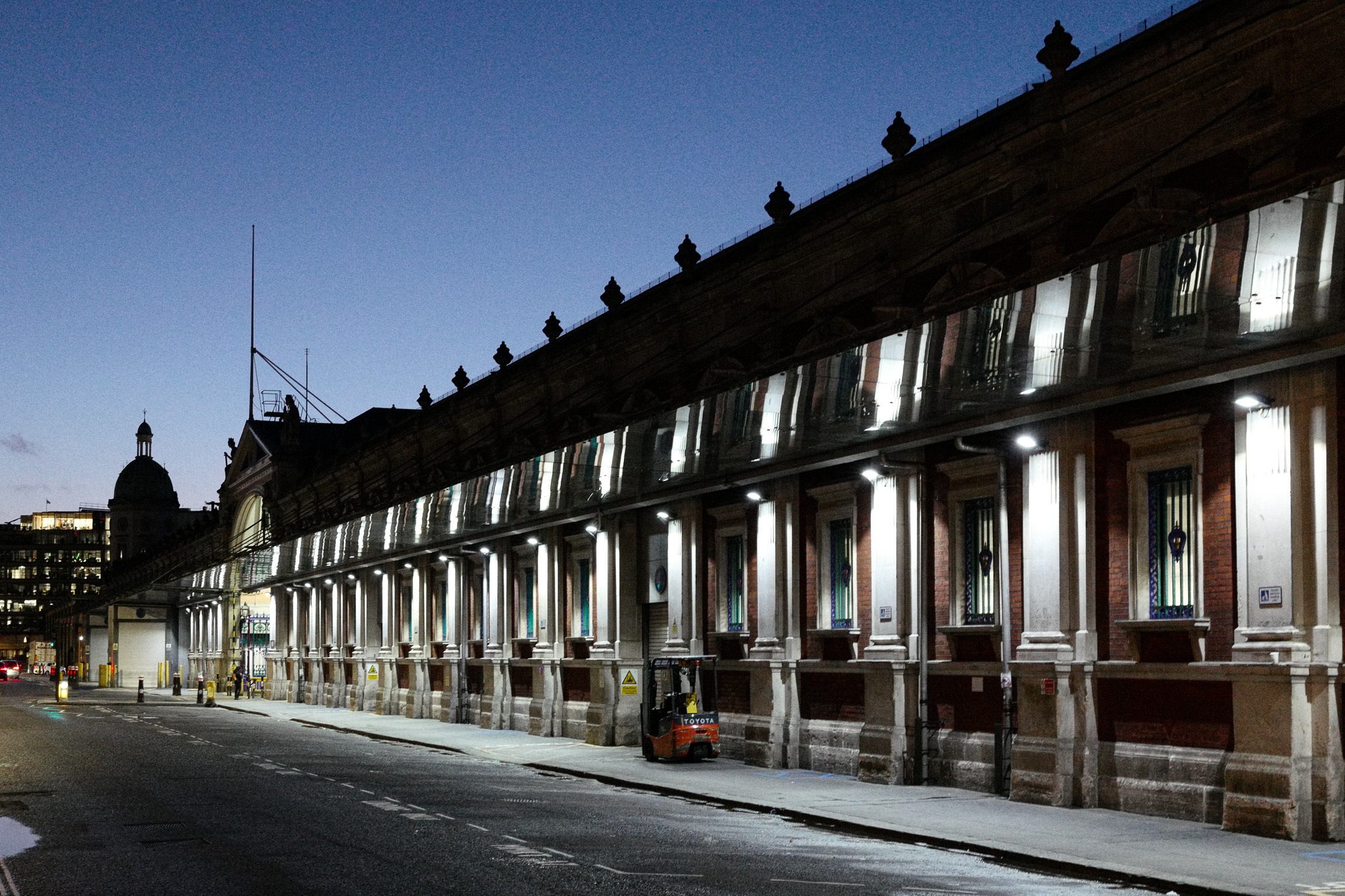
Smithfield Market, London SL, Sigma 35 1.2 ART
1 point
-
last of the year//50 apo
1 point
-
First day with the camera and after nearly 2 hours at the dentist I needed a glass of wine and a walk in Brockwell Park.1 point
-
X Vario.
1 point
-
Q2 / Hua Hin / Thailand1 point
-
Q2 / Hua Hin / Thailand1 point
-
Tiny spider just 10 mm. across. SL3, Sigma 105 mm. Macro.
1 point
-
SKYE- Talisker Bay
1 point
-
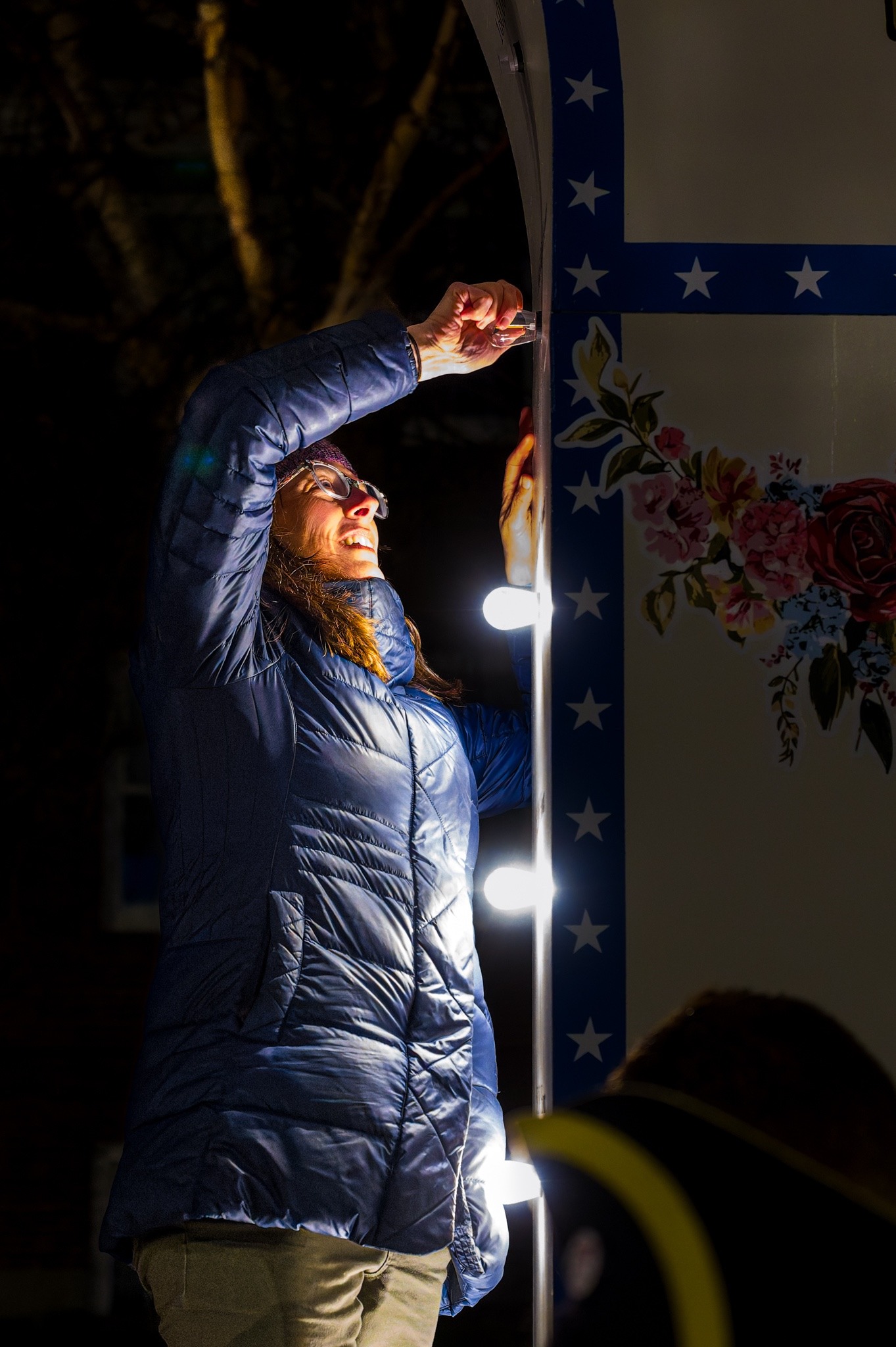
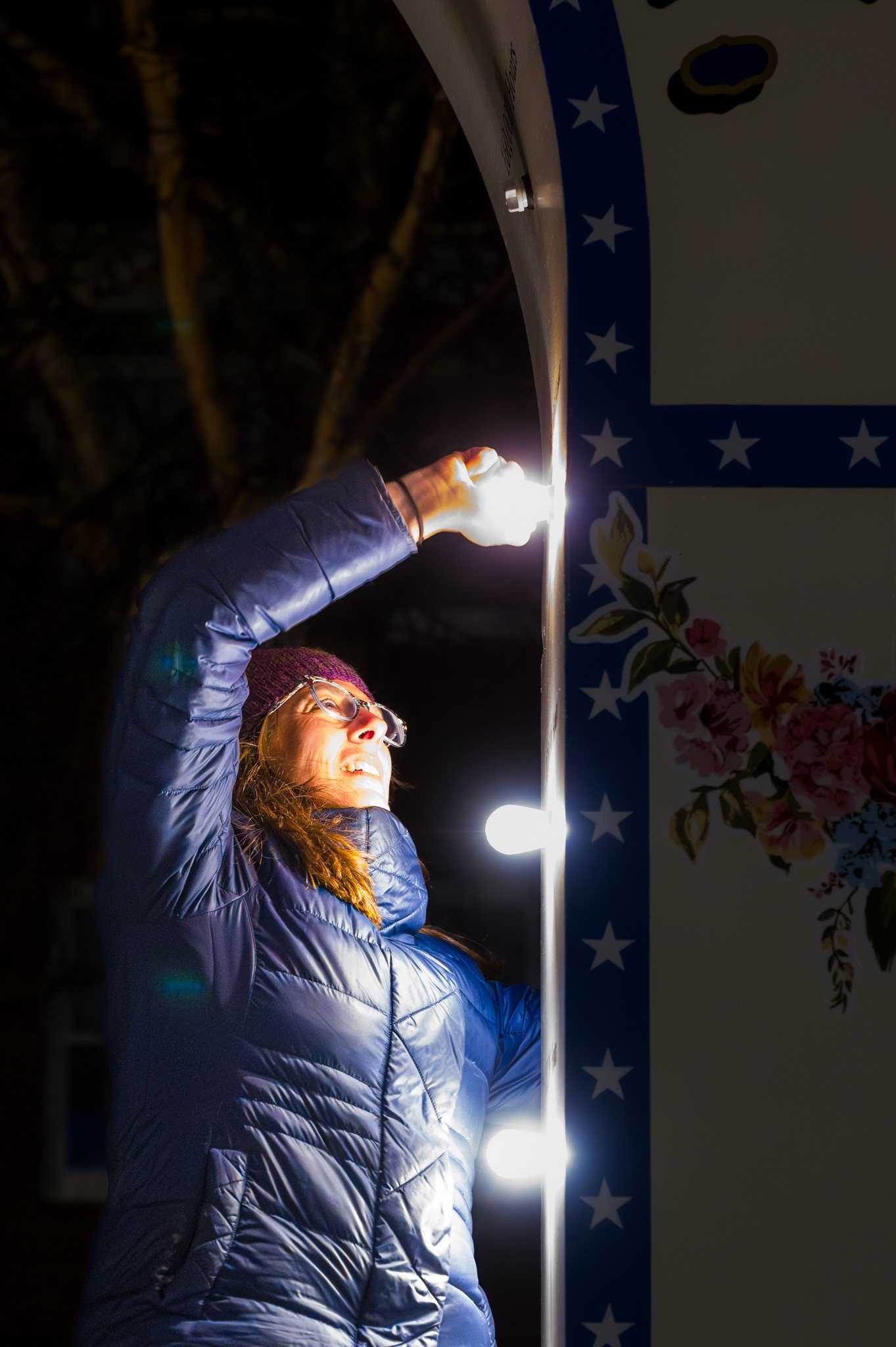
SL3+35 APO-SL Installing lightbulb.
1 point
-
I was certainly one of those that wished Leica would give an M EV1, but when I tried it, I quickly found it far more limiting than I’d imagined for certain types of photography. I think my wish for an EV1 was because I’ve been using the Visoflex a lot on the M11 recently for landscapes, where I liked it for fully accurate composition and use of histogram (and the focus was just infinity, so easy). But I’d failed to appreciate how different an EVF would be for non-infinity and more spontaneous subjects. If I stick with the M color cameras, I’m now thinking my M11 and Visoflex perhaps gives me the best of both worlds. Oddly enough, though, I think this experience has pushed me back over to the SL world. I’m now better appreciating it as a super flexible system for a multitude of subjects (EVF benefit for landscapes, but also pin-point accuracy of autofocus for other subjects like people). Bulkier for sure, especially the lenses (but with bulk comes better edge-to-edge sharpness IMHO). The weight of a SL3 body itself is only 50g more than my M11 + M handgrip + Visoflex, however. And lenses (for travel) like the DG DN 50 f2 Contemporary are also similar to M weight.1 point
-
Perhaps Leica was unable to overcome the difficulty of not being able to open and close the aperture automatically on a fully manual lens?1 point
-
the OP is an amazing photographer and a DOP/Director...amazing how people are arguing with his opinion without presenting their own photos as proof to the contrary [in their experience] 🤣1 point
-
M10, Nikon 300 f4
1 point
-
Jewl, Perhaps the M11-EV1 might be better for some and not for others. Some want to stick to the rangefinder experience, others prefer the EVF version that might be better for them. I am in the same boat with you. I see the advantages for the EV1 being better for longer focal lengths lenses and not using a Visoflex finder. Same goes for the very fast lenses for focus. In these two examples, I have found the EVF works quite well for me. But at the end of the day and after 50 years of the Leica experience with nearly all systems, it will be one of wanting vs needing a M11-EV1 compared to using what works now, a SL2-S or Visoflex on the M11-P. The good news, we have choices that only can be made by each photographer that will decide if "better" is better for them and their bank account. r/ Mark1 point
-
M10 + Voigtlander 35 mm f2 ultron Vietnam
1 point
-
Addis Abeba Ethiopia Leica M10 with Elmarit M 90mm f2.8
1 point
-
M10 + Summulix 35mm 1.4
1 point
-
M10-P - Super Elmar 21mm
1 point
-
M10 + 50mm 1.4 Vietnam
1 point
-
Aksum Tigray Ethiopia. 26/10 Leica M10 with Summilux 50mm f1.4 v1
1 point


Sep1720222.jpg.67f7e65a757148ba8effcccbc69c2cbc.jpg)






































(1).jpg.05188ea2aaa4463f665e8c3190d0c51f.jpg)





.jpg.94e3be962a2d2431b43b9021a794d13e.jpg)